


What Does EN 1082 Mean for Cut-Resistant Chainmail in Healthcare
What Does EN 1082 Mean for Cut-Resistant Chainmail in Healthcare?
When working in environments where sharp objects are a constant concernwhether in healthcare, industrial settings, or even food processingthe need for proper protective gear is non-negotiable. But if you’ve ever tried to purchase cut-resistant chainmail, you might have noticed the difficulty in determining which products are truly safe and durable. This is a common frustration I hear from buyers, collectors, and professionals alike.
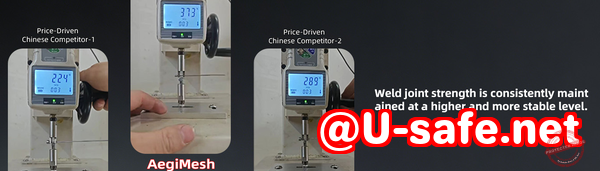
“Is this chainmail up to the task?” “How can I be sure this product meets industry standards?” These are the kinds of questions I’ve encountered time and again. The truth is, without the right inspection tools and knowledge, distinguishing high-quality chainmail from subpar imitations can be a real challenge.
In this article, I’ll take you through the essential steps to evaluate cut-resistant chainmail for safety, durability, and overall quality. Whether you’re looking to protect yourself in a healthcare environment, searching for reliable industrial safety gear, or just need advice on selecting quality chainmail for cosplay, I’ll guide you through the key aspects to check.
The Importance of Chainmail in Healthcare
Healthcare workers, especially in fields like surgery or trauma care, face a heightened risk of injury from sharp instruments. That’s where cut-resistant chainmail comes inoften used as an added layer of defense for hands, forearms, and even full-body protective suits. Chainmail is designed to protect against cuts, but only if it’s made to the proper standards.
One such standard is EN 1082, a European regulation that outlines the performance requirements for protective clothing, including chainmail, used in environments where sharp objects pose a threat. But what does EN 1082 really mean for you when evaluating chainmail, and why should you care?
What Does EN 1082 Mean?
EN 1082 is a European standard that applies specifically to protective wear designed to shield the body from cuts or punctures caused by knives or other sharp tools. This regulation sets guidelines for the level of protection chainmail should provide, ensuring it can withstand a certain degree of force from a blade.
When purchasing cut-resistant chainmail, particularly in industries like healthcare, it’s vital that the product is EN 1082 compliant. This means that the chainmail has been tested and certified to protect against cuts while still maintaining flexibility, comfort, and durability.
Here’s a quick breakdown of the key aspects EN 1082 covers:
-
Strength of the material: The chainmail must be strong enough to prevent cuts from sharp blades and tools commonly found in industrial and medical environments.
-
Design and construction: The weave pattern and welding must be tested for quality and resistance.
-
Size and fit: Chainmail garments must be designed to comfortably fit the wearer while still offering full protection.
Aegimesh Chainmail provides a perfect example of a high-quality product that adheres to these standards.
Common Pain Points When Evaluating Chainmail
When I first started working with chainmail, I had a hard time figuring out how to evaluate its quality. There were just too many products that looked good on the surface but lacked the durability or safety features I needed. Here are a few pain points I’ve seen people struggle with when trying to assess chainmail quality:
1. Welded Rings vs. Open Rings
One of the most common questions I get is how to tell the difference between welded rings and open rings. It’s easy to overlook, but it’s a crucial distinction. Welded rings are far superior because they ensure the rings stay closed and don’t unravel under stress. Open rings, on the other hand, are a cheaper option that can come apart, especially when exposed to frequent tension.
2. Choosing the Right Stainless Steel
Not all stainless steel is created equal. 304 stainless steel is commonly used for general applications but lacks the corrosion resistance needed for more demanding environments like healthcare. 316 stainless steel, on the other hand, is more resistant to rust and corrosion, making it ideal for environments where the chainmail will be exposed to moisture or harsh conditions.
3. Weak or Inconsistent Weaves
Another mistake I see often is people not evaluating the weave pattern closely enough. The European 4-in-1 weave, for example, is one of the most robust designs, but not all products use this pattern. Some low-quality products use looser weaves or a simple 2-in-1 or 3-in-1 pattern, which don’t provide adequate protection against sharp objects.
How to Inspect Chainmail Quality
Now that you understand the key pain points, let’s talk about how to actually inspect and verify chainmail quality.
Step 1: Check the Material Type
Begin by looking at the stainless steel grade. If you’re in healthcare or food processing, go for 316 stainless steel. For most other uses, 304 will work, but always ask about the material if you’re unsure.
Step 2: Inspect the Rings
Check if the rings are welded or open. Hold a ring and try to gently pull it apart. If it’s welded, you’ll notice that it’s solid and unmovable. If it’s an open ring, you may be able to pull the edges apart slightly.
Step 3: Measure the Wire Thickness and Ring Diameter
A high-quality chainmail will have a consistent wire thickness and an appropriate inner diameter for the weave pattern. Check to see that the rings are uniform in sizethis is essential for ensuring durability and performance.
Step 4: Assess the Weave Pattern
Look closely at the European 4-in-1 weave. This weave pattern is known for its strength and resistance to cuts. If the pattern appears loose or inconsistent, this could indicate lower quality.
Step 5: Test for Corrosion
This is especially important for chainmail used in industrial or healthcare environments where exposure to moisture is common. Look for any signs of corrosion on the rings or wire. Aged or rusted rings are a major red flag.
Step 6: Pull Test
Perform a simple pull test by gently tugging on a section of the chainmail. A high-quality product will be tough to stretch or pull apart, whereas a low-quality one may show signs of loosening or even break under minimal force.
Practical Tips for Chainmail Buyers
Here are some practical tips to keep in mind when buying chainmail:
-
Know your intended use: Industrial chainmail needs to be tougher than cosplay or decorative chainmail. Choose accordingly.
-
Look for certifications: A certified product will often have clear labeling about EN 1082 compliance.
-
Ask about warranty or return policies: If a manufacturer is confident in their product, they’ll offer a solid return or warranty policy.
-
Inspect the overall craftsmanship: Ensure that the weave is consistent, the rings are tightly closed, and there’s no visible wear or damage.
Conclusion: The Importance of Quality Chainmail
When it comes to cut-resistant chainmail, particularly in industries like healthcare or food processing, safety should always be your top priority. By following the inspection methods I’ve outlined here, you can confidently purchase high-quality chainmail that meets all necessary standards, ensuring both durability and safety.
I highly recommend that you perform these checks to ensure that any chainmail you purchase offers the protection you need. Whether you’re dealing with sharp instruments in a healthcare setting, working with food, or just looking for a durable costume piece, a little inspection can go a long way in avoiding unsafe products.
Learn more about identifying high-quality chainmail products: https://www.aegimesh.com/
Check out our detailed chainmail inspection guide today.
Frequently Asked Questions (FAQ)
How can I tell if a chainmail ring is welded or open?
Look closely at the ring. Welded rings are solid with no gap between the ends, while open rings will have a visible seam that can be pulled apart.
Which stainless steel grade is best for long-lasting chainmail?
For industrial and healthcare use, 316 stainless steel is the best choice due to its high resistance to corrosion. For less demanding applications, 304 stainless steel is sufficient.
How do I inspect the weave pattern for strength?
A strong chainmail will feature a tight, uniform European 4-in-1 weave. Check that the rings are interlocked consistently across the entire piece.
What are the signs of low-quality or unsafe chainmail?
Look for loose rings, uneven weave patterns, visible rust, or poor craftsmanship. These are clear indicators that the chainmail is not suitable for protection.
Can decorative chainmail be used for protective purposes?
While decorative chainmail may look appealing, it is usually not as durable or safe as industrial-grade chainmail, which is specifically designed for cut resistance.
How do I choose the right chainmail for industrial vs. cosplay use?
For industrial use, prioritize strength, corrosion resistance, and EN 1082 certification. For cosplay, aesthetic quality may take precedence, but you should still ensure durability for comfort and wearability.
Tags or Keywords
-
chainmail quality
-
welded rings
-
stainless steel chainmail
-
cut-resistant chainmail
-
chainmail inspection
-
European 4-in-1 weave
-
chainmail durability




 한국어
한국어  Русский
  Deutsch
  العربية