


The Pros and Cons of Steel Chainmail Armor
The Pros and Cons of Steel Chainmail Armor
When I first started buying chainmail, I remember the overwhelming feeling of uncertainty. There are so many options out there, from decorative pieces for cosplay to protective gear for industrial use. As a beginner, it wasn’t always clear how to tell which pieces were high-quality and which ones were just pretty but flimsy imitations. I often found myself asking: “How can I make sure this chainmail is durable enough for real protection?” And that’s a question a lot of people, from collectors to professionals, struggle with too.
If you’ve been in this situation, you know the risks of buying low-quality chainmail. Whether you’re using it for protection, cosplay, or as a historical replica, the last thing you want is a weak, unsafe product. Lucky for you, there are clear ways to evaluate chainmail quality, and I’ll guide you through them. By the end of this post, you’ll have the knowledge to confidently pick out high-quality steel chainmail, no matter your purpose.
Understanding Chainmail: The Basics
Steel chainmail, particularly stainless steel, is one of the most durable materials used in crafting protective armor, historical replicas, and even food processing garments. But all chainmail isn’t created equal. Low-quality products might look similar to the real deal, but they often fall short in terms of strength, durability, and safety.
When evaluating chainmail, the first step is understanding the core components: the rings, wire thickness, welding, and weave pattern. These elements are crucial to whether the chainmail will perform as expectedwhether that’s protecting your hands from sharp blades in a kitchen or offering historical authenticity for a cosplay event.
Pain Points When Choosing Chainmail
There are a few common issues I’ve encountered and that many buyers face when trying to pick out the best chainmail:
-
Welded vs. Open Rings: It’s difficult to tell the difference between welded and open rings at first glance. Open rings can compromise the strength and durability of chainmail, which is a huge concern when safety is at stake.
-
Stainless Steel Grade Confusion: Not all stainless steel is equal. A product made with 304 stainless steel might look shiny, but it might not offer the same corrosion resistance or strength as a product made from 316 stainless steel. This difference is crucial for industrial use or for armor that needs to withstand harsh conditions.
-
Weak or Inconsistent Weaves: The weave pattern is what gives chainmail its unique flexibility and strength. A poor weave will not hold up under pressure and can lead to breakages or tears, especially in products like cut-resistant gloves or heavy armor.
How to Inspect Chainmail Quality: A Step-by-Step Guide
With those pain points in mind, let’s dive into how to inspect chainmail quality. Here’s how I go about ensuring my purchases are durable, safe, and effective.
1. Check the Material
This is a no-brainer, but it’s worth stressing. Make sure you know which type of stainless steel the chainmail is made from. I always check for 304 stainless steel for general use and 316 stainless steel for anything that will face harsh elements or corrosive environments. Stainless steel offers excellent resistance to rust, but 316 has a slight edge when it comes to corrosion resistance, making it ideal for industrial or food processing use.
2. Welded vs. Open Rings
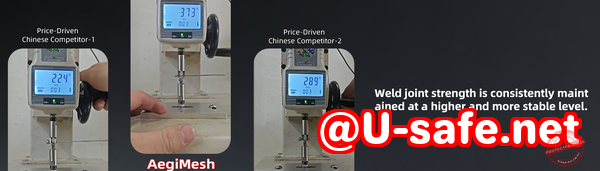
A major red flag for me is an open ring. Open rings can come apart over time, especially under stress. Always check for welded rings, as they are stronger and less likely to fail. A quick way to check is to look at the ends of each ring. If they are flush with no gap, they are welded. If there’s a visible seam, then you’re looking at open rings.
3. Wire Thickness and Ring Diameter
The thickness of the wire and the inner diameter of the rings are key factors that determine the strength of chainmail. The wire should feel sturdy but not flimsy, and the diameter should be consistent. If the rings are too small or too large, the weave pattern can become loose, leading to weakness. I recommend looking for a thicker wire and smaller ring diameter for stronger, more durable chainmail.
4. Inspect the Weave Pattern
When it comes to weave patterns, the European 4-in-1 weave is a classic, widely recognized for its strength and versatility. This weave ensures that each ring interlocks four other rings, providing extra durability. Make sure the weave looks tight and uniform, with no visible gaps. A sloppy weave means the chainmail might not offer the protection you expect, especially in industrial or high-stakes scenarios.
Why Quality Matters: Real-World Scenarios
Knowing how to inspect chainmail isn’t just about getting the best bang for your buck; it’s about ensuring your safety and the longevity of your products. Here’s a quick rundown of some real-world scenarios where quality really matters:
-
Industrial Use: In industries like food processing or construction, cut-resistant chainmail can be a lifesaver. Low-quality products, however, might not hold up under pressure, exposing workers to cuts or injuries. I’ve seen many people overlook the wire thickness or ring welding, leading to equipment failures. Don’t let that happen to you.
-
Cosplay and Historical Replicas: For cosplay or historical reenactments, authenticity is key. Using low-quality, poorly made chainmail can ruin an entire costume. Even if it’s just for looks, I always opt for pieces with European 4-in-1 weaves to ensure they match historical accuracy and durability.
-
Decorative Chainmail: While decorative chainmail may not be put to the same test as industrial pieces, it still needs to be durable for display purposes. It’s easy to overlook the quality of the rings and weave when it’s not intended for real-world use, but poor craftsmanship can lead to damage, especially if you intend to wear it or display it in a high-traffic area.
Practical Tips for Evaluating Chainmail
When inspecting chainmail, it helps to keep a few simple tips in mind:
-
Pull Test: Gently pull on a section of the chainmail. If the rings are welded, they shouldn’t budge. Open rings, however, will show movement or give under pressure.
-
Look for Corrosion: Check for any visible rust or discoloration, particularly if you’re looking at chainmail made from lower-grade steel. Stainless steel should maintain its shine and resistance to rust.
-
Check for Craftsmanship: If the rings look uneven or poorly welded, chances are the entire product is poorly made. Quality craftsmanship is essential for ensuring longevity and safety.
Conclusion: The Importance of Quality Chainmail
When it comes to buying steel chainmailwhether for industrial, cosplay, or protective purposesthe quality of the material is absolutely essential. I highly recommend following these inspection steps to ensure your purchase meets safety and durability standards. Not only will it save you from making an unsafe or costly mistake, but it will also help you find the right chainmail for your specific needs.
Learn more about identifying high-quality chainmail products by visiting Aegimesh Chainmail Inspection Guide.
Frequently Asked Questions
-
How can I tell if a chainmail ring is welded or open?
Look for a visible seam. If the ends of the ring are flush and welded together, it’s a welded ring. Open rings will show a gap.
-
Which stainless steel grade is best for long-lasting chainmail?
316 stainless steel is best for harsh environments, while 304 stainless steel is sufficient for general use. Both are corrosion-resistant, but 316 offers better protection against corrosion. -
How do I inspect the weave pattern for strength?
Check for tight, uniform interlocking of the rings. A European 4-in-1 weave offers the most strength and durability, and it should be consistent without gaps.
-
What are the signs of low-quality or unsafe chainmail?
Look for open rings, poor welds, uneven wire thickness, or irregular weave patterns. These are all signs of low-quality chainmail that could fail under pressure.
-
Can decorative chainmail be used for protective purposes?
Decorative chainmail is often weaker and not designed for protection. Make sure it has proper welded rings and a durable weave if you plan to use it for protection.
-
How do I choose the right chainmail for industrial vs. cosplay use?
For industrial use, look for thicker wire, smaller rings, and high-quality stainless steel like 316. For cosplay, focus on accuracy, comfort, and appearance, but also ensure the product is durable for wear and display.




 한국어
한국어  Русский
  Deutsch
  العربية