


The Best Materials for Mesh Boning Aprons Why Ring Mesh Reigns
The Best Materials for Mesh Boning Aprons: Why Ring Mesh Reigns
When you’re out shopping for a chainmail productwhether it’s for industrial use, cosplay, or historical reenactmentsyou might find yourself wondering, How can I tell if this chainmail is actually good quality? It’s a question that many buyers face, and honestly, it’s not always easy to find the answer. Sometimes, the shiny allure of a product might mask a deeper issue with its durability or safety.
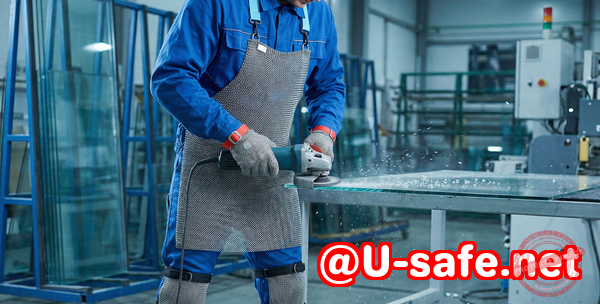
Chainmail is an investment, whether you’re using it for food processing safety or for a costume that needs to hold up to a lot of wear and tear. But with so many options out there, how do you know if what you’re buying is going to perform as expected, or if it’s just another low-quality imitation?
Let me walk you through how to tell the difference between high-quality and low-quality chainmailso you can avoid any unpleasant surprises and make an informed decision on your next purchase.
Common Pitfalls When Choosing Chainmail
When it comes to chainmail, there are a few key factors to keep in mind. Let’s break down the most common pain points I see from buyers, so you can easily avoid them in your search for the right product.
1. Distinguishing Welded Rings from Open Rings
This one is huge, especially if you’re looking for chainmail that can provide actual protection, like for industrial use. There are two main types of rings: welded and open. Welded rings are permanently closed, making them stronger and more durable. Open rings, on the other hand, can slip apart more easily, leaving gaps in the weave and significantly reducing its protective qualities.
The problem is that many chainmail sellers don’t make it clear which type of ring they use. If you need your chainmail for safety (like in food processing), open rings just won’t cut it. They might look fine at first glance, but they won’t last under heavy use or intense pressure.
2. Understanding Stainless Steel Grades
When it comes to chainmail, the grade of stainless steel used is crucial for its longevity and resistance to corrosion. A lot of products claim to be “stainless steel,” but they don’t always specify which grade they’re using. The two most common grades in chainmail are 304 and 316 stainless steel.
-
304 stainless steel is the most common. It’s rust-resistant but may still show signs of wear and corrosion over time, especially in food handling or wet environments.
-
316 stainless steel is much more resistant to corrosion and rust, making it the best choice for food processing or any environment where moisture and chemicals might be involved.
If you’re looking for chainmail that will stand the test of time, particularly in demanding environments, 316 stainless steel is definitely the way to go.
3. Weave Patterns and Wire Thickness
The weave pattern also plays a huge role in the quality of your chainmail. The most common pattern for durability and strength is the European 4-in-1 weave, where each ring interlocks with four others. This gives the weave a strong, dense structure that’s great for withstanding cuts and impacts.
Another factor to consider is the wire thickness. If the wire is too thin, the chainmail will be fragile and may break under pressure. If it’s too thick, it might be stiff and uncomfortable to wear. Getting the right balance is key.
How to Inspect and Verify Chainmail Quality
Here’s the good news: with a little guidance, it’s easy to evaluate chainmail quality before you make a purchase. I’ll break it down into a few simple steps you can follow to ensure you’re buying a product that will live up to its promises.
1. Check the Material: 304 vs 316 Stainless Steel
-
Look for product details: The best manufacturers will list the type of stainless steel they use. If the seller doesn’t specify, be cautious.
-
Ask questions: If you’re unsure, don’t hesitate to ask about the steel grade. 316 stainless steel is more expensive but worth it for longevity, especially if you’ll be using it in environments that might lead to corrosion.
2. Inspect the Rings: Welded vs Open
-
Welded rings are essential for durability and protection. Look closely at the product photos or ask the seller how the rings are made. You want to avoid open rings for any practical, protective uses.
-
Pull test: If possible, perform a simple pull test. Gently tug on a ring (or two) to see if they pull apart. Welded rings won’t budge, but open rings might.
3. Examine the Weave Pattern
-
The European 4-in-1 weave should be dense and uniform. If there are gaps or irregularities in the weave, that’s a red flag.
-
Look at the overall structure: Is the weave tight and consistent, or are there noticeable loose spots? A high-quality chainmail product will have an even weave with no slack.
4. Wire Thickness and Ring Diameter
-
The wire should be thick enough to provide strength but not so thick that it makes the chainmail stiff and hard to move in.
-
Check for uniformity: All the rings should be the same thickness and size. Variations could indicate poor craftsmanship.
Why Proper Chainmail Inspection Matters
So, why should you care about inspecting every little detail? Well, the stakes are pretty high, depending on your intended use. Here’s why it’s worth the effort:
-
Safety First: If you’re using chainmail for industrial applications (like food processing or cut protection), a low-quality product could compromise your safety. You don’t want to take chances with something that might break or wear out too quickly.
-
Durability: Decorative chainmail for cosplay or historical replicas needs to look great, but it should also hold up to wear and tear. No one wants to invest in something that falls apart after one event.
-
Money-Saving: By inspecting chainmail quality upfront, you avoid purchasing something that doesn’t meet your expectations. This prevents wasted money and frustration.
Conclusion: Make Smart Chainmail Purchases
After all of this, I highly recommend following these steps to ensure that your chainmail purchase meets safety and durability standards. Whether you’re buying chainmail for industrial use, cosplay, or a historical display, a little inspection goes a long way in ensuring quality.
Remember to check for welded rings, the right stainless steel grade, a strong and consistent weave, and appropriate wire thickness. If you follow these guidelines, you’ll avoid poor-quality products and make sure you’re investing in chainmail that’s built to last.
Learn more about identifying high-quality chainmail products: Aegimesh Chainmail Inspection Guide
常见问题解答
How can I tell if a chainmail ring is welded or open?
-
Look closely at the rings. Welded rings have a seamless, closed loop. Open rings will have a noticeable gap that can be pulled apart.
Which stainless steel grade is best for long-lasting chainmail?
-
For durability and corrosion resistance, 316 stainless steel is the best choice. It’s ideal for industrial and food-related uses.
How do I inspect the weave pattern for strength?
-
Ensure the weave is tight and even. The European 4-in-1 weave should be uniform, without any loose or irregular spots.
What are the signs of low-quality or unsafe chainmail?
-
Poorly welded rings, inconsistent weave patterns, thin wire, and the absence of clear material specifications are all red flags.
Can decorative chainmail be used for protective purposes?
-
Decorative chainmail may look good but is usually not strong enough for industrial or cut-resistant purposes. Always check the ring type and material.
How do I choose the right chainmail for industrial vs cosplay use?
-
For industrial use, go for welded rings, thick wire, and 316 stainless steel. For cosplay, focus on comfort and appearance, but ensure the rings are welded for durability.
Tags or Keywords
chainmail quality, welded rings, stainless steel chainmail, cut-resistant chainmail, chainmail inspection, European 4-in-1 weave




 한국어
한국어  Русский
  Deutsch
  العربية