


The Art of Chainmail
The Art of Chainmail: How to Identify High-Quality Products for Safety, Durability, and Professional Use
When you think of chainmail, what comes to mind? Maybe medieval knights, elaborate cosplay costumes, or even protective gear for butchers and industrial workers. In every case, quality is key. Whether you’re purchasing chainmail for protection, display, or a specific task, knowing how to identify top-tier products is essential. Unfortunately, chainmail is one of those items where the difference between quality and a poor purchase can be subtle but significant.
As someone who has spent plenty of time navigating the world of chainmailwhether for protection in the workplace, cosplay events, or historical reenactmentsI understand the struggle of distinguishing a well-made, reliable product from a flimsy, low-quality one. And I know it’s frustrating to realize you’ve spent money on something that can’t stand up to your needs. That’s why I’m here to guide you through identifying high-quality chainmail productsso you can make informed, confident decisions. Let’s dive in.
The Common Struggles with Buying Chainmail
Before we get into the how-to of chainmail inspections, let’s first talk about the most common mistakes people make when evaluating these products. I see it time and time again, and it’s not just novices making these errorsit’s experienced buyers, too.
1. Mistaking Welded Rings for Open Rings
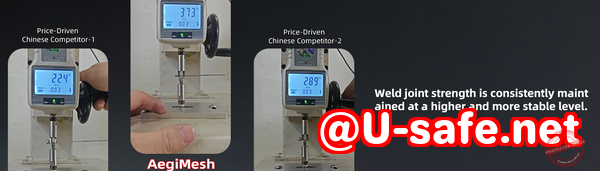
If you’re buying chainmail for protection or durability, this is one of the biggest mistakes you can make. Welded rings are far stronger than open rings, especially when used in environments where the chainmail will face wear and tear. But the difference is subtle. Open rings, which are simply twisted and not welded shut, can break under pressure or use, leading to gaps in your protection.
2. Confusion Over Stainless Steel Grades
Not all stainless steel is made equal. Grades 304 and 316 are the most common in chainmail products, but they have very different properties. The 316-grade steel, for example, is more resistant to corrosion and is often a better choice for food processing or industrial environments. But understanding this difference can be tricky for those unfamiliar with material properties.
3. Weak Weaves That Won’t Last
The strength of the weave itself is another area that can be hard to assess. Some manufacturers might cut corners by using thinner wire or less intricate weaves. These flaws often aren’t apparent at first glance, but over time, they can significantly impact the durability and effectiveness of the chainmail. A weak weave could mean the material starts to unravel or simply doesn’t provide the level of protection you need.
Enter Aegimesh Chainmail: Your Ultimate Guide to Chainmail Quality
Fortunately, there’s a way to avoid these pitfallsand it’s not as complicated as it might seem. By following a few simple steps to inspect and evaluate your chainmail, you can ensure that you’re getting a high-quality product. I highly recommend checking out Aegimesh Chainmail’s inspection guideit’s the perfect resource for helping buyers, collectors, and industrial users identify high-quality chainmail products.
Aegimesh’s approach to chainmail evaluation focuses on the most important aspects: material type, welds, wire thickness, and weave patterns. Let’s break these down further to make sure you know exactly what to look for.
1. Checking the Material: Stainless Steel Grades 304 vs 316
The first thing you’ll want to evaluate when buying chainmail is the material. There’s a lot of talk about stainless steel, but not all stainless steel is equal.
-
Grade 304: This is the more common grade of stainless steel. While it’s rust-resistant and fairly durable, it’s not as resistant to corrosion as Grade 316. Grade 304 is often used in cosplay or decorative chainmail where exposure to moisture or harsh environments isn’t a concern.
-
Grade 316: If you’re using chainmail for industrial purposes, food handling, or anywhere it will be exposed to moisture and wear (think butchers, fishmongers, or construction), Grade 316 is the way to go. It has extra resistance to corrosion, making it more durable and long-lasting in challenging environments.
When buying chainmail, always ask which grade of stainless steel is being used. It could make the difference between a product that lasts for years and one that rusts after a few months.
2. Inspecting the Rings: Welded vs. Open
Next up: the rings themselves. Chainmail rings are typically made from wire that is either welded shut or left open. And this is a crucial distinction when evaluating the durability of your chainmail.
-
Welded Rings: As the name suggests, welded rings are rings that have been fused at the ends to form a continuous loop. They are significantly stronger and more durable than open rings, making them ideal for protective chainmail in industrial or combat scenarios.
-
Open Rings: Open rings are rings that have simply been bent into shape and are not welded. They’re typically used for decorative purposes or in situations where strength and durability aren’t a concern.
So, how do you tell the difference? It’s not always easy to spot, but you can perform a simple pull test. Gently pull on the rings in a discreet spot. If you notice any give or movement at the ring joints, you may be dealing with open rings. Welded rings won’t move at all.
3. Evaluating the Weave: Strength and Durability
The weave pattern is another important factor in determining the quality of chainmail. There are several types of weaves, but the European 4-in-1 weave is one of the most popular and reliable when it comes to durability.
In a European 4-in-1 weave, each ring is linked to four others, which creates a dense, tight structure. This structure maximizes strength, providing excellent protection without sacrificing flexibility. A properly woven chainmail should feel smooth, with no visible gaps between the rings.
To test the strength of a weave, give the chainmail a gentle tug and feel for any areas that may be looser or more flexible than others. A weak or poorly constructed weave could come apart over time, so it’s essential to check for uniformity.
4. Assessing Ring Thickness and Inner Diameter
The thickness of the wire and the inner diameter of the rings also affect the quality of chainmail. A thicker wire generally means stronger, more durable chainmail. But you don’t want it too thick; it should still be flexible enough for the intended use.
Additionally, the inner diameter of the rings matters too. If the rings are too large, the chainmail may not provide adequate protection. If the rings are too small, it could be difficult to move or wear comfortably.
Why Proper Inspection Matters
By now, it should be clear that proper chainmail inspection is essential for ensuring both safety and durability. Here are a few reasons why taking the time to evaluate chainmail properly will save you in the long run:
-
Safety: When buying chainmail for protective purposeslike cut-resistant gloves for industrial use or food processingthe last thing you want is something that will fall apart. Ensuring you have welded rings, the right steel grade, and a strong weave will keep you safe and avoid unnecessary accidents.
-
Durability: Quality chainmail lasts. Low-quality products, on the other hand, deteriorate faster and may require frequent replacement. By inspecting the material, rings, and weave, you can avoid buying a product that will need replacing after just a few months.
-
Cost Savings: While high-quality chainmail might cost more upfront, it’s an investment. You’ll save money by avoiding frequent replacements and repairs. Plus, you’ll avoid the potential safety risks that come with using low-quality chainmail in demanding situations.
How to Choose the Right Chainmail for Your Needs
So now that you know how to inspect chainmail, the next step is understanding which type is right for you. Here are some tips for selecting the best chainmail based on your specific needs:
-
Industrial Use: For industries where protection is a priority, look for chainmail made from 316 stainless steel with welded rings. A European 4-in-1 weave will offer the best protection.
-
Food Processing: Again, 316 stainless steel is the best choice. Chainmail aprons, gloves, or sleeves made from this material are essential for protecting against cuts in the food industry.
-
Cosplay or Decorative Use: If you’re using chainmail for cosplay or as a display piece, 304 stainless steel and open rings may be sufficient. These products won’t need to withstand as much wear and tear.
-
Historical Replicas and Collectibles: When creating historical replicas, 304 or 316 stainless steel works well, but focus on achieving the right aesthetic with the proper weave. Look for a weave pattern that matches the historical period you’re trying to replicate.
Conclusion: Trust the Process to Ensure Quality Chainmail
In the end, understanding what to look for when buying chainmail can make all the difference in your experience with the product. By following the simple steps I’ve outlinedinspecting the material, checking the welds, evaluating the weave, and testing the durabilityyou can ensure that any chainmail you buy meets both your safety and aesthetic needs.
I highly recommend following these steps to ensure any chainmail purchase meets safety and durability standards. Whether you’re purchasing chainmail for industrial use, cosplay, or historical reenactments, these inspection tips will help you choose the best product.
If you’re looking for high-quality, durable chainmail products that you can rely on, Aegimesh Chainmail offers a wide range of options for all needs. Check out our detailed **chain
Explore Aegimesh Chainmail Software at: https://www.aegimesh.com/




 한국어
한국어  Русский
  Deutsch
  العربية