


The Advantages of EN 1082-Certified Chainmail in Dangerous Work Environments
The Advantages of EN 1082-Certified Chainmail in Dangerous Work Environments
When working in high-risk environments, where safety is of the utmost importance, having reliable protective gear can make all the difference. One such piece of equipment that often gets overlooked but plays a crucial role in safeguarding workers is chainmail. But how do you know if the chainmail you’re investing in will truly stand up to the challenges? In particular, how can you ensure that the chainmail you’re purchasing is of the highest quality, designed to protect you in even the most dangerous work settings? In this article, I’ll guide you through the advantages of EN 1082-certified chainmail and how to evaluate its quality, durability, and suitability for your needs.
Why EN 1082 Certification Matters in Dangerous Work Environments
Chainmail is a time-tested solution for protecting against cuts and abrasions, but not all chainmail is created equal. The EN 1082 certification, which is an international standard for protective clothing, ensures that the chainmail meets specific requirements for safety, durability, and overall quality. EN 1082-certified chainmail is designed to withstand extreme conditions, making it an ideal choice for industries that demand the highest level of protection, such as manufacturing, food processing, and other hazardous work environments.
Real-Life Example: A Day in the Life of a Metalworker
Take, for example, the case of Joe, a metalworker who spends his days operating industrial machinery. One day, Joe wasn’t wearing his protective chainmail as he should have been. Unfortunately, he slipped and got a serious cut from a jagged piece of steel, causing significant downtime and medical expenses. Had he been wearing EN 1082-certified chainmail, it’s likely that the injury could have been avoided. That’s the power of quality chainmail protectionespecially when it’s certified to meet rigorous safety standards like EN 1082.
Identifying High-Quality Chainmail: What to Look For
When you’re evaluating chainmail for safety, there are several factors you need to consider. The goal is to avoid purchasing low-quality, ineffective products that won’t protect you when it matters most. Here’s what you should focus on:
1. Material Type: Stainless Steel vs. Other Metals
One of the most important aspects to consider when evaluating chainmail is the material. For long-lasting protection, stainless steel is the top choice. There are two common types of stainless steel used in chainmail304 and 316.
-
304 Stainless Steel: This is a standard stainless steel grade and is resistant to corrosion in most environments. It’s great for general use but might not be as effective in extreme conditions.
-
316 Stainless Steel: This grade is more resistant to corrosion, especially in high-moisture or saline environments. If you’re working in a food processing plant or an area with exposure to saltwater, 316 stainless steel chainmail is your best bet.
The higher the grade of stainless steel, the longer your chainmail will last, and the more protection it can offer.
2. Welded Rings vs. Open Rings
Another important factor to consider is the type of rings used in the chainmail. There are two types of ringswelded and openand they differ significantly in strength and durability.
-
Welded Rings: Welded rings are fused together at the seams, providing a much stronger bond. This is essential for chainmail used in high-risk environments, as welded rings are less likely to separate under pressure.
-
Open Rings: Open rings are simply bent into shape, leaving the seam exposed. While they can still provide some protection, they’re not as strong or durable as welded rings, making them less reliable for industrial use.
Aegimesh Chainmail is constructed using high-quality welded rings, ensuring maximum strength and durability for even the toughest work environments.
3. Weave Patterns: European 4-in-1 for Maximum Strength
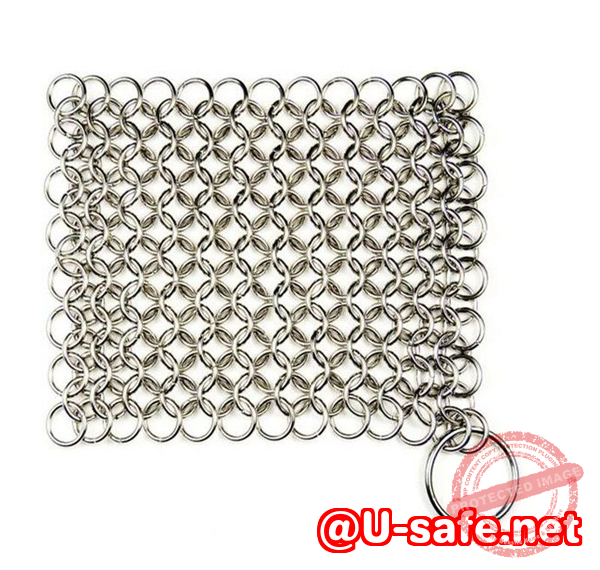
The weave pattern of the chainmail plays a huge role in its overall strength and flexibility. One of the most common and reliable weave patterns is the European 4-in-1 weave. In this pattern, each ring is connected to four others, providing optimal protection against cuts.
For industrial use, the European 4-in-1 weave is often considered the gold standard. It’s durable, flexible, and provides the highest level of protection for workers in hazardous environments.
4. Wire Thickness and Ring Diameter
The thickness of the wire used in the chainmail, as well as the diameter of the rings, is also an essential factor. Thicker wire and smaller ring diameters provide better protection against sharp objects. The trade-off is that they may make the chainmail less flexible, so it’s important to balance protection and comfort based on the specific needs of your work environment.
Why Choose Aegimesh Chainmail?
At Aegimesh, we understand that safety comes first. That’s why our chainmail products are designed to meet the highest standards of quality and durability. With our EN 1082-certified chainmail, you get:
-
Welded Rings: Our chainmail features welded rings, ensuring superior strength and longevity.
-
304 and 316 Stainless Steel: Choose from two stainless steel grades, depending on your environment and specific protection needs.
-
European 4-in-1 Weave: Our chainmail is woven in the European 4-in-1 pattern, offering maximum protection.
-
Easy Inspection: Our guide helps you evaluate the quality of chainmail products so you can make an informed choice.
By following our step-by-step inspection methods, you can easily identify high-quality chainmail and avoid low-quality imitations that won’t offer the protection you need.
Practical Tips for Inspecting Chainmail
Here are a few simple tips that will help you evaluate chainmail before making a purchase:
1. Pull Test: Gently pull on the rings to check for any movement. If the rings move or separate easily, it’s a sign of poor-quality construction.
2. Corrosion Inspection: Look for any signs of rust or corrosion, particularly around the welds. High-quality chainmail should resist rust even in moist environments.
3. Check the Weave: Make sure the weave is consistent and tight. Any loose or inconsistent rings could indicate a weak point in the protection.
4. Wire Thickness: Inspect the wire thickness to ensure it’s appropriate for your intended use. Thicker wires offer better protection but may reduce flexibility.
Conclusion: Make Informed Chainmail Purchases
In conclusion, purchasing high-quality, EN 1082-certified chainmail is essential for ensuring your safety in dangerous work environments. By understanding the materials, ring types, and weave patterns, you can confidently evaluate chainmail products and choose the one that will provide the best protection. I highly recommend following these steps to ensure any chainmail purchase meets safety and durability standards.
For more information on identifying high-quality chainmail products, be sure to check out our detailed chainmail inspection guide.
Frequently Asked Questions (FAQ)
-
How can I tell if a chainmail ring is welded or open?
A welded ring will have a fused seam that can be clearly seen, while an open ring will have a visible gap where the wire is bent.
-
Which stainless steel grade is best for long-lasting chainmail?
316 stainless steel is the best choice for environments exposed to moisture or harsh chemicals, while 304 stainless steel is suitable for general use.
-
How do I inspect the weave pattern for strength?
Check if the chainmail is woven in a consistent pattern, such as European 4-in-1. This weave provides the most durability and protection.
-
What are the signs of low-quality or unsafe chainmail?
Look for loose rings, rust, inconsistent weave patterns, or rings that easily separate during tests.
-
Can decorative chainmail be used for protective purposes?
While decorative chainmail may look good, it often lacks the durability and strength required for protection in dangerous environments.
-
How do I choose the right chainmail for industrial vs. cosplay use?
For industrial use, focus on durability, welded rings, and stainless steel grades like 316. For cosplay, a lighter, more flexible weave like European 4-in-1 should suffice.
Tags or Keywords
-
Chainmail quality
-
Welded rings
-
Stainless steel chainmail
-
Cut-resistant chainmail
-
Chainmail inspection
-
European 4-in-1 weave
-
Chainmail durability





 한국어
한국어  Русский
  Deutsch
  العربية