


Steel Metal Chainmail in Modern Industrial ProtectionHow
Steel Metal Chainmail in Modern Industrial Protection
When it comes to protection, few materials have the legacy and reputation of steel chainmail. Whether it’s for industrial use, food processing, cosplay, or historical reenactments, chainmail plays a crucial role in safeguarding people and preserving craftsmanship. However, with so many options on the market, it can be difficult to distinguish between high-quality, durable products and low-quality, flimsy ones. If you’ve ever struggled to determine which chainmail products are truly worth your investment, you’re not alone.
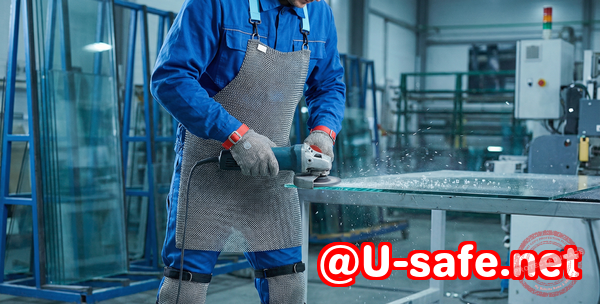
Many buyers, whether they’re in the market for industrial protection or a decorative piece, often find themselves confused by varying product quality, material choices, and construction methods. In this post, we’ll walk through the essential steps for inspecting steel chainmail to ensure that your purchase meets safety standards, durability requirements, and aesthetic expectations. With the right tools and knowledge, you’ll be able to make an informed decision every time.
The Struggle to Identify High-Quality Chainmail
Imagine this: You’ve been shopping for chainmail to use as protective gear in an industrial setting. You’ve read countless reviews, compared prices, and finally found something that seems promising. However, upon receiving the product, you realize that the rings are flimsy, the weave is inconsistent, and the material doesn’t seem as durable as advertised. Unfortunately, this scenario isn’t uncommon.
So how can you avoid buying low-quality, potentially dangerous chainmail? The key lies in understanding what makes chainmail high-quality and how to inspect it properly. In this guide, we’ll break down everything you need to know to evaluate chainmail like a pro.
Common Pain Points When Evaluating Chainmail
1. Welded vs. Open Rings
One of the first distinctions you’ll encounter is whether the rings are welded or open. Open rings are less durable and can easily break apart under pressure, while welded rings provide much more strength and longevity.
Solution: Look for signs of welding on the rings. A well-done weld should be smooth, clean, and without any visible gaps or breaks. If you can pull the rings apart by hand or with little force, it’s a clear sign that they are open rings.
2. Uncertainty About Stainless Steel Grades
Not all stainless steel is created equal. The grade of stainless steel used in chainmail can significantly affect its strength, corrosion resistance, and overall durability. The two most common types used in chainmail are 304 stainless steel and 316 stainless steel.
Solution: If you’re purchasing chainmail for industrial purposes or any situation that involves exposure to moisture, salt, or chemicals, opt for 316 stainless steel, which offers superior corrosion resistance. For general use, 304 stainless steel is often sufficient.
3. Weak or Inconsistent Weave Patterns
The weave pattern is one of the most critical aspects of chainmail construction. While it may seem like a minor detail, the type of weave can impact the overall strength and durability of the product. European 4-in-1 is one of the most common and strongest patterns used in chainmail.
Solution: Examine the chainmail closely to check for a consistent, tight weave. A loose or inconsistent weave pattern is a sign of poor craftsmanship and can affect the overall strength of the material.
Step-by-Step Guide to Inspecting Chainmail
Now that you’re aware of the common pitfalls, let’s dive into the practical steps you can take to inspect and evaluate the quality of steel chainmail.
1. Check the Material Type
Start by determining whether the chainmail is made of 304 or 316 stainless steel. The material should be clearly labeled by the manufacturer, or you can ask for more details before making a purchase. As a general rule:
-
304 stainless steel is great for general purposes and offers decent rust resistance.
-
316 stainless steel is ideal for more demanding applications (such as industrial or food processing) due to its higher corrosion resistance.
2. Inspect the Ring Welds
Next, examine the rings closely to see if they are welded or open. You can do this by gently pressing on the rings with your fingers. If they feel loose or can be pulled apart, they are open rings. Welded rings, on the other hand, should feel solid and secure.
Tip: Try the pull test to see how strong the ring is. A high-quality welded ring will not come apart under moderate force.
3. Assess Wire Thickness and Inner Diameter
The thickness of the wire and the diameter of the rings are key indicators of quality. A thinner wire or overly large ring diameter can reduce the strength and durability of the chainmail. Ideally, you want the wire to be thick enough to resist cuts and abrasions, while the ring diameter should fit snugly without being too tight or too loose.
4. Evaluate the Weave Pattern
As mentioned earlier, European 4-in-1 is one of the strongest and most popular weave patterns for chainmail. Check to make sure the rings are linked in a consistent pattern without any gaps or irregularities. A tightly woven pattern ensures maximum strength, while a loose or inconsistent weave compromises its effectiveness.
Tip: European 4-in-1 should look like a series of rows of four rings going through one central ring, which provides both flexibility and strength.
5. Look for Signs of Corrosion
While stainless steel is known for its corrosion resistance, that doesn’t mean it’s immune to rust, especially in lower grades. Examine the chainmail for any signs of rust or discoloration, particularly around the welds. Rust is a clear sign that the chainmail isn’t of high quality or was made with a less durable material.
6. Test the Durability
In addition to the pull test, consider performing other durability checks. For example, try bending the chainmail to see if the rings retain their shape or if they become misshapen. High-quality chainmail should be flexible but durable enough to resist deformation.
Why It’s Worth the Effort to Inspect Your Chainmail
Properly inspecting chainmail before purchasing offers a multitude of benefits:
-
Safety: Avoid low-quality products that can break under stress, leading to potential injuries.
-
Durability: Ensure your chainmail lasts longer, saving you money in the long run.
-
Performance: High-quality chainmail will perform better, whether it’s for industrial use, food handling, cosplay, or decorative purposes.
-
Cost-Effectiveness: By learning to spot poor craftsmanship early, you can avoid wasting money on products that won’t meet your needs.
Conclusion
In conclusion, I highly recommend taking the time to properly inspect any chainmail before making a purchase. From evaluating the material type to checking the weave pattern, every step plays a crucial role in ensuring you’re buying a product that meets your needs. Following these simple steps can save you from making a costly mistake and help you find chainmail that is strong, durable, and safe for its intended use.
If you’re ready to start evaluating high-quality chainmail, check out our detailed inspection guide and learn more about identifying top-notch chainmail products here: Aegimesh Chainmail Guide.
常见问题解答
How can I tell if a chainmail ring is welded or open?
You can tell by gently pressing on the rings. If they’re welded, they’ll feel solid and won’t separate. Open rings can be pulled apart more easily.
Which stainless steel grade is best for long-lasting chainmail?
316 stainless steel is ideal for high-performance uses, especially in wet or corrosive environments. 304 stainless steel is good for general use but lacks the same corrosion resistance.
How do I inspect the weave pattern for strength?
Look for a consistent, tight weave with no gaps between the rings. European 4-in-1 is the most durable weave pattern.
What are the signs of low-quality or unsafe chainmail?
Signs include loose rings, inconsistent weaves, rust, and thin wire. Poor craftsmanship often leads to chainmail that isn’t durable or safe.
Can decorative chainmail be used for protective purposes?
While decorative chainmail can look beautiful, it may not be suitable for protection. Always check for welded rings and strong weaves for protective use.
How do I choose the right chainmail for industrial vs cosplay use?
For industrial use, opt for 316 stainless steel with tight weaves and welded rings. For cosplay, 304 stainless steel and decorative weaves may suffice, though it depends on your needs.




 한국어
한국어  Русский
  Deutsch
  العربية