


Steel Metal Chainmail for Industrial Accident Prevention
Steel Metal Chainmail for Industrial Accident Prevention
When it comes to safety in high-risk environmentswhether you’re working in food processing, industrial settings, or even engaged in a hobby like cosplayhaving the right gear is essential. And for those seeking reliable protection, chainmail is often the go-to choice. However, with so many products on the market, how can you ensure you’re getting a high-quality chainmail that won’t fail when you need it most?
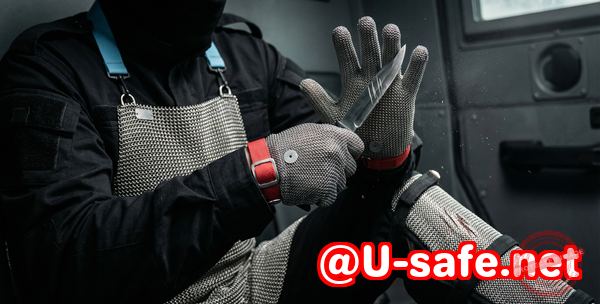
It’s easy to be drawn to the shiny allure of chainmail, but how do you know if you’re buying a truly protective, durable, and high-quality piece? Let’s explore how to inspect steel chainmail to avoid common mistakes, ensuring you make a safe investment every time.
Why Chainmail Quality Matters
Whether you’re purchasing chainmail for industrial protection or a historical costume, the quality of the material can make or break its effectiveness. Chainmail is constructed from metal rings woven into patterns, and every detailfrom the steel grade to the weaveaffects its durability, safety, and aesthetic appeal.
So, what’s at stake if you choose the wrong one?
-
Industrial accidents: Low-quality chainmail may break or wear out prematurely, leaving you exposed to dangerous cuts or abrasions.
-
Cosplay mishaps: While decorative chainmail may look good in pictures, it might not hold up in real life.
-
Wasted money: Without knowing what to look for, you might end up with chainmail that doesn’t meet your needs or standards.
But don’t worry! In this article, I’m going to walk you through a foolproof guide to inspecting chainmail, so you can always choose the best product for your needs.
The Pain Points: What to Look Out For
When it comes to buying chainmail, many buyers struggle with knowing whether they’re getting a high-quality product or a subpar imitation. The most common pain points in evaluating chainmail include:
-
Welded vs. Open Rings
One of the biggest challenges buyers face is distinguishing between welded and open rings. Open rings may seem cheaper, but they are far less durable, which could be a major safety risk in industrial or food-related applications.
-
Stainless Steel Grades
Not all stainless steel is created equal. There’s a big difference between 304 and 316 grades of steel, and this decision impacts everything from durability to corrosion resistance.
-
Weave Integrity
The weave pattern of the chainmailsuch as the European 4-in-1 weaveis critical to its strength. A poorly woven product will not provide the protective benefits that a high-quality weave does.
The good news is that with just a few simple steps, you can avoid these pitfalls and ensure your chainmail is up to the task.
Aegimesh Chainmail: Your Go-To Solution for Quality Chainmail
To help you make the best purchase decisions, Aegimesh offers an insightful guide and inspection tool that explains how to evaluate chainmail quality. Whether you’re buying for industrial protection, food handling, or cosplay, this guide is an essential resource for making informed choices.
Let’s take a look at how to evaluate chainmail in terms of its material, construction, and design.
Step-by-Step Chainmail Inspection: How to Spot Quality Products
1. Check the Material (304 vs 316 Stainless Steel)
Stainless steel is the most common material used in chainmail. However, not all stainless steel is created equal. The two most popular grades are 304 and 316.
-
304 Stainless Steel: Often used in decorative or general-purpose chainmail. While it’s resistant to rust, it’s not as durable in harsh conditions.
-
316 Stainless Steel: This is the superior choice for industrial or food-processing environments because it’s more resistant to corrosion, particularly in saltwater or acidic conditions.
Tip: For industrial or food-handling use, always opt for 316-grade stainless steel to ensure a longer lifespan and better protection.
2. Inspect Ring Welding
One of the easiest ways to spot low-quality chainmail is by checking whether the rings are welded or open. Open rings can pull apart with minimal force, whereas welded rings create a much stronger and more secure weave.
How to Test: Gently tug on a few rings to see if they stay in place or loosen. If the rings come apart easily, it’s a sign the chainmail won’t hold up under stress.
3. Evaluate Wire Thickness and Ring Diameter
The thickness of the wire and the diameter of the rings are crucial to the chainmail’s strength. Thicker wires and smaller ring diameters contribute to a more durable product.
For instance, chainmail designed for heavy-duty use (such as industrial or cut-resistant protection) will have thicker wire and a tighter weave. Conversely, lighter chainmail (for cosplay or decoration) can get by with thinner wire and larger rings.
How to Check: Measure the wire diameter with a ruler and compare it to industry standards for your specific application. This ensures you get the protection you need.
4. Inspect the Weave Pattern
The weave pattern not only determines the aesthetics of the chainmail but also its functionality. One of the strongest weaves is the European 4-in-1 weave, where each ring passes through four others. This pattern is particularly strong and provides excellent cut protection.
How to Test: Check if the pattern is consistent throughout. An uneven or loose pattern is a red flag that the chainmail won’t provide the necessary protection.
Practical Tips for Inspecting Chainmail
Pull Test:
The pull test is one of the simplest ways to evaluate chainmail. Gently pull on individual rings to see if they separate. If any rings come loose, the product likely isn’t durable enough for industrial use.
Corrosion Check:
Inspect the chainmail for any signs of rust or corrosion. Good-quality stainless steel, especially 316, should be resistant to rust. If you spot any rust or pitting, it’s time to look for a better product.
Choosing the Right Chainmail for Your Needs:
Consider the intended use of the chainmail before making your decision. If you’re looking for protection in a food-processing or industrial environment, the heavier, more tightly woven chainmail is your best bet. For cosplay or decorative purposes, you can opt for a lighter version, but make sure it still meets quality standards.
Why Quality Matters: The Risks of Poor Chainmail
Opting for low-quality chainmail might save you a few bucks upfront, but it could cost you much more in the long run. Poorly made chainmail can break under pressure, leaving you unprotected in dangerous environments. This is especially critical for industrial workers or anyone handling sharp objects or machinery.
Moreover, low-quality products are often made with subpar materials or inadequate weaves that degrade over time. This means you’ll likely need to replace your chainmail sooner than expected, leading to wasted money.
Conclusion: Get the Best for Your Safety and Budget
When purchasing chainmail, it’s important to follow the proper inspection steps to ensure you’re getting a product that meets your safety and durability standards. Whether you’re using it for industrial protection, food processing, or cosplay, high-quality chainmail will offer you peace of mind and reliability.
I highly recommend following these inspection steps to ensure that any chainmail purchase meets safety and durability standards. With a little effort, you can avoid unsafe chainmail and make an investment that will serve you well for years to come.
Learn more about identifying high-quality chainmail products: Aegimesh Chainmail Guide
Check out our detailed chainmail inspection guide today to make sure your next purchase is the right one.
FAQ
1. How can I tell if a chainmail ring is welded or open?
Inspect the ring. If the ends are fused together without any gaps, it’s welded. Open rings will have a visible gap between the ends.
2. Which stainless steel grade is best for long-lasting chainmail?
For industrial or food applications, 316 stainless steel is the best option due to its superior resistance to corrosion and durability.
3. How do I inspect the weave pattern for strength?
Look for consistency in the pattern. A strong weave like the European 4-in-1 should be tight, without loose or uneven rings.
4. What are the signs of low-quality or unsafe chainmail?
Signs include visible rust, uneven weaving, or rings that come apart under pressure. Low-quality chainmail will also feel flimsy or light.
5. Can decorative chainmail be used for protective purposes?
Decorative chainmail is generally not recommended for protection, as it may not have the necessary strength, weave, or material quality for safety.
6. How do I choose the right chainmail for industrial vs. cosplay use?
For industrial use, look for tight weaves, thicker wire, and corrosion-resistant materials like 316 stainless steel. For cosplay, a lighter weave and thinner wire are sufficient.
Tags: chainmail quality, welded rings, stainless steel chainmail, cut-resistant chainmail, chainmail inspection, European 4-in-1 weave, chainmail durability




 한국어
한국어  Русский
  Deutsch
  العربية