


Steel and Its Importance in the Evolution of Chainmail
Steel and Its Importance in the Evolution of Chainmail
When buying chainmail, whether for industrial use, cosplay, or historical reenactment, it can often feel like navigating a minefield. The market is filled with varying quality, and sometimes it’s hard to tell the difference between top-tier protection and flimsy decorative pieces. I’ve faced this dilemma myself, and I know it can be overwhelming. How do you know you’re getting the right quality for your needs? How can you be certain that the chainmail you purchase will perform as expected, whether that’s in the kitchen, on a battlefield, or at a convention?
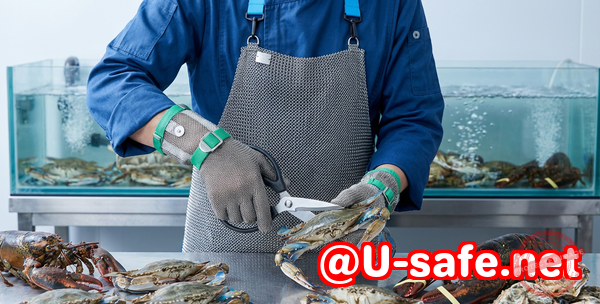
In this post, I’ll walk you through how to identify high-quality chainmail, particularly when you’re looking for products like Aegimesh Chainmail, which can be used for everything from food safety and industrial protection to costume and historical uses. I’ll break down the steps to inspect chainmail for durability, safety, and authenticityso you can make confident purchases and avoid the frustration of buying low-quality or unsafe products.
Common Pain Points When Choosing Chainmail
Before we dive into the inspection process, let’s talk about some common frustrations buyers face when shopping for chainmail.
-
Welded vs Open Rings: One of the most common challenges is distinguishing between welded and open rings. Many low-cost chainmail products on the market use open rings, which are less durable and prone to falling apart under stress. Knowing how to spot the difference can save you from wasting money and ensure you’re getting a product that will last.
-
Confusion Over Stainless Steel Grades: Not all stainless steel is created equal, and if you’re not familiar with grades like 304 or 316, you might end up with chainmail that’s not as resistant to corrosion or wear as it should be. This is especially critical if you plan to use chainmail in an industrial setting or for food safety.
-
Weak Weaves: Chainmail is only as strong as its weave. Some products on the market may look the part but fail in durability because they use inconsistent or weak weaving patterns. This can lead to premature wear and tear, which is unacceptable, particularly for industrial or protective uses.
With Aegimesh Chainmail, you can take the guesswork out of the equation. The following steps will help you evaluate chainmail for your needs.
How to Inspect and Verify the Quality of Chainmail
Let’s walk through the key steps for inspecting chainmail to ensure you’re buying something that’s built to last.
1. Check the Material Type
The first thing you should check is the material. Most high-quality chainmail is made from stainless steel. But, not all stainless steel is the same. There are two main grades you’ll encounter: 304 and 316.
-
304 Stainless Steel: This is the most common grade used in chainmail. It’s durable, rust-resistant, and will generally work well in everyday use. However, it’s not the best when it comes to resisting corrosion, particularly in harsh environments like those involving saltwater or certain chemicals.
-
316 Stainless Steel: This is a higher-grade material that’s more resistant to corrosion and better suited for industrial and food processing environments. If you’re buying chainmail for cut protection in a kitchen or industrial setting, 316 is definitely the better choice.
When inspecting chainmail, you can usually ask the seller or manufacturer about the grade of steel used. If they’re using a lower-quality steel, it might be time to look elsewhere.
2. Inspect the Ring Welding
Another important aspect is how the rings are welded. A strong, welded ring is a clear indicator of high-quality chainmail.
-
Welded Rings: These are permanently fused together, providing strength and durability. If you’re buying chainmail for protection, like in a food-processing setting or for protective armor, welded rings are essential.
-
Open Rings: As mentioned earlier, open rings are a hallmark of cheap chainmail. These rings can pull apart under pressure, leaving you exposed to potential harm.
You can inspect the rings by gently tugging at them to see if they come apart. If they do, you’ve found open rings. Look for smooth, even welds where the steel has been fused togetherthis will give you a sense of the quality craftsmanship that went into making the chainmail.
3. Evaluate Wire Thickness and Inner Diameter
When it comes to chainmail, thickness matters. Thicker wires make for more durable, long-lasting products. The wire gauge and inner diameter of the rings contribute to the overall strength of the weave.
-
Wire Thickness: High-quality chainmail typically uses thicker wires, which provide greater resistance to wear and tear. If you can feel the weight and substance of the chainmail, you’re likely looking at a higher-quality product.
-
Ring Diameter: The inner diameter of the rings is also crucial. If the rings are too small or too large for the weave pattern, it can compromise the strength of the chainmail. For maximum durability, the diameter of the rings should be proportional to the wire thickness.
A simple way to measure this is by using a ruler or caliper to assess the inner diameter of the rings. If the dimensions seem off, the chainmail might not be up to standard.
4. Inspect the Weave Pattern for Strength
The weave pattern is what holds the entire structure of the chainmail together. The European 4-in-1 weave is one of the most popular and strongest patterns used in chainmail. It involves four rings passing through a single ring, providing excellent durability.
When evaluating a product, ensure the weave pattern is tight, consistent, and uniform. Gaps or inconsistencies in the pattern could indicate poor workmanship, which can result in weaker chainmail that will wear down faster or break under stress.
5. Perform a Pull Test
A quick pull test can help you determine how durable the chainmail is. Gently pull at the rings to see how they hold up. If the rings come apart easily or the weave feels loose, you’ve probably found low-quality chainmail.
Why Proper Inspection is So Important
By following these inspection methods, you’ll ensure you’re investing in high-quality chainmail that meets your specific needswhether for industrial use, cosplay, or as part of a historical display.
-
Safety: High-quality chainmail ensures you’re protected from cuts and abrasions, especially in industrial settings or while working with sharp objects.
-
Durability: Chainmail that’s well-made will last longer, saving you money in the long run. You won’t have to worry about your armor or protective gear falling apart after just a few uses.
-
Cost Efficiency: By spotting low-quality chainmail before you buy, you’ll avoid making a poor investment that might not meet your needs.
Conclusion
When you’re shopping for chainmail, make sure to follow these steps to ensure you’re buying a product that’s both safe and durable. I highly recommend checking the material, welding, wire thickness, and weave pattern to help you identify high-quality chainmail that’s built to last. Whether you’re using it for food safety, cut protection, cosplay, or historical reenactment, a little inspection goes a long way.
To learn more about identifying top-tier chainmail products, check out our detailed guide today at Aegimesh Chainmail.
常见问题解答
-
How can I tell if a chainmail ring is welded or open?
Look closely at the rings. Welded rings will have a smooth, continuous line where the steel is fused together. Open rings will show a visible gap where they’re not joined.
-
Which stainless steel grade is best for long-lasting chainmail?
For maximum durability and corrosion resistance, 316 stainless steel is the best choice, especially for industrial or food-related uses.
-
How do I inspect the weave pattern for strength?
Ensure the pattern is tight, consistent, and free from gaps. A strong weave, like European 4-in-1, will be uniform and even across the entire piece.
-
What are the signs of low-quality or unsafe chainmail?
Signs include visible gaps in the weave, open rings, thin wire, and inconsistent ring diameters. These factors will compromise the durability and safety of the chainmail.
-
Can decorative chainmail be used for protective purposes?
While decorative chainmail may look appealing, it often lacks the strength and durability required for protective purposes. Always check the quality before using it for safety.
-
How do I choose the right chainmail for industrial vs cosplay use?
For industrial use, look for thicker, welded rings made from high-quality stainless steel like 316. For cosplay, lighter, decorative chainmail made from 304 stainless steel is usually sufficient, but ensure it has a strong weave and consistent craftsmanship.
Tags: chainmail quality, welded rings, stainless steel chainmail, cut-resistant chainmail, chainmail inspection, European 4-in-1 weave




 한국어
한국어  Русский
  Deutsch
  العربية