


Lightweight vs Heavy-Duty Chainmail Gloves Which Is Right
Lightweight vs Heavy-Duty Chainmail Gloves: Which Is Right for You?
When I first started exploring chainmail gloves for work and hobbies, I was overwhelmed. Some gloves were light and flexible, while others felt like wearing miniature armor. I remember holding a pair of heavy-duty gloves, thinking, “Will I even be able to move my fingers?” Yet, my friend had a lightweight pair and worried about cutting himself while filleting fish. Choosing the right chainmail glove isn’t just about comfort or styleit’s about safety, durability, and knowing exactly what you’re buying. After years of inspecting hundreds of chainmail products, I’ve learned some practical methods to separate high-quality, reliable gloves from unsafe or flimsy ones.
Why Evaluating Chainmail Quality Matters
The problem is simple: not all chainmail is created equal. Buyers often face issues like:
-
Welded vs open rings A poorly welded ring can pop open under pressure, compromising safety.
-
Unclear stainless steel grades 304 stainless may resist rust, but 316 is better for high-moisture environments. Using the wrong grade can lead to corrosion and shortened lifespan.
-
Weak or inconsistent weaves Even if the rings are strong, a sloppy weave reduces the overall strength of your gloves.
For industrial users, a split or broken ring could mean a serious cut. For cosplayers or collectors, low-quality chainmail might tear or deform after just a few uses. Understanding chainmail quality isn’t just technicalit’s practical, and it saves money and headaches in the long run.
Lightweight vs Heavy-Duty: What’s the Difference?
Lightweight chainmail gloves are flexible, easy to move in, and often used for tasks that require dexterity, such as:
-
Filleting fish in a busy kitchen
-
Handling small tools in workshops
-
Cosplay events or costume work
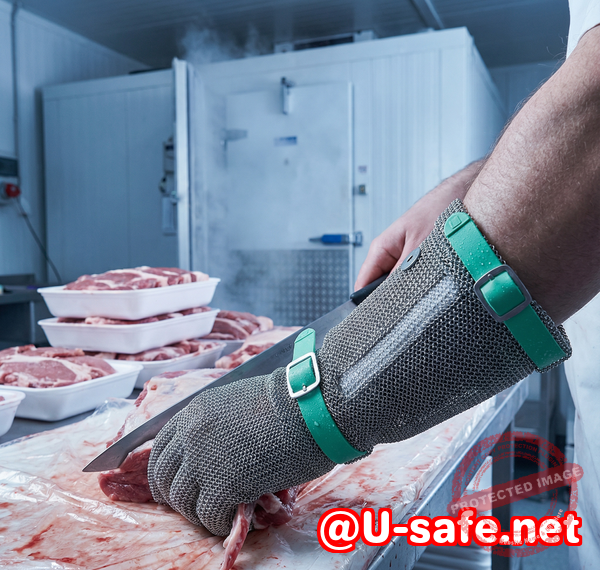
Heavy-duty chainmail gloves are more rigid and designed for maximum protection. They excel in environments like:
-
Industrial cut protection
-
Butchery and meat processing
-
Tasks involving sharp blades or high-risk machinery
The key is knowing which glove fits your purpose. Lightweight gloves prioritize mobility, but may sacrifice some protection. Heavy-duty gloves maximize safety but can be cumbersome. Evaluating chainmail quality can help you make the right trade-off.
How to Inspect Chainmail Gloves Like a Pro
I rely on a few simple inspection steps whenever I assess gloves. Aegimesh Chainmail has been invaluable in guiding me through these checks. Here’s what I look for:
1. Material Type
Stainless steel grades matter:
-
304 stainless steel Resistant to rust in dry or mildly wet conditions. Great for cosplay, decorative use, or light food handling.
-
316 stainless steel Higher corrosion resistance, ideal for wet or harsh environments like industrial kitchens or food processing plants.
Always check if the seller specifies the grade. If they don’t, consider it a warning sign.
2. Welded Rings vs Open Rings
The weld is the most critical feature for safety. Here’s how to inspect:
-
Look closely at each ring under bright light. A proper weld has no visible gap.
-
Run a fingertip along the ringif you feel a seam or weak spot, the weld may fail under stress.
-
For heavier gloves, perform a gentle pull test: slightly stretch the chainmail. Welded rings shouldn’t open or separate.
I remember testing two similar-looking gloves at a trade show. One claimed “industrial-grade” protection but a few rings opened under light tension. It was a clear red flag.
3. Wire Thickness and Inner Diameter
The strength of each ring is largely determined by the wire’s gauge and ring diameter:
-
Thicker wire = more protection but less flexibility.
-
Smaller inner diameter = tighter weave, better durability.
-
Check that the rings are uniformvariations often indicate rushed production or lower quality.
For example, I once tried a set of decorative gloves that looked sturdy, but inconsistent ring diameters made them prone to snagging and bending.
4. Weave Pattern
The European 4-in-1 weave is the gold standard for durability. Each ring passes through four others, creating a strong mesh. Check that:
-
Rings are evenly aligned
-
The weave doesn’t twist or bunch
-
No gaps compromise coverage
A sloppy weave isn’t just unsightlyit directly impacts protective performance.
Practical Tips for Buyers
Here are some actionable steps I use before purchasing chainmail gloves:
-
Perform a pull test Hold a small section of the glove and gently stretch it. Rings should stay secure.
-
Check for corrosion Rust spots or discoloration indicate inferior stainless steel.
-
Assess flexibility Move your fingers in the gloves. Heavy-duty gloves should protect without completely restricting movement.
-
Match the glove to its purpose Don’t buy lightweight gloves for heavy industrial work.
-
Use Aegimesh Chainmail as a reference Their inspection guide helps confirm material, welds, and weave integrity.
By following these steps, you can avoid low-quality or unsafe purchases while ensuring the gloves perform as expected.
Benefits of Proper Chainmail Inspection
Inspecting gloves carefully brings tangible benefits:
-
Safety first Avoid injuries caused by weak or poorly welded rings.
-
Longevity Durable materials last longer, reducing replacement costs.
-
Peace of mind You know exactly what you’re getting, whether for work or hobby.
-
Cost savings Identify cheap imitations before wasting money.
I recall a friend who bought a budget glove set online. Within days, rings began popping open. A few dollars saved initially led to a much higher replacement costand an unnecessary safety risk.
Choosing the Right Chainmail for Your Use
-
Industrial or food processing Go heavy-duty with 316 stainless steel and welded rings. European 4-in-1 weave is essential.
-
Cosplay or decorative use Lightweight 304 stainless steel gloves are sufficient, but still inspect welds and weave.
-
Collectibles or historical replicas Prioritize authenticity and uniform weaves. Even if not used for protection, high-quality chainmail maintains shape and appearance over time.
When I select gloves, I always consider: “What will I do with these gloves, and how much protection do I really need?” Answering that question prevents overpaying for unnecessary weight or compromising safety with cheap alternatives.
Conclusion
Over the years, I’ve learned that chainmail gloves are more than just gearthey’re an investment in safety and functionality. By inspecting material type, welded rings, wire thickness, inner diameter, and weave pattern, you can confidently choose between lightweight and heavy-duty gloves.
I highly recommend following these steps to ensure any chainmail purchase meets safety and durability standards. Understanding these elements helps avoid cheap imitations, prevents injuries, and ensures your gloves last for years of industrial, culinary, cosplay, or collectible use.
Learn more about identifying high-quality chainmail products: https://www.aegimesh.com/
Check out our detailed chainmail inspection guide today.
常见问题解答
1. How can I tell if a chainmail ring is welded or open?
Inspect the ring closely for a visible seam. A welded ring has no gap, while an open ring will have a noticeable split. A gentle pull test can confirm integrity.
2. Which stainless steel grade is best for long-lasting chainmail?
304 stainless steel is good for dry or low-moisture use, while 316 stainless steel offers superior corrosion resistance in wet or industrial environments.
3. How do I inspect the weave pattern for strength?
Look for a uniform European 4-in-1 weave with no twisted or bunched rings. Each ring should pass through four others consistently.
4. What are the signs of low-quality or unsafe chainmail?
-
Rings opening under tension
-
Uneven wire thickness or ring diameter
-
Visible corrosion or discoloration
-
Sloppy or twisted weave
5. Can decorative chainmail be used for protective purposes?
Generally, decorative chainmail prioritizes appearance over strength. It may not provide adequate protection against cuts or heavy-duty tasks.
6. How do I choose the right chainmail for industrial vs cosplay use?
For industrial use, choose heavy-duty gloves with 316 stainless steel and welded rings. For cosplay, lightweight 304 stainless steel gloves with secure welds are usually sufficient.
7. What simple tests can confirm a chainmail glove’s durability?
Perform a gentle pull test, inspect welds, check for consistent wire thickness, and ensure the weave pattern is tight and uniform.
Tags/Keywords:
chainmail quality, welded rings, stainless steel chainmail, cut-resistant chainmail, chainmail inspection, European 4-in-1 weave, chainmail durability, chainmail gloves, heavy-duty chainmail, lightweight chainmail





 한국어
한국어  Русский
  Deutsch
  العربية