


How Steel Metal Chainmail Is Manufactured
How Steel Metal Chainmail Is Manufactured: A Complete Guide to Identifying High-Quality Chainmail
When you’re in the market for chainmailwhether for historical reenactments, industrial applications, or cosplayit can be tough to know which products are genuinely high-quality and which ones might leave you disappointed (or worse, injured). How do you ensure you’re getting a product that will withstand the test of time, meet your safety standards, and truly be worth your investment?
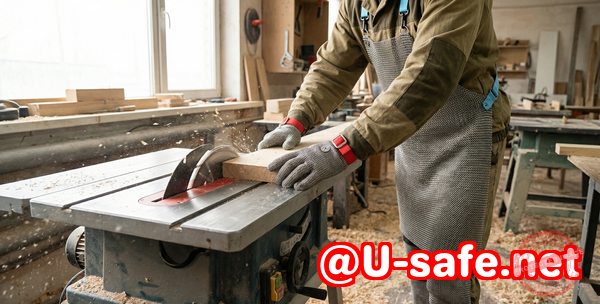
I’ve been there toostanding in a store or browsing online, unsure if the chainmail in front of me is truly built to last. After all, when it comes to protection, especially in high-risk industries or while handling food, quality isn’t something you want to compromise on. Fortunately, with a few key inspection tips and tricks, you can easily distinguish quality chainmail from subpar products. Let’s walk through what you should look for and how to ensure you’re investing in the best steel metal chainmail.
Common Pitfalls in Choosing Steel Chainmail
When you’re evaluating chainmail, whether for industrial, cosplay, or historical purposes, there are a few common pain points that many buyers face. These pitfalls can often lead to buying a product that isn’t quite right for your needsor worse, a low-quality product that’s unsafe or unreliable. Here are the top three problems you might run into:
-
Welded vs. Open Rings: One of the most common issues when evaluating chainmail is determining whether the rings are welded or simply opened. Welded rings are much stronger and more durable, while open rings can easily fall apart with wear or under pressure. You want to avoid purchasing chainmail with open rings if you need it for protective purposes.
-
Stainless Steel Grades: Not all steel is created equal, and that’s especially true when it comes to chainmail. If you don’t know the difference between 304 and 316 stainless steel, you could end up with a product that’s prone to corrosion or doesn’t offer the durability you need.
-
Weave Patterns and Durability: While decorative chainmail might look appealing in a costume, it might not offer the durability necessary for high-risk environments. Weak weaves or inconsistent ring sizes can compromise the strength and reliability of your chainmail.
So, how do you make sure you avoid these pitfalls and choose the best quality chainmail for your needs? The solution lies in a few straightforward inspection methods that anyone can follow. Let’s dive into the details.
How to Inspect Steel Chainmail for Quality
Step 1: Understand the Material
The first thing to check when evaluating steel chainmail is the material itself. Not all chainmail is made from the same type of steel, and some alloys are far more durable and resistant to corrosion than others.
-
304 Stainless Steel: This is a general-purpose steel that’s durable and corrosion-resistant, but it’s not as resistant to chloride as 316 steel. While 304 steel is fine for many uses, it might not hold up as well in highly corrosive environments.
-
316 Stainless Steel: This is the premium option for chainmail. It’s highly resistant to rust, corrosion, and pitting, making it ideal for use in harsher environments like food processing or industrial applications. If you’re using chainmail for high-risk applications, you’ll want to look for 316 steel.
Tip: Check the product description to verify whether the chainmail is made from 304 or 316 stainless steel. If you’re in doubt, ask the seller or manufacturer for more details.
Step 2: Inspect the Ring Welding
Now, let’s talk about the rings themselves. Chainmail rings can either be welded or open. If you want your chainmail to last and provide adequate protection, welded rings are a must.
-
Welded Rings: These are fused together at the edges, creating a solid bond that makes the chainmail incredibly strong and durable. A high-quality welded ring will have no gaps, and the weld should be smooth and seamless.
-
Open Rings: These rings are simply bent into shape, making them much less durable. Over time, they can pull apart under pressure, which compromises the integrity of the chainmail.
How to Check: To determine whether the rings are welded or open, you can simply examine the ends. If they are perfectly smooth and unbroken, they’re likely welded. If you can see any gaps or openings where the ring meets, they’re open.
Step 3: Check Wire Thickness and Ring Diameter
Another key factor to look for is the thickness of the wire and the diameter of the rings. A thicker wire and appropriately sized ring diameter will ensure that the chainmail is strong and can withstand wear and tear.
-
Wire Thickness: A thicker wire means a stronger chainmail. Thin wire might look lighter, but it’s more likely to bend or break under pressure. Always go for a wire thickness that feels sturdy and solid in your hand.
-
Ring Diameter: The diameter of the rings is just as important as the wire thickness. If the rings are too small or too large, the weave may not be as effective at distributing force. Common weaves like European 4-in-1 (the classic chainmail weave) require a specific ring diameter for optimal strength.
Tip: To test the thickness of the wire and the diameter of the rings, you can compare them to the specifications provided by the manufacturer. In general, industrial applications require thicker, larger rings for added strength.
Step 4: Evaluate the Weave Pattern
The weave pattern is another important indicator of chainmail quality. Some weaves, like the European 4-in-1, are designed for maximum strength and durability. Others, like the 6-in-1 or 8-in-1, offer increased flexibility but may not be as strong.
-
European 4-in-1 Weave: This is one of the strongest and most durable weaves. The rings are woven in a way that ensures even distribution of force, making it a top choice for protective chainmail.
Tip: Inspect the weave pattern carefully. A well-done European 4-in-1 weave will have evenly spaced rings, and the pattern will be consistent throughout the entire piece.
Step 5: Conduct a Pull Test
One simple way to assess the strength of your chainmail is to perform a pull test. Hold a few rings together and pull them apart. If the rings stay intact and the chainmail feels solid, it’s a good sign of high quality. If the rings bend, pull apart, or the weave loosens, you’ve got a low-quality product.
Tip: When testing the chainmail, apply pressure gradually. A sudden pull could cause damage even to high-quality pieces, so be gentle.
The Benefits of Proper Chainmail Inspection
By following these inspection steps, you can confidently assess the quality of chainmail before you make a purchase. Here’s how this process helps:
-
Avoiding Unsafe Purchases: When you inspect for welded rings, the right material, and proper weave patterns, you can ensure that the chainmail will provide the protection you need, whether it’s for industrial use or cosplay.
-
Ensuring Durability: High-quality chainmail lasts longer, offering better value for your money in the long run.
-
Making Informed Choices: Knowing how to evaluate quality chainmail helps you avoid wasting money on low-grade products that can fall apart easily.
Conclusion: Make Sure Your Chainmail Meets Safety and Durability Standards
I highly recommend following these steps when inspecting chainmail to ensure it meets the required safety and durability standards. Whether you’re buying chainmail for industrial protection, cosplay, or historical reenactments, knowing what to look for can save you time, money, and potential safety risks.
By paying attention to the material, welds, wire thickness, and weave patterns, you can make an informed decision and avoid low-quality chainmail that won’t live up to expectations. Learn more about identifying high-quality chainmail products and start shopping smarter today.
For a more detailed guide on how to inspect chainmail, check out our full chainmail inspection guide at Aegimesh.
FAQs About Steel Metal Chainmail
1. How can I tell if a chainmail ring is welded or open?
Look closely at the ends of the rings. Welded rings will have a smooth, seamless edge with no visible gaps, while open rings will have a slight opening or space where the ring is bent together.
2. Which stainless steel grade is best for long-lasting chainmail?
For long-lasting durability and corrosion resistance, 316 stainless steel is the best option. It’s highly resistant to rust, pitting, and wear.
3. How do I inspect the weave pattern for strength?
Look for a consistent, even weave pattern. A European 4-in-1 weave, where each ring interlocks with four others, is ideal for strength and durability.
4. What are the signs of low-quality or unsafe chainmail?
Signs include poor ring welds, inconsistent ring sizes, weak or loose weaves, and signs of corrosion or rust.
5. Can decorative chainmail be used for protective purposes?
While decorative chainmail may look great for costumes or displays, it often lacks the durability and strength needed for protective purposes. Always choose high-quality, industrial-grade chainmail for protection.
6. How do I choose the right chainmail for industrial vs. cosplay use?
For industrial use, choose chainmail made from 316 stainless steel with welded rings and a tight, durable weave like European 4-in-1. For cosplay, lighter chainmail with decorative weaves can suffice, though it may not offer the same durability or protection.
Tags: chainmail quality, welded




 한국어
한국어  Русский
  Deutsch
  العربية