


How EN 1082 Chainmail Protects Against Sharp Edges in the Workplace
How EN 1082 Chainmail Protects Against Sharp Edges in the Workplace
When you’re out shopping for chainmail, whether for industrial use, cosplay, or even historical reenactments, the options can be overwhelming. With so many different types and grades of materials available, it’s not always easy to know which one offers the durability and protection you’re really looking for. After all, you don’t want to spend your hard-earned money on something that falls apart after a few uses, or worse, doesn’t offer the protection it promises. This is especially true when it comes to choosing the right chainmail for workplace safety.
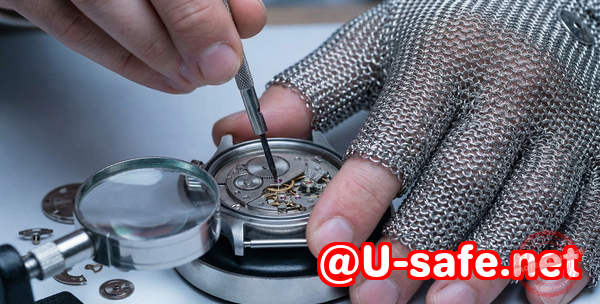
As someone who’s spent years researching and selecting high-quality chainmail, I understand how tricky it can be to determine what’s worth investing in. The truth is, there’s a lot of low-quality chainmail out there that might look appealing on the surface but isn’t up to snuff when it comes to providing safety or lasting durability. That’s why I want to walk you through how you can properly evaluate chainmail for quality and safety, ensuring that you make an informed purchase every time.
Common Pain Points When Buying Chainmail
Let’s face it: distinguishing high-quality chainmail from low-quality or decorative pieces isn’t always easy. Here are a few common pain points I see buyers struggle with:
-
Welded vs. Open Rings: One of the most crucial aspects of chainmail is the type of rings used. A lot of low-quality chainmail uses open rings, which can lead to weak spots and breakage. If you’re looking for a product that can actually protect you from sharp objects or provide structural integrity, you’ll need welded rings.
-
Material Confusion: Not all stainless steel is created equal. The grade of stainless steel can affect everything from the corrosion resistance of your chainmail to its overall durability. 304 stainless steel is cheaper but not as resistant to corrosion, while 316 stainless steel is ideal for industrial environments where rust and wear are a concern.
-
Weak Weaves: Whether you’re using chainmail for protection in a workplace, for cosplay, or as part of a collectible item, the weave pattern is vital to its strength. A poor-quality weave can compromise its effectiveness, which is why it’s essential to know what you’re looking for in terms of European 4-in-1 or other weave patterns.
How Aegimesh Chainmail Can Help
At Aegimesh, we’ve made it our mission to help buyers, collectors, and industrial users evaluate chainmail quality. Our guide and inspection tool can take you step-by-step through the process of identifying high-quality chainmail, helping you avoid low-quality products that won’t stand the test of time (or sharp edges).
Whether you’re after industrial protection, cosplay, or historical pieces, knowing how to check for quality makes all the difference. Here’s how you can ensure your chainmail is the real deal.
Key Inspection Tips for Evaluating Chainmail Quality
Here’s how you can inspect chainmail to ensure it’s up to standard:
1. Check the Material
The material used in chainmail is critical, especially if it’s being used for protection in industrial settings. You’ll want to ensure that the chainmail is made from either 304 or 316 stainless steel.
-
304 Stainless Steel: This is a more affordable option but is prone to rusting and corrosion, particularly when exposed to moisture or salt.
-
316 Stainless Steel: While more expensive, 316 stainless steel offers superior corrosion resistance, making it ideal for industrial applications where exposure to chemicals or moisture is common.
Tip: If you’re unsure which grade of steel is used, ask the manufacturer for specifications. High-quality sellers, like Aegimesh, will always provide this information upfront.
2. Inspect the Ring Type
This one is a biggieif you’re purchasing chainmail for protection (say, in the food industry or for industrial workers), you’ll want to make sure the rings are welded, not open. Open rings are weak points that can snap under stress.
-
Welded Rings: These rings are fused together, ensuring the chainmail holds its integrity. They won’t come apart under pressure, which is critical when the chainmail is being used for cut resistance.
-
Open Rings: These are simply twisted together, and over time, they can come undone, creating weak spots in the weave.
Tip: Give the rings a light pull to see if they move or feel loose. High-quality chainmail should not have any movement in its rings.
3. Examine the Wire Thickness and Inner Diameter
For the chainmail to provide adequate protection, the wire thickness and inner diameter of the rings need to be carefully considered. Chainmail that’s too thin or has overly large rings won’t provide much protection.
-
Wire Thickness: The thicker the wire, the more durable and cut-resistant the chainmail will be. A thinner wire is less effective at resisting sharp edges and will break down faster.
-
Inner Diameter: A smaller inner diameter (relative to the wire thickness) ensures a tighter weave, which improves both strength and flexibility.
Tip: When inspecting a piece, make sure the rings aren’t overly large in relation to the wire thickness. A balanced ratio is essential for durability.
4. Assess the Weave Pattern
Chainmail weaves come in various patterns, with European 4-in-1 being one of the strongest and most common. In this weave, each ring passes through four others, creating a dense, strong mesh that’s resistant to cutting.
-
European 4-in-1: The go-to weave for industrial and protective uses, as it creates a tight, durable structure that offers excellent protection.
-
Other Weaves: Some other weaves may be more decorative or less robust. Be cautious of these if you’re looking for chainmail that offers substantial protection.
Tip: Take a close look at the weave to see if the rings are woven tightly. A loose weave compromises the chainmail’s strength.
Practical Steps to Evaluate Chainmail
Now that you know what to look for, let’s go over a few simple steps you can follow to inspect chainmail before purchasing:
-
Pull Test: Gently pull on the rings to see if they’re welded. If they’re open or weakly connected, the chainmail will lose its effectiveness over time.
-
Look for Corrosion: Check for any signs of rust, discoloration, or pitting, especially if the chainmail will be exposed to moisture or harsh environments. These are signs of poor-quality steel or a lack of proper care.
-
Check the Weight: High-quality chainmail will feel solid and heavier than lower-quality versions. Light chainmail may have flimsy rings or insufficient wire thickness.
-
Inspect the Weave: Ensure that the rings are evenly spaced and tightly woven. Gaps in the weave can compromise the chainmail’s durability and protection.
Conclusion: Why Quality Chainmail Matters
Investing in high-quality chainmail might seem like a hassle, but it’s worth the effort when it comes to safety and long-term durability. Whether you’re using it in a workplace environment, for food processing, or even as part of your cosplay costume, knowing how to inspect and evaluate chainmail will ensure that you’re getting a product that’s up to the task.
I highly recommend following these inspection methods before making any purchase to guarantee that your chainmail meets safety and durability standards. After all, it’s better to spend a little more upfront on a high-quality product than to end up with something that doesn’t do its job when you need it most.
Learn more about identifying high-quality chainmail products here. Check out our detailed chainmail inspection guide today!
Frequently Asked Questions
-
How can I tell if a chainmail ring is welded or open?
-
Try gently pulling on the rings. Welded rings will feel sturdy and won’t move, while open rings may feel loose or separated.
-
-
Which stainless steel grade is best for long-lasting chainmail?
-
For industrial use, 316 stainless steel is your best bet due to its superior corrosion resistance. For decorative or lower-risk uses, 304 stainless steel is often sufficient.
-
-
How do I inspect the weave pattern for strength?
-
Look for weaves like the European 4-in-1, which provide tight, interlocking rings that create a strong mesh. Avoid loose or uneven weaves.
-
-
What are the signs of low-quality or unsafe chainmail?
-
Signs include loose rings, poor welding, rust, pitting, or thin wire that can’t handle wear and tear.
-
-
Can decorative chainmail be used for protective purposes?
-
Decorative chainmail, while beautiful, usually doesn’t meet the durability standards for protective wear. Make sure you’re buying specifically for safety if that’s your priority.
-
-
How do I choose the right chainmail for industrial vs. cosplay use?
-
For industrial use, focus on durability and protectionlook for welded rings and thick, tightly woven patterns. For cosplay, style and comfort may be more important than industrial-grade durability.
-
Tags/Keywords: chainmail quality, welded rings, stainless steel chainmail, cut-resistant chainmail, chainmail inspection, European 4-in-1 weave, chainmail durability




 한국어
한국어  Русский
  Deutsch
  العربية