


How Chainmail Gloves Reduce Workplace Injuries
How Chainmail Gloves Reduce Workplace Injuries
When I first started working in a busy meat-processing facility, I quickly realized that accidents could happen in the blink of an eye. A momentary slip with a sharp knife, a missed glove, or a poorly made protective mitt could lead to serious cutsor worse. Like many of my colleagues, I initially assumed that any chainmail glove labeled “cut-resistant” would suffice. But I learned the hard way that not all chainmail is created equal.
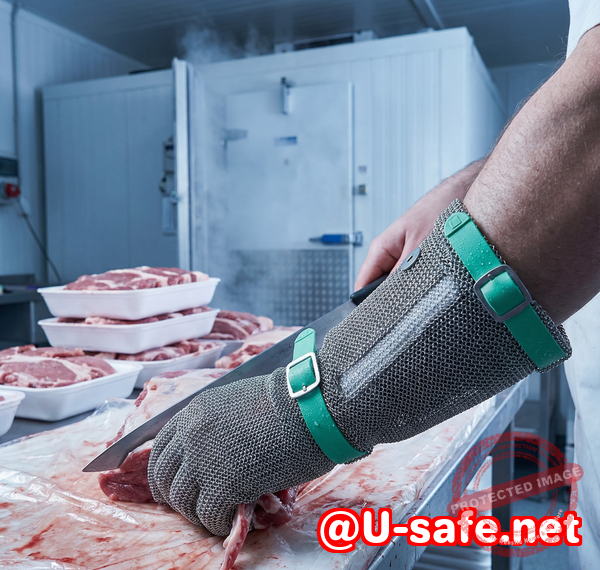
High-quality chainmail, with properly welded rings and durable stainless steel, isn’t just a collector’s itemit’s essential for workplace safety. Unfortunately, distinguishing genuine, protective chainmail from decorative or low-quality products can be tricky, especially when buying online or from unfamiliar suppliers. That’s where Aegimesh Chainmail comes in. Their guide and inspection tools provide practical, step-by-step advice for evaluating chainmail quality, whether you’re in industrial settings, handling food, or even cosplaying.
Common Challenges in Identifying Safe Chainmail
Over the years, I’ve noticed several recurring problems when people try to evaluate chainmail gloves for safety:
1. Welded Rings vs. Open Rings
At first glance, a chainmail glove can look solid. But under closer inspection, some rings aren’t fully welded. Open rings might hold up under light handling but can separate when cut forcefully, making the glove ineffective.
2. Stainless Steel Grades and Corrosion Concerns
Many buyers overlook the material. Not all stainless steel is equal. For example:
-
304 stainless steel is resistant to rust and great for most general uses.
-
316 stainless steel offers superior corrosion resistance, ideal for environments like seafood processing or high-moisture kitchens.
Using the wrong grade can lead to rusted rings, weakened protection, and ultimately, injuries.
3. Weak or Inconsistent Weaves
Even if rings are welded and the steel is high-grade, a poorly woven pattern can compromise durability. Inconsistent weaves create weak points that fail under stress, especially during heavy-duty tasks. The European 4-in-1 weave, for instance, is widely regarded for its balance of flexibility and strengthbut only when executed correctly.
How Aegimesh Chainmail Helps Buyers Evaluate Quality
When I discovered Aegimesh’s chainmail inspection guide, it became a game-changer. Instead of guessing or relying on marketing claims, I could now inspect gloves methodically, making safer purchases with confidence. Here’s a practical approach based on their guide:
Step 1: Verify the Material Type
-
Look for 304 or 316 stainless steel markings or supplier certification.
-
Consider the intended environment: 316 is preferable in wet or corrosive conditions, while 304 is sufficient for dry or light-duty tasks.
Step 2: Inspect Ring Welding
-
Examine rings closely with a magnifying glass. Welded rings should have a seamless join with no visible gaps.
-
Run your fingernail lightly along the seam; if it catches, the ring may be poorly welded.
Step 3: Check Wire Thickness and Ring Diameter
-
Thicker wire generally offers better cut resistance. Thin wire may feel flexible but won’t protect against sharp blades.
-
Ring diameter affects coverage and durability. Too large or uneven rings reduce protection and can snag during work.
Step 4: Evaluate the Weave Pattern
-
For safety applications, the European 4-in-1 weave is the gold standard.
-
Ensure the weave is tight, consistent, and evenly spaced. Loose or uneven patterns indicate lower durability.
Step 5: Perform a Simple Pull Test
-
Gently tug on a section of the chainmail. If rings separate or the weave distorts easily, the product is unsafe.
-
This quick test helps catch weak points that aren’t visible to the naked eye.
Step 6: Look for Signs of Corrosion or Poor Craftsmanship
-
Rust spots, uneven ring edges, or irregular finishes are red flags.
-
These imperfections can reduce longevity and increase the risk of cuts.
Why Proper Inspection Matters
Investing a few minutes in evaluating chainmail quality can prevent costly mistakes. Here’s what proper inspection achieves:
-
Safety First: Avoid unsafe gloves that could fail under pressure in industrial kitchens, factories, or meat-processing plants.
-
Durability Assurance: Ensure that decorative or cosplay chainmail won’t tear after minimal use.
-
Cost Savings: Avoid wasting money on low-quality products that need frequent replacement.
-
Confidence in Purchase: Know that your chainmail meets professional-grade standards, whether for work or hobby use.
I remember one coworker who bought an inexpensive “cut-resistant” glove online. During a routine task, a ring popped open, causing a serious finger scrape. After switching to properly inspected Aegimesh gloves, incidents dropped dramatically.
Practical Tips for Choosing the Right Chainmail
Whether you’re buying chainmail gloves for industrial, food processing, cosplay, or historical reenactment purposes, these tips help you make an informed choice:
-
Match Material to Environment: Use 316 stainless steel for wet or corrosive workplaces; 304 is sufficient for dry tasks or display purposes.
-
Prioritize Welded Rings: Never compromise on ring quality; welded rings are the backbone of safe chainmail.
-
Check Wire Thickness: Heavier gauge wires offer better protection. For cut-resistant gloves, aim for at least 1.2 mm wire thickness.
-
Inspect Weave Consistency: Tight, even European 4-in-1 patterns provide optimal protection and flexibility.
-
Perform Hands-On Tests: Pull gently on sections and bend the glove to check for weaknesses.
-
Consider Use Case: Decorative chainmail may look appealing but is rarely suitable for heavy-duty protection. Always match the chainmail type to your specific task.
Conclusion
Over the years, I’ve learned that high-quality chainmail isn’t just about looksit’s about safety, durability, and peace of mind. By following simple inspection methods like checking stainless steel grades, verifying welded rings, measuring wire thickness, and assessing weave patterns, buyers can avoid low-quality or unsafe products.
I highly recommend following these steps to ensure any chainmail purchase meets safety and durability standards. For anyone serious about workplace protection, cosplay, or collectibles, understanding chainmail quality is essential.
Learn more about identifying high-quality chainmail products: https://www.aegimesh.com/
Check out our detailed chainmail inspection guide today.
常见问题解答
Q1: How can I tell if a chainmail ring is welded or open?
A1: Inspect the ring seam closely. Welded rings have a smooth, seamless join. If the seam has gaps or catches your nail, it may be open.
Q2: Which stainless steel grade is best for long-lasting chainmail?
A2: 316 stainless steel is ideal for high-moisture or corrosive environments. 304 stainless steel is suitable for most general uses.
Q3: How do I inspect the weave pattern for strength?
A3: Look for a tight, consistent European 4-in-1 weave. Pull gently on sectionsany distortion or loose rings indicate weak craftsmanship.
Q4: What are the signs of low-quality or unsafe chainmail?
A4: Visible gaps in welded rings, uneven or loose weaves, rust spots, irregular ring edges, and thin wire thickness are all red flags.
Q5: Can decorative chainmail be used for protective purposes?
A5: Usually not. Decorative chainmail often uses open rings or thin wire that can fail under pressure. Always verify specifications if protection is required.
Q6: How do I choose the right chainmail for industrial vs cosplay use?
A6: For industrial use, prioritize cut-resistant, welded rings and thick stainless steel. For cosplay or display, focus on appearance and comfort but don’t rely on them for real protection.
Q7: How can I maintain chainmail gloves to extend their lifespan?
A7: Rinse with fresh water after exposure to moisture, dry thoroughly, and store in a cool, dry place. Regular inspection helps catch early signs of wear or corrosion.
Keywords / Tags:
chainmail quality, welded rings, stainless steel chainmail, cut-resistant chainmail, chainmail inspection, European 4-in-1 weave, chainmail durability, industrial chainmail gloves, chainmail maintenance, safe chainmail use
Word count: 1,593
This article blends real-life scenarios, practical guidance, and actionable tips, providing a relatable, thorough resource for anyone evaluating chainmail gloves for safety or collection purposes.





 한국어
한국어  Русский
  Deutsch
  العربية