


Crafting Custom Steel Chainmail Armor for Different Uses
Crafting Custom Steel Chainmail Armor for Different Uses
When it comes to purchasing chainmail, whether for protection or as part of a costume, it’s easy to get overwhelmed by the variety of products available. The market is full of options, but how do you know if you’re buying high-quality, durable chainmail that will last? Too often, buyers get tricked into purchasing low-quality products that can be unsafe or impractical for their intended use. So, how can you distinguish between the good, the bad, and the ugly when it comes to chainmail?
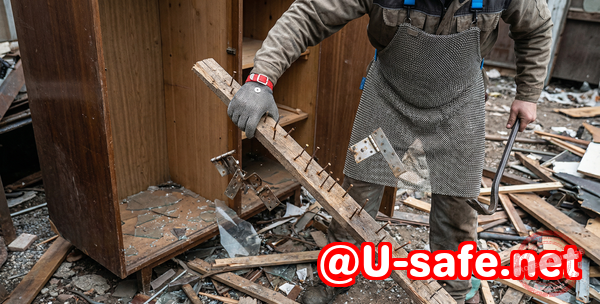
As a buyer, collector, or professional, you need a clear guide to evaluate chainmail’s quality. In this article, I’m going to walk you through everything you need to know to make an informed decision, from inspecting material quality to identifying the right weave patterns. Whether you’re looking for industrial-grade protection, a historical replica, or something for cosplay, I’ve got you covered.
Understanding the Basics: What Makes Good Chainmail?
Before diving into inspection techniques, let’s first establish what makes for high-quality chainmail. At its core, chainmail is all about durability, strength, and protection. It’s a traditional form of armor used for protection, but it has modern-day applications as well, such as cut-resistant gloves for industrial workers or food handlers. Chainmail can be crafted from various materials, but stainless steel is by far the most popular due to its durability and corrosion resistance.
The key factors that determine chainmail’s quality include:
-
材料: What is the chainmail made from? Stainless steel, especially grades 304 and 316, is the most common choice for durable, rust-resistant chainmail.
-
Weave Pattern: How the rings are woven together impacts the strength and flexibility of the armor.
-
Welded vs. Open Rings: This is crucial for durability and safety, especially in industrial settings.
-
Ring Size and Thickness: Affects overall sturdiness and resistance to cuts or other physical stress.
Common Pitfalls When Evaluating Chainmail Quality
If you’ve ever purchased chainmail, you might have faced one of these problems:
-
Welded vs. Open Rings: Open rings are weaker and can easily pull apart under stress. In contrast, welded rings are permanent and more durable, which is why they are preferred for high-quality chainmail.
-
Stainless Steel Grades: Not all stainless steel is created equal. 304-grade stainless steel is fine for many uses, but for more demanding situations, like food processing or heavy-duty industrial use, 316-grade steel is far superior due to its enhanced corrosion resistance.
-
Weave Patterns: While it may seem like all chainmail is the same, the weave pattern plays a significant role in how strong the armor is. European 4-in-1 is one of the most popular and strong weave patterns for chainmail.
By understanding these pitfalls, you can avoid buying low-quality chainmail that doesn’t meet your needs.
Step-by-Step Guide to Inspecting Chainmail
1. Checking the Material Type
When buying chainmail, the material is one of the first things to check. 304 stainless steel is the most commonly used material, but 316 stainless steel offers better protection against corrosion and is ideal for industrial or food-related applications. You can tell the difference by looking for product specifications or asking the seller directly. The difference may seem subtle, but it’s worth ensuring that your chainmail is made from the right grade of steel, especially if you need it for heavy-duty protection.
2. Inspecting Welds vs. Open Rings
One of the most common mistakes buyers make is failing to distinguish between welded and open rings. Welded rings are far stronger and more durable because the edges of the rings are fused together, making them virtually indestructible. Open rings, on the other hand, can pull apart easily, weakening the chainmail.
To check if a ring is welded or open, simply give it a gentle tug. Welded rings should stay intact, while open rings will open slightly or even come apart. For professional or industrial use, welded rings are a must.
3. Wire Thickness and Ring Size
The thickness of the wire and the inner diameter of the rings significantly affect the chainmail’s strength and ability to resist cuts or impacts. High-quality chainmail will feature thicker wire and smaller inner diameters, which contribute to the overall durability of the product. Look for products that specify these measurements, or check if the product feels heavy and substantial.
A simple pull test can help you gauge the wire’s thickness and the durability of the chainmail. If the chainmail feels too lightweight or the rings bend easily, it’s likely made from lower-quality materials.
4. Weave Patterns: European 4-in-1
The weave pattern is also essential in determining the strength of chainmail. European 4-in-1 is one of the most popular and robust patterns, where each ring passes through four others, creating a dense, tight weave that provides maximum protection. If you’re looking for chainmail to be used for protection (like in industrial settings or food processing), a tightly woven pattern like this is crucial.
You can visually inspect the weave by looking at how closely the rings are interwoven. A loose, irregular pattern can indicate poor craftsmanship, whereas a tight, uniform pattern suggests higher quality.
Why Proper Chainmail Inspection Matters
When evaluating chainmail, you may think you’re just checking for aesthetic appeal or durability, but there are other considerations at play:
-
Safety: Low-quality chainmail can be unsafe, especially in industrial or food-related environments. A poorly welded ring or weak weave could lead to accidents or cuts.
-
Cost-Effectiveness: While it’s tempting to go for cheaper options, you often get what you pay for. High-quality chainmail lasts longer, provides better protection, and saves you money in the long run by avoiding the need to replace damaged armor.
-
Application Suitability: Not all chainmail is suitable for all purposes. If you’re buying chainmail for industrial cut protection, you’ll need to ensure it meets the necessary safety standards. If it’s for a cosplay project, a less durable, decorative piece might be fine. Understanding the intended use of your chainmail ensures you’re getting the right product for your needs.
Conclusion: Invest in Quality Chainmail
When it comes to buying chainmail, it’s essential to take the time to properly inspect the product before making a purchase. By checking the material type, inspecting for welded rings, measuring wire thickness, and evaluating the weave pattern, you can ensure that your chainmail is both durable and safe for your intended use. Whether you’re a buyer, collector, or professional, these steps will help you make smarter, more informed decisions.
I highly recommend following these steps to ensure any chainmail purchase meets safety and durability standards. If you’re looking for a reliable guide on evaluating high-quality chainmail, check out our detailed chainmail inspection guide today.
FAQ
How can I tell if a chainmail ring is welded or open?
A welded ring will stay intact when pulled, while an open ring will separate or expand slightly.
Which stainless steel grade is best for long-lasting chainmail?
For industrial or food-related uses, 316 stainless steel is the best choice due to its superior corrosion resistance. 304 stainless steel is adequate for less demanding applications.
How do I inspect the weave pattern for strength?
Look for a uniform and tight weave. The European 4-in-1 pattern is a reliable choice for strength and durability.
What are the signs of low-quality or unsafe chainmail?
Signs include inconsistent welding, weak or open rings, loose weave patterns, and thin wire.
Can decorative chainmail be used for protective purposes?
While decorative chainmail may look good, it often lacks the strength needed for protective purposes, such as cut resistance.
How do I choose the right chainmail for industrial vs. cosplay use?
For industrial use, prioritize chainmail made from welded rings and high-grade stainless steel (like 316). For cosplay, a less durable but aesthetically pleasing weave may suffice.
Tags or Keywords
chainmail quality, welded rings, stainless steel chainmail, cut-resistant chainmail, chainmail inspection, European 4-in-1 weave




 한국어
한국어  Русский
  Deutsch
  العربية