


Chainmail vs High-Performance Fibers HPPE, Kevlar, etc
Chainmail vs High-Performance Fibers HPPE, Kevlar, etc.: Which Offers the Best Protection?
When you’re in the market for protective gear, it’s natural to compare materials. After all, you want to ensure you’re getting the most reliable option for your needs, whether it’s for industrial work, cosplay, or even historical reenactments. If you’ve been considering chainmail, you’ve probably also come across high-performance fibers like HPPE (High-Performance Polyethylene) and Kevlar. While these fibers are known for their strength, how does chainmail measure up, especially when it comes to durability and safety?
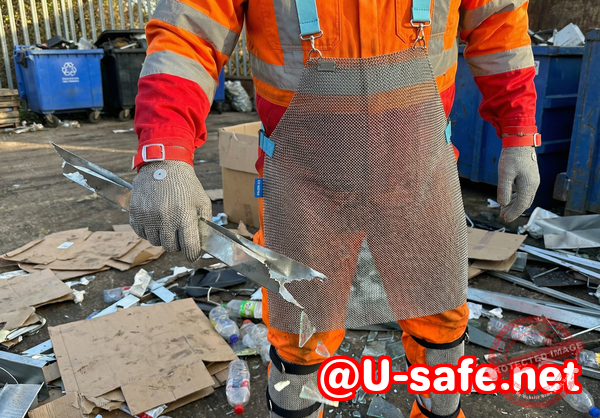
This article will help you evaluate chainmail quality in comparison to these cutting-edge fibers. By understanding the ins and outs of chainmail, you can make a more informed decision on which material is right for your specific needs. I’ll walk you through the key things to look for in chainmail, and why Aegimesh Chainmail stands out as a top choice for both professionals and enthusiasts.
The Challenge of Choosing the Right Protection
Let’s be honestwhen it comes to protective gear, especially for heavy-duty use or historical accuracy, there’s often confusion about what really works. If you’re involved in industrial work, food processing, or even cosplay, finding the right balance between safety, durability, and comfort is key.
Consider a professional in a food processing plant, where safety is paramount. They may need cut-resistant gear, but how do they know whether they’re looking at high-quality chainmail or an imitation? This is a common struggle, especially since low-quality chainmail often fails to live up to its promises of durability.
So how do you tell the difference between high-quality chainmail and something that might not be safe or durable enough for your purposes? That’s where I come in. In this guide, I’ll break down the process of identifying the best chainmail by discussing the things to look out forfrom welded rings and wire thickness to the weave patterns that indicate strength.
Chainmail: Key Considerations for Evaluating Quality
When evaluating chainmail, there are a few common pain points that many buyers face. Let’s dive into the most important ones:
1. Welded Rings vs Open Rings
The most important thing to check when buying chainmail is whether the rings are welded or open. Welded rings are far superior in terms of strength and durability. Why? Open rings, which are simply linked together and not fused, can loosen over time, rendering the chainmail ineffective, especially in high-stress situations.
-
How to inspect: Run your fingers along the rings. Welded rings will feel more solid, with no gaps, while open rings may feel looser.
2. Stainless Steel Grade and Corrosion Resistance
Stainless steel is a common material for chainmail due to its strength and resistance to corrosion. But not all stainless steel is created equal. There are several grades, with 304 and 316 being the most common in chainmail products.
-
304 Stainless Steel: This grade is more affordable but can be more prone to corrosion, especially in harsher environments.
-
316 Stainless Steel: Known for its excellent resistance to rust and corrosion, making it ideal for industrial, food handling, and even marine environments.
-
How to check: If the chainmail is exposed to moisture, check for signs of rust. Chainmail made from 316 stainless steel will hold up much better in damp environments.
3. Wire Thickness and Inner Diameter
Another critical factor to look for is wire thickness and the inner diameter of the rings. A thicker wire and appropriately sized rings help the chainmail maintain its structural integrity. If the wire is too thin or the rings are too large, the chainmail won’t be as protective or durable.
-
How to inspect: Look for consistency in the wire thickness. If any rings appear thinner or the diameter of the rings varies significantly, that’s a red flag.
4. Weave Patterns: European 4-in-1 vs Other Styles
Chainmail comes in different weave patterns, with European 4-in-1 being the most common and reliable for strength. This pattern involves each ring connecting to four others, creating a dense and durable structure. This weave offers high levels of protection while remaining flexible.
-
How to check: Gently bend the chainmail. A high-quality European 4-in-1 weave will offer some flexibility but shouldn’t feel flimsy. If it bends too easily or feels weak, the weave might be poorly constructed.
5. Signs of Low-Quality or Unsafe Chainmail
Low-quality chainmail is often a result of poor craftsmanship or using subpar materials. For instance, chainmail made from soft metals like aluminum may not provide adequate protection for industrial use or in environments where strength is crucial. Other signs of low quality include uneven rings, mismatched sizes, and poor welding.
-
How to inspect: Check the rings for uniformity. If any rings are loose, deformed, or uneven, you’re looking at a subpar product.
The Benefits of Inspecting Your Chainmail
When you take the time to evaluate the quality of your chainmail, you’re doing more than just ensuring it looks good. A proper inspection can save you money and ensure your safety.
-
Avoid Unsafe Products: Low-quality chainmail may fail to protect you in high-risk environments like food processing plants or during intense physical activities.
-
Durability for Long-Term Use: A well-constructed chainmail will last much longer, making it a better investment overall.
-
Protective for Cosplay and Historical Reenactments: You want your chainmail to be durable enough to handle movement and wear, even if it’s for decorative purposes.
-
Save Money: Spotting low-quality chainmail early on means you won’t waste money on products that need to be replaced sooner than expected.
Step-by-Step Chainmail Inspection
To help you evaluate the chainmail you’re considering, here’s a quick guide:
-
Perform a Pull Test: Gently pull the rings in opposite directions to check how tightly they are welded. If they come apart easily, it’s a sign of poor craftsmanship.
-
Look for Corrosion: Check for rust or corrosion, especially if you plan to use the chainmail in wet or humid environments.
-
Assess the Weave: Make sure the weave pattern is consistent. European 4-in-1 is the gold standard, but there are other reliable patterns too, such as 6-in-1.
-
Check Material and Wire Thickness: Verify that the material is stainless steel and that the wire thickness is appropriate for the intended use. For heavy-duty use, 16-18 gauge wire is typical.
-
Inspect for Evenness: Ensure that all rings are uniform in size and shape. Any noticeable irregularities are a sign of a poor product.
Conclusion: Why Chainmail Still Holds Its Ground
While high-performance fibers like HPPE and Kevlar are popular for their cut-resistance, they often fall short when it comes to historical accuracy and the timeless appeal of chainmail. Chainmail, when made with quality materials like 316 stainless steel and constructed with the right techniques (like the European 4-in-1 weave), offers unparalleled durability and protection for a variety of applications.
I highly recommend following the steps I’ve outlined to inspect your chainmail before making any purchase. Whether you’re buying it for industrial use, food safety, cosplay, or as a collector’s item, ensuring it meets the highest standards of quality will not only protect you but also save you money in the long run.
Learn more about identifying high-quality chainmail products: Aegimesh Chainmail Inspection Guide
FAQ
1. How can I tell if a chainmail ring is welded or open?
Welded rings are seamless and sturdy, while open rings have visible gaps that can be pulled apart. Run your fingers along the rings to feel for any looseness.
2. Which stainless steel grade is best for long-lasting chainmail?
316 stainless steel is the best choice for durability and corrosion resistance, making it ideal for industrial and food processing uses.
3. How do I inspect the weave pattern for strength?
European 4-in-1 is a strong weave that connects each ring to four others. Check for flexibility and uniformity. If the weave feels flimsy, the chainmail may not provide adequate protection.
4. What are the signs of low-quality or unsafe chainmail?
Look for signs of corrosion, mismatched ring sizes, loose rings, or uneven welding. These are indicators of poor craftsmanship.
5. Can decorative chainmail be used for protective purposes?
Decorative chainmail may not provide the same level of protection as industrial-grade chainmail, as it may use weaker materials or thinner rings.
6. How do I choose the right chainmail for industrial vs cosplay use?
For industrial use, look for thicker wire, welded rings, and corrosion-resistant materials like 316 stainless steel. For cosplay, aesthetics and weight may be more important, but durability should still be a consideration.




 한국어
한국어  Русский
  Deutsch
  العربية