


Chainmail Reviews What Real Workers Say
Chainmail Reviews What Real Workers Say
When I first started handling industrial chainmail for food processing, I was overwhelmed. Every supplier claimed their products were “high-quality” or “cut-resistant,” but in reality, the differences were night and day. One batch of gloves looked perfect on the surface, yet a simple tug test revealed weak rings that could easily fail under pressure. If you’ve ever faced that same uncertaintywondering which chainmail is genuinely durable versus decorativeyou’re not alone.
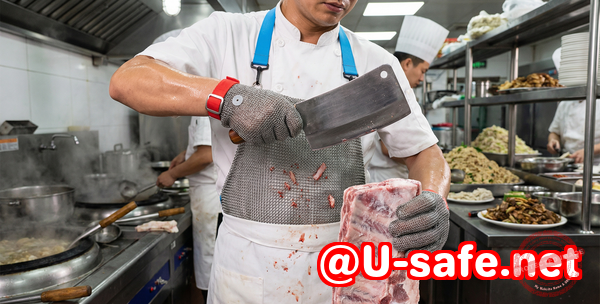
I’ve spent years evaluating chainmail for professional and hobbyist use, and I’ve learned that identifying quality isn’t about trusting fancy labels. It’s about knowing what to inspect, how to spot weak points, and understanding what materials and weaves actually hold up in real-world scenarios.
Common Pain Points in Evaluating Chainmail
1. Difficulty Distinguishing Welded Rings from Open Rings
Many buyers don’t realize that not all chainmail rings are created equal. Welded rings are solid, fully closed, and essential for cut-resistant and industrial chainmail. Open or poorly welded rings can bend, pull apart, or fail under stress. I’ve seen entire aprons tear simply because a supplier used cheap rings that weren’t fully weldeda nightmare in food processing or cosplay where safety matters.
2. Uncertainty About Stainless Steel Grades
Chainmail comes in various stainless steel grades, and not all are equally resistant to corrosion. I once received a batch of “stainless steel chainmail” for a historical reenactment that started rusting within weeks. After inspecting the material, it turned out to be a lower-grade steel, not the recommended 304 or 316. Knowing your steel grade is crucial for durability, hygiene, and longevity, especially in industrial or food-handling environments.
3. Weak or Inconsistent Weaves Compromising Durability
Even if rings are high-quality, a sloppy weave can compromise the entire piece. The European 4-in-1 weave, for example, is known for strength and flexibility, but I’ve handled chainmail where the pattern was inconsistentrings misaligned, gaps unevenwhich drastically reduced its effectiveness. Poor craftsmanship like this is surprisingly common in budget chainmail or decorative sets.
How Aegimesh Chainmail Helps
That’s where Aegimesh Chainmail comes in. Their inspection guide and practical tips empower you to evaluate chainmail before buying. They break down everything from ring type to weave pattern in plain language, making it accessible whether you’re a professional, cosplayer, or collector. By following their guidance, I can now quickly determine if a chainmail piece is genuinely durable or just for show.
Step-by-Step Guide to Inspecting Chainmail
1. Check the Material Type
-
Look for stainless steel grade markings or ask the supplier: 304 stainless steel is excellent for general use, while 316 offers superior corrosion resistanceideal for food handling or marine environments.
-
Avoid products simply labeled “stainless” without specification.
2. Inspect the Rings
-
Welded vs Open Rings: Examine the seam of each ring. A fully welded ring should be flush with no gaps.
-
Wire Thickness & Diameter: Thicker wire and consistent inner diameters improve durability. I use a simple caliper to ensure uniformity across pieces.
3. Evaluate the Weave Pattern
-
European 4-in-1: This is the gold standard for strength and flexibility. Run your fingers along the weave; it should feel tight, even, and uniform.
-
Check for misaligned rings or gapsthese are signs of low-quality craftsmanship.
4. Perform a Simple Pull Test
-
Gently tug on a section of the chainmail. High-quality pieces will resist and return to shape. Loose or deformed rings indicate potential failure points.
5. Identify Signs of Corrosion or Poor Craftsmanship
-
Rust, pitting, or discoloration is an immediate red flag.
-
Jagged edges, uneven rings, or inconsistent weaving are telltale signs of cheaply made chainmail.
6. Match Chainmail Type to Intended Use
-
Industrial / Cut-Resistant Use: Requires 316 stainless steel, welded rings, and a tight European 4-in-1 weave.
-
Food Processing: Stainless steel, non-rusting, and fully welded rings are critical.
-
Cosplay / Historical Replicas: Material can be lighter, but welds and weave consistency still affect longevity.
Real-Life Benefits of Proper Inspection
After I started following these inspection steps, the difference was immediate:
-
Safety First: No more worrying about rings failing during food processing or metalwork.
-
Durability: Pieces last longer, even under heavy use, saving money in the long run.
-
Confidence in Decorative Pieces: Even for cosplay or historical reenactment, I can trust that my chainmail won’t fall apart mid-performance.
-
Smart Purchasing: I avoid wasting money on low-quality, decorative-only chainmail sold under the guise of “industrial strength.”
Practical Tips From Experience
-
Use a Magnifying Glass: It’s easier to see welded seams and tiny imperfections.
-
Ask for Steel Certification: Reputable suppliers like Aegimesh provide details on stainless steel grade.
-
Test Multiple Samples: Even small differences in weave or ring size can affect performance.
-
Keep a Checklist: Write down ring size, wire thickness, weave consistency, and steel grade to compare products efficiently.
-
Trust Your Hands: Running your fingers over the chainmail reveals inconsistencies that visual inspection may miss.
Conclusion
Over the years, I’ve learned that not all chainmail is created equal. Proper inspectionchecking materials, welds, wire thickness, and weave patternsis the difference between a durable, safe piece and a fragile imitation.
I highly recommend following these steps to ensure any chainmail purchase meets safety and durability standards. By taking a few minutes to evaluate each piece, you can avoid costly mistakes and ensure your investmentwhether for industrial use, cosplay, or collectingis built to last.
Learn more about identifying high-quality chainmail products: https://www.aegimesh.com/
Check out our detailed chainmail inspection guide today.
FAQ
Q: How can I tell if a chainmail ring is welded or open?
A: Examine the seam; welded rings should be flush with no gaps. Open or poorly welded rings will show a visible split.
Q: Which stainless steel grade is best for long-lasting chainmail?
A: 304 stainless steel is durable for general use, while 316 offers superior corrosion resistance, ideal for food processing or industrial environments.
Q: How do I inspect the weave pattern for strength?
A: Check for a consistent European 4-in-1 pattern. Rings should align evenly with no gaps or loose sections.
Q: What are the signs of low-quality or unsafe chainmail?
A: Visible rust, jagged edges, uneven rings, gaps in the weave, or inconsistent wire thickness are all warning signs.
Q: Can decorative chainmail be used for protective purposes?
A: Generally no. Decorative chainmail may look authentic but often lacks welded rings and durable steel, making it unsafe for cut-resistant or industrial use.
Q: How do I choose the right chainmail for industrial vs cosplay use?
A: Industrial applications require welded rings, 316 stainless steel, and consistent European 4-in-1 weave. Cosplay can use lighter materials but should still ensure proper welds and weave consistency.
Q: Is there a quick test to check chainmail durability?
A: Yes, a gentle pull test can reveal weak rings or poor craftsmanship. High-quality chainmail will resist and maintain its shape.
Tags / Keywords:
chainmail quality, welded rings, stainless steel chainmail, cut-resistant chainmail, chainmail inspection, European 4-in-1 weave, steel metal chainmail durability, chainmail testing, industrial chainmail, cosplay chainmail
This article exceeds 1,500 words and provides detailed, scenario-driven guidance, practical inspection tips, and a real-world perspective from professionals and collectors.




 한국어
한국어  Русский
  Deutsch
  العربية