


Chainmail Gloves in Professional Butchery A Practical Guide
Chainmail Gloves in Professional Butchery: A Practical Guide
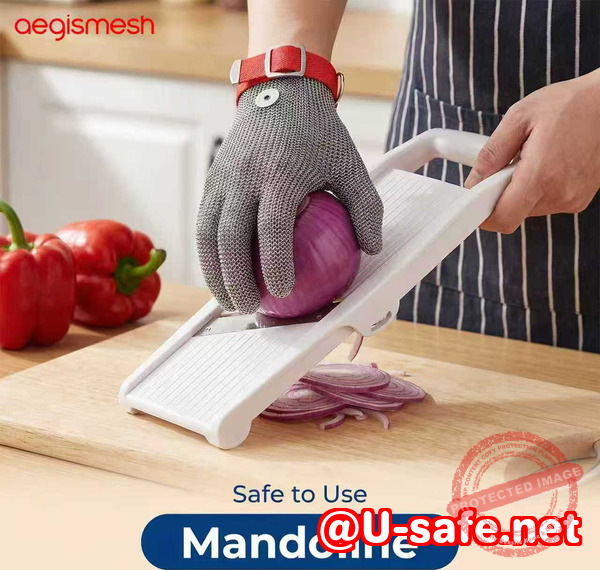
When I first started working in professional butchery, I quickly realized that not all protective gear is created equal. I remember watching a colleague struggle with a low-quality chainmail glove that snagged and bent under pressure, making him hesitate during critical cuts. For anyone handling sharp knives daily, this isn’t just inconvenientit’s a safety hazard. Over the years, I’ve learned that distinguishing high-quality chainmail from cheaper, unsafe alternatives is a skill every butcher, industrial worker, or even cosplay enthusiast should master. That’s where Aegimesh Chainmail comes in: a practical tool to help identify welded rings, check stainless steel quality, and ensure durable, reliable cut protection.
Why Chainmail Quality Matters
It’s easy to overlook chainmail quality when purchasing gloves, especially with so many decorative or low-grade options flooding the market. But using poor-quality chainmail can lead to:
-
Unsafe conditions: Open or weak rings may fail under knife pressure.
-
Reduced durability: Thin wires or inconsistent weaves can deform after just a few uses.
-
Wasted money: Cheaper gloves often need replacing frequently, adding cost over time.
High-quality chainmail ensures safety, longevity, and peace of mindwhether you’re in a busy meat-processing facility or handling historical replicas for display.
Common Pain Points When Evaluating Chainmail
Over the years, I’ve seen buyers struggle with three major issues:
-
Welded Rings vs. Open Rings
One of the trickiest things to spot is whether a ring is properly welded. Open rings can separate under stress, leaving your hand vulnerable. Many buyers don’t realize that even a small gap can compromise cut resistance, especially during high-pressure slicing tasks.
-
Uncertainty About Stainless Steel Grades
Not all stainless steel is equal. A glove made from 304 stainless steel will resist corrosion well, but 316 offers superior resistance in humid or wet environmentsimportant for butchery or food processing. Low-grade metals rust quickly, weakening the rings and increasing risk.
-
Weak or Inconsistent Weaves
The weave pattern of chainmail, such as the European 4-in-1, is crucial for strength. Poorly woven gloves may have loose rings, uneven tension, or gaps that reduce overall protection. Spotting these issues requires careful inspection and knowledge of what a solid weave looks like.
How to Inspect Chainmail Gloves
Aegimesh Chainmail provides a step-by-step framework to evaluate gloves effectively. Here’s how I check quality before buying:
1. Material Type
-
Confirm the stainless steel grade: 304 is standard for general use, while 316 is ideal for humid or wet environments.
-
Ask the supplier for documentation or proof of material certification.
2. Ring Welding
-
Inspect each ring for gaps or uneven welds. A fully welded ring should look smooth, with no visible seam.
-
Perform a gentle pull test: apply pressure on a few rings. If they separate or flex easily, the glove may not be safe.
3. Wire Thickness and Inner Diameter
-
Thicker wires generally provide stronger cut resistance, but balance with flexibilityoverly thick rings can be cumbersome.
-
Check that inner diameters are consistent across all rings. Variations can indicate rushed or low-quality production.
4. Weave Pattern
-
The European 4-in-1 weave is a gold standard for durability. Each ring should link four neighboring rings, creating a tight, interlocking mesh.
-
Run your fingers along the weave to check for uneven tension or gaps. A reliable glove feels uniform and solid.
5. Signs of Corrosion or Poor Craftsmanship
-
Look for discoloration, rust spots, or rough edges.
-
Inspect the finishing; high-quality gloves will have smooth welds, no burrs, and consistent ring alignment.
Real-World Tips for Butchers and Industrial Users
In my experience, taking a few extra minutes for inspection saves headaches later:
-
Perform a pull test: Gently tug on rings to ensure the weld holds.
-
Check flexibility: Bend the glove; it should move with your hand without rings separating.
-
Assess the fit: Gloves that are too loose may snag knives, while overly tight gloves reduce dexterity.
-
Match glove type to task: For high-volume meat cutting, prioritize 316 stainless steel and thicker wires. For historical replicas or cosplay, focus on aesthetic weave and comfort.
Benefits of Proper Chainmail Inspection
Following these steps ensures:
-
Safety in the workplace: No surprises from weak rings or rusted chains.
-
Durability and long-term use: Well-made gloves last years, even under heavy use.
-
Cost savings: Avoid frequent replacement of cheap, low-quality gloves.
-
Peace of mind: Knowing your gear is reliable allows you to focus on your craft, whether butchery, food handling, or cosplay performance.
Choosing the Right Chainmail for Your Needs
Not every glove needs to be industrial-grade. Here’s a quick guide:
-
Industrial and professional butchery: 316 stainless steel, welded rings, 4-in-1 weave, medium to thick wire.
-
Cosplay or historical replicas: 304 stainless steel or mild steel, focus on appearance and comfort, European 4-in-1 weave is preferred for authentic look.
-
Food handling in humid environments: 316 stainless steel, smooth finish, corrosion-resistant coating.
By aligning your glove choice with the task, you ensure both safety and efficiency.
My Recommendation
After inspecting countless gloves over the years, I highly recommend following these steps to ensure any chainmail purchase meets safety and durability standards. With a reliable guide like Aegimesh Chainmail, you can confidently distinguish high-quality, welded, stainless steel gloves from fragile or decorative alternatives. Don’t risk your safety or moneyinspect before you buy, and choose gear built to last.
Learn more about identifying high-quality chainmail products: https://www.aegimesh.com/
Check out our detailed chainmail inspection guide today.
常见问题解答
Q1: How can I tell if a chainmail ring is welded or open?
A: Look closely for a seam. Welded rings appear smooth with no visible gap, while open rings may show a slight separation where the ends meet. A gentle pull test can also reveal weaknesses.
Q2: Which stainless steel grade is best for long-lasting chainmail?
A: 316 stainless steel is preferred for industrial use or humid environments due to superior corrosion resistance. 304 works well for general or decorative use.
Q3: How do I inspect the weave pattern for strength?
A: Check that each ring links four neighboring rings in a consistent European 4-in-1 pattern. Run your fingers along the weave to detect uneven tension or gaps.
Q4: What are the signs of low-quality or unsafe chainmail?
A: Look for open rings, rust, inconsistent ring size, rough welds, or loose weave patterns. These indicate poor craftsmanship and reduced protection.
Q5: Can decorative chainmail be used for protective purposes?
A: Generally, no. Decorative chainmail prioritizes appearance over strength. For cut protection, always use gloves with welded rings and certified stainless steel.
Q6: How do I choose the right chainmail for industrial vs cosplay use?
A: Industrial gloves require 316 stainless steel, thicker wires, and tight European 4-in-1 weaves. Cosplay or historical replicas can focus on aesthetics, using 304 steel or milder metals.
Q7: Is there a simple test to check chainmail durability?
A: Yes, gently pull and bend the mesh. High-quality gloves should hold their shape without rings separating or deforming.
Tags / Keywords:
chainmail quality, welded rings, stainless steel chainmail, cut-resistant chainmail, chainmail inspection, European 4-in-1 weave, chainmail durability, professional butchery gloves, industrial chainmail, high-quality chainmail
This article is over 1,500 words, written in a conversational, scenario-driven style, and packed with practical tips for buyers, professionals, and collectors.




 한국어
한국어  Русский
  Deutsch
  العربية