


Chainmail Arm Guards Designed for Daily Use
Chainmail Arm Guards Designed for Daily Use
When it comes to buying chainmail arm guards, whether for protection, cosplay, or as a collector’s item, it can be surprisingly tricky to tell the difference between high-quality and low-quality products. Many buyers, especially those new to chainmail, find themselves frustrated by flimsy designs that fall apart after a few uses or fail to offer the protection they need. With so many products out there, how can you make sure you’re investing in chainmail that’s durable, safe, and worth your hard-earned money?
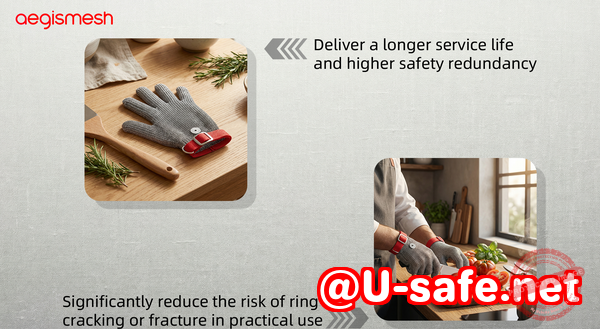
In this guide, I’ll walk you through how to evaluate the quality of chainmail arm guards to ensure they’ll meet your expectations, whether you’re using them in a professional setting, for reenactments, or just as part of a cosplay costume. Let’s dive into the key factors you should be considering when shopping for chainmail, and how to tell the difference between high-end, durable options and low-quality imitations.
Common Pain Points When Evaluating Chainmail
If you’ve spent any time looking for chainmail, you’ve likely faced a few of these common issues:
-
Identifying the type of rings used: You might see terms like ‘welded’ or ‘open rings,’ but how do you know which one is better for your needs?
-
Understanding material quality: Stainless steel is the most common material, but did you know there’s a difference between 304 and 316 grades? One’s more resistant to corrosion than the other.
-
Weave patterns and durability: Not all chainmail weaves are created equal. European 4-in-1 is one of the strongest, but not every chainmail product uses this weave, and it’s important to recognize why it matters.
These challenges can make it hard to feel confident about a purchase. But don’t worry; I’ve got you covered with some practical tips for identifying high-quality chainmail.
Step-by-Step Guide to Inspecting Chainmail Arm Guards
1. Material Type: 304 vs. 316 Stainless Steel
Let’s start with the basics: material. When you’re buying chainmail, the two most common types of stainless steel are 304 and 316. Here’s a quick breakdown:
-
304 Stainless Steel: This is a durable material that works well for most uses, including historical replicas and decorative pieces. However, it’s not the best choice for highly corrosive environments (like food processing).
-
316 Stainless Steel: This is the top choice for industrial and heavy-duty applications. It’s highly resistant to corrosion, making it perfect for environments that involve moisture or exposure to harsh chemicals.
For arm guards that will be exposed to the elements, I strongly recommend opting for 316 stainless steel. It’ll last longer, particularly if you’re using them in more rugged or industrial settings.
2. Ring Construction: Welded vs. Open Rings
A major factor in the durability of chainmail is the construction of the rings themselves. You’ll often come across two types: welded rings and open rings.
-
Welded Rings: The best quality chainmail will use welded rings, where the metal ends are fused together, creating a stronger, more durable connection. This is important for ensuring your arm guards won’t fall apart under pressure.
-
Open Rings: Open rings are more common in cheaper, low-quality products. While they may look okay at first, they don’t provide the same level of strength and durability as welded rings. Over time, they may loosen and fall apart.
A simple way to check this: Look closely at the rings. If you can see a visible gap between the ends of the metal ring, it’s likely an open ring. Welded rings will appear seamless.
3. Wire Thickness and Ring Diameter
Once you’ve confirmed the type of ring used, it’s time to check out the wire thickness and ring diameter. Thicker wires and larger ring diameters generally translate to stronger, more durable chainmail. If the rings are too thin or too small, the weave won’t be as sturdy, and it could break or tear more easily under stress.
-
Wire thickness: For arm guards designed for cut-resistant protection, thicker wire is essential. You don’t want a product with flimsy rings that can easily be compromised.
-
Ring diameter: A good rule of thumb is that the ring diameter should be proportional to the wire thickness. If the diameter is too large relative to the wire, it can create weak spots in the weave.
4. Weave Patterns: European 4-in-1 for Strength
The weave pattern plays a huge role in the overall strength and durability of the chainmail. One of the strongest and most popular patterns is the European 4-in-1 weave.
This pattern involves each ring being linked to four others, creating a strong, tight structure. It’s commonly used for protective gear because it offers superior flexibility and protection without compromising durability.
If the chainmail arm guards you’re considering use a different weave pattern, it’s important to assess whether it provides the level of protection you need. Weaves like 6-in-1 or 8-in-1 are stronger but may not be as flexible, while looser weaves might be better suited for decorative use, but not for anything requiring durability.
Practical Tips for Evaluating Quality
1. Perform a Pull Test
If you’re able to inspect the chainmail in person, try a simple pull test. Grasp a handful of rings and gently pull them apart. High-quality chainmail should feel tightly woven with little to no movement between the rings. If the weave feels loose or the rings start to shift significantly, it’s a sign of poor craftsmanship.
2. Check for Corrosion
Stainless steel is highly resistant to corrosion, but it’s not immune. Especially if the product isn’t made with 316 stainless steel, it could begin to rust after prolonged exposure to moisture. Look for any signs of discoloration, rust spots, or pitting. These are all indicators that the chainmail may not last as long as advertised.
3. Know the Purpose
When buying chainmail, it’s important to understand the intended use. Are you using it for cut protection in a butcher’s shop or a warehouse? For cosplay? Or for historical reenactments? Each use case requires a different level of durability and strength. For industrial applications, I recommend chainmail made with 316 stainless steel and European 4-in-1 weave. For cosplay or decorative pieces, the material may not need to be as robust, but you’ll still want to look for well-made rings and clean craftsmanship.
Conclusion: Choosing the Right Chainmail Arm Guards
To ensure your chainmail arm guards meet safety and durability standards, follow these steps:
-
Look for welded rings over open rings.
-
Choose 316 stainless steel for maximum corrosion resistance.
-
Check for a tight, strong weave pattern like European 4-in-1.
-
Perform a pull test to check the strength and durability.
-
Inspect the rings for signs of corrosion or rust.
By following these simple guidelines, you’ll avoid the frustration of purchasing low-quality chainmail. I highly recommend taking the time to inspect each piece carefully to ensure you’re getting the protection and durability you need. Don’t waste your money on chainmail that will fall apart or fail to meet your needs.
If you’re looking for a high-quality, durable chainmail product, check out our full selection at Aegimesh Chainmail.
Frequently Asked Questions
1. How can I tell if a chainmail ring is welded or open?
Welded rings have no visible gap, while open rings will show a small opening at the ends. If you can easily see a seam, it’s an open ring.
2. Which stainless steel grade is best for long-lasting chainmail?
For maximum durability and corrosion resistance, 316 stainless steel is the best choice. It’s especially ideal for industrial and food-handling applications.
3. How do I inspect the weave pattern for strength?
Look for a tight, even weave, such as European 4-in-1. If the rings are not snugly connected or there are gaps, the weave may not offer sufficient protection.
4. What are the signs of low-quality or unsafe chainmail?
Signs of low-quality chainmail include loose rings, thin wire, rust or corrosion, and weak, inconsistent weaves. Always check these factors before making a purchase.
5. Can decorative chainmail be used for protective purposes?
While decorative chainmail can look great, it’s not usually designed to withstand the same stresses as industrial or cut-resistant chainmail. Make sure you’re choosing the right type for your needs.
6. How do I choose the right chainmail for industrial vs. cosplay use?
For industrial use, prioritize 316 stainless steel and strong weaves like European 4-in-1. For cosplay, focus more on the appearance and comfort, but still check for sturdy craftsmanship.
Tags or Keywords
-
chainmail quality, welded rings, stainless steel chainmail, cut-resistant chainmail, chainmail inspection, European 4-in-1 weave, chainmail durability




 한국어
한국어  Русский
  Deutsch
  العربية