


The Ultimate Industrial Chainmail Buying Checklist
The Ultimate Industrial Chainmail Buying Checklist
When I first started shopping for chainmail for industrial use, I quickly realized it’s not as simple as picking the most “shiny” or expensive piece. There’s a world of differences in quality, durability, and safety that isn’t immediately obvious. I remember opening a package of what was supposed to be professional-grade chainmail, only to find rings that looked welded but were actually slightly open, making them fragile and unsafe. That’s when I knew I needed a systematic way to evaluate chainmail before committing to a purchase.
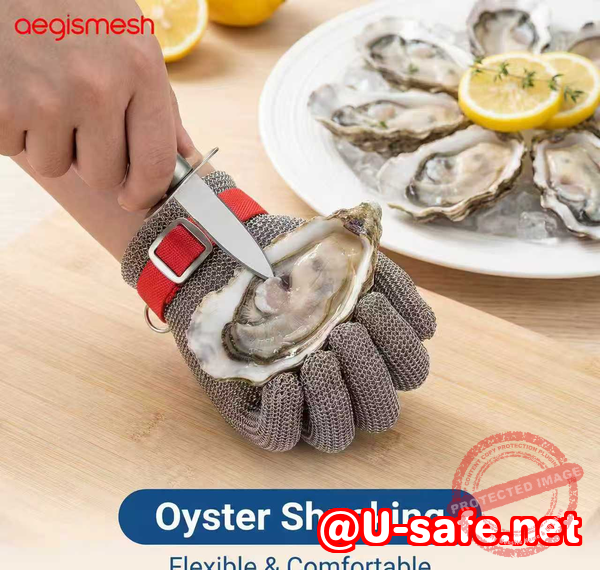
Whether you’re buying for cut protection in a food processing plant, industrial applications, cosplay, or historical replicas, knowing how to inspect chainmail properly can save you money, frustration, and even prevent accidents. Over the years, I’ve relied on Aegimesh Chainmail as a reference guide and tool for spotting quality chainmail from low-grade imitations. Here’s everything I’ve learned to help you make an informed purchase.
Why Evaluating Chainmail Quality Is Tricky
One of the biggest challenges is that chainmail can look good at a glance but hide structural weaknesses. Here are some common pain points I’ve noticed:
-
Welded vs. Open Rings: Many buyers struggle to tell the difference between fully welded rings and rings that are simply closed. Open rings compromise durability, especially under stress or heavy use.
-
Stainless Steel Grade Confusion: Not all stainless steel is created equal. 304 and 316 grades have different corrosion resistance and wear properties, which can affect longevity in wet or acidic environments.
-
Weak or Inconsistent Weaves: Even a chainmail with high-quality rings can fail if the weave is sloppy or uneven. A poor European 4-in-1 weave, for instance, can leave weak spots in protective gear.
Recognizing these issues upfront is crucial, especially if your chainmail is meant to protect against cuts or heavy wear.
Step-by-Step Guide to Inspecting Chainmail
Using Aegimesh Chainmail as a guide, here’s how I personally inspect every piece before buying. These steps apply whether you’re looking at industrial cut-resistant chainmail or decorative cosplay armor.
1. Check the Material
First, verify the stainless steel grade:
-
304 Stainless Steel: Great for general purposes and moderate corrosion resistance. Suitable for cosplay and display, but may wear faster in harsh industrial environments.
-
316 Stainless Steel: Superior corrosion resistance, ideal for food processing, wet environments, and long-term industrial use.
A simple magnet test won’t hurt304 and 316 are usually non-magnetic, so a strong attraction could indicate a different alloy.
2. Inspect the Rings
Rings are the backbone of any chainmail. Here’s what I check:
-
Weld Quality: Look for a seamless connection without gaps. Even a tiny opening can cause rings to split under stress.
-
Wire Thickness & Inner Diameter: Thicker wire generally means more durability. I also check if the inner diameter is consistenttoo small or too large can affect the weave’s strength.
-
Pull Test: Gently tug on a few rings. They should not deform or pop open under reasonable pressure.
3. Evaluate the Weave Pattern
The weave determines how the rings share stress. I focus on:
-
European 4-in-1 Weave: Each ring connects to four others, providing excellent strength and flexibility.
-
Consistency: Check that the pattern is uniform throughout the piece. Uneven or skipped rings reduce structural integrity.
4. Spot Signs of Poor Craftsmanship
Even high-grade steel can fail if manufacturing is sloppy. Watch for:
-
Sharp edges, burrs, or rough surfaces
-
Rings with uneven or inconsistent finishes
-
Evidence of corrosion, discoloration, or weak welds
5. Determine Suitability for Intended Use
Not every chainmail is right for every purpose. Here’s my rule of thumb:
-
Industrial or Food Handling: Go for 316 stainless steel, welded rings, consistent European 4-in-1 weave.
-
Cosplay or Decorative Use: 304 stainless steel is often sufficient, but check welds and weave for durability.
-
Historical Replicas or Collectibles: Authenticity matters, but I still prioritize ring quality and consistency.
Real-Life Benefits of Proper Inspection
I’ve saved myself from a lot of wasted money and frustration by taking these inspection steps seriously:
-
Avoid Unsafe Gear: Poor-quality chainmail can fail when you need it most, especially in industrial settings.
-
Ensure Longevity: Properly inspected chainmail lasts years, even under heavy use.
-
Make Informed Decisions: Knowing how to evaluate materials and craftsmanship helps you buy with confidence, not just based on price or appearance.
One memorable case was when a fellow collector bought a supposedly “premium” chainmail set for display. Upon inspection, several rings were barely closed, and the weave was uneven. Had this been worn in a live reenactment, it could have unraveled. Fortunately, careful inspection revealed the flaws before it was too late.
Practical Tips I Always Use
Here’s a quick checklist I follow every time I inspect chainmail:
-
Magnifying Glass Check: Examine welds closely to confirm they are seamless.
-
Flex Test: Bend a small section to see how the rings move; they should flex but not distort.
-
Corrosion Spotting: Even minor rust or discoloration can indicate subpar steel.
-
Weave Verification: Trace the European 4-in-1 pattern with your finger to ensure uniformity.
-
Contextual Choice: Consider the intended environmentwet, dry, industrial, decorativebefore finalizing the purchase.
These steps take only a few minutes but prevent costly mistakes.
My Recommendation
After years of testing and using chainmail across multiple scenarios, I highly recommend following these steps to ensure any chainmail purchase meets safety and durability standards. High-quality chainmail is an investment, and knowing how to evaluate it protects that investment and your safety.
For a detailed guide and inspection tool, check out Aegimesh Chainmail. This resource has helped me identify welded rings, select the right stainless steel grade, and verify weave strength across all types of chainmailindustrial, cosplay, and collectible.
Take a few minutes to perform these inspections before you buy. It makes all the difference between a fragile, disappointing piece and a durable, reliable one that lasts for years.
FAQ
Q1: How can I tell if a chainmail ring is welded or open?
A1: Examine the ring seam closelywelded rings have a seamless join, while open rings show a small gap or weak closure. A magnifying glass helps.
Q2: Which stainless steel grade is best for long-lasting chainmail?
A2: 316 stainless steel offers superior corrosion resistance and durability, ideal for industrial or food-processing use. 304 is acceptable for decorative or cosplay purposes.
Q3: How do I inspect the weave pattern for strength?
A3: Focus on the European 4-in-1 weave. Each ring should link to four others consistently, forming a uniform, dense structure.
Q4: What are the signs of low-quality or unsafe chainmail?
A4: Look for open or poorly welded rings, uneven wire thickness, inconsistent weave, sharp edges, and early signs of corrosion.
Q5: Can decorative chainmail be used for protective purposes?
A5: Not safely. Decorative chainmail often uses thinner wire and open rings, making it unsuitable for industrial or cut-resistant applications.
Q6: How do I choose the right chainmail for industrial vs cosplay use?
A6: Industrial use demands welded rings, thicker wire, consistent European 4-in-1 weave, and corrosion-resistant steel. Cosplay can prioritize aesthetics, using thinner or less durable materials.
Q7: Is there a simple test to check chainmail durability?
A7: Yesperform a gentle pull test on several rings. They should withstand reasonable tension without opening or bending.
Keywords
chainmail quality, welded rings, stainless steel chainmail, cut-resistant chainmail, chainmail inspection, European 4-in-1 weave, steel metal chainmail durability
Learn more about identifying high-quality chainmail products: https://www.aegimesh.com/
Check out our detailed chainmail inspection guide today.





 한국어
한국어  Русский
  Deutsch
  العربية