


Cut-Resistant Stainless Steel Chainmail A Revolutionary Safety Measure
Cut-Resistant Stainless Steel Chainmail: A Revolutionary Safety Measure
When you’re on the hunt for chainmail, whether for industrial safety, cosplay, or historical displays, the task of identifying high-quality pieces can feel like trying to find a needle in a haystack. Have you ever found yourself staring at two seemingly identical sets of chainmail and wondering, “How do I know which one is the real deal?”
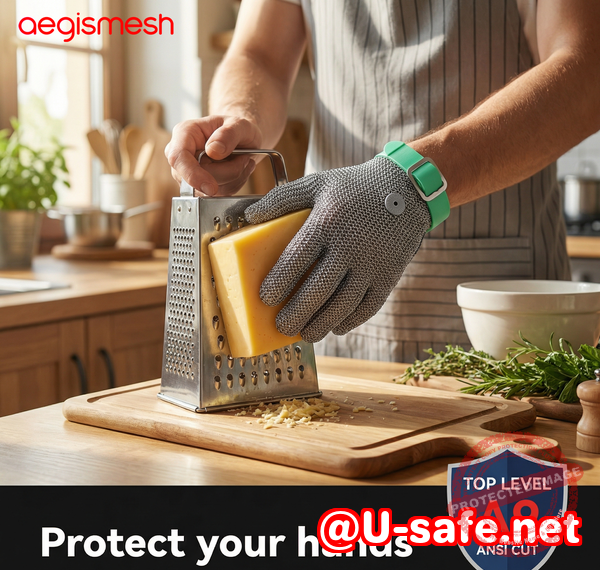
This confusion is not only frustrating, it can also lead to dangerous purchases, especially when it comes to protective gear. Low-quality chainmail can fail under stress, put you at risk, or simply not live up to your expectations. So how do you avoid the pitfalls? Let me walk you through the process of evaluating the quality of chainmail, helping you make safer, smarter, and more informed decisions for your needs.
Why Chainmail Quality Matters
Before we dive into the details, let’s establish why chainmail quality is so important. When we talk about chainmail, we’re referring to interwoven metal rings that provide protection from cuts, abrasions, and even some forms of impact. The primary concern for most buyers is its reliability. Whether you’re using it for food processing, industrial cut protection, or even historical reenactments, weak or low-quality chainmail can pose safety risks and be an expensive mistake.
In this article, I’ll guide you through the critical inspection points that can help you identify high-quality, durable chainmailand save you from low-quality products that are all too common in the market today.
Common Chainmail Mistakes and How to Avoid Them
Many people, especially first-time buyers, are often tricked by visual appeal alone. You might come across chainmail that looks beautiful but doesn’t hold up in terms of performance. Here are some common mistakes to watch out for:
1. Not Checking for Welded vs. Open Rings
One of the most basic but crucial distinctions in chainmail is whether the rings are welded or open. Welded rings are much stronger because they’re permanently fused together, while open rings can easily come apart under pressure. You may not realize this at first glance, but it makes all the difference when it comes to durability and safety.
Tip: Always ask about the manufacturing process. A simple tug test can also helpif the rings shift or fall apart when pulled, it’s an open-ring weave.
2. Choosing the Wrong Stainless Steel Grade
You’ll often see stainless steel chainmail, but the grade of steel used is critical to its performance. Most high-quality chainmail uses either 304 or 316 stainless steel. 316 is more resistant to corrosion and rust, making it a better choice for industrial and food processing environments, while 304 is a good option for lighter uses like cosplay.
Tip: When inspecting a chainmail product, always inquire about the steel grade. If you’re using it in a harsh environment or for industrial purposes, opt for 316 stainless steel.
3. Ignoring the Weave Pattern
The weave pattern, such as the popular European 4-in-1, is crucial to the strength and flexibility of the chainmail. A poor or inconsistent weave pattern could compromise the chainmail’s ability to protect. A good weave should be tight, consistent, and designed to distribute force evenly across the material.
Tip: Take a close look at the weave. It should be uniform with no gaps or irregularities. If you’re unsure, asking the manufacturer about the weave type will give you an idea of the product’s quality.
How to Inspect Chainmail: A Step-by-Step Guide
Now that we’ve covered the most common pitfalls, let’s talk about how to properly evaluate chainmail. You don’t need to be an expert to spot the good stuff, just a bit of attention to detail.
1. Inspecting the Material: 304 vs 316 Stainless Steel
When you’re purchasing stainless steel chainmail, knowing the difference between 304 and 316 grades is essential.
-
304 Stainless Steel: This is the most commonly used steel for chainmail, offering good resistance to corrosion and durability for general use. However, it’s not as resistant to saltwater and harsher environmental conditions.
-
316 Stainless Steel: Known for its superior corrosion resistance, especially in harsher environments like food processing or industrial settings, 316 is often the better choice for environments that involve exposure to moisture or chemicals.
Quick Test: You won’t be able to tell the difference just by looking, but asking for detailed product specs or a certificate of authenticity from the manufacturer can help. If you need a quick test, ask the supplier for a small sample or test piece.
2. Checking the Ring Welding and Thickness
A critical step in assessing chainmail quality is checking the rings for welding. Welded rings are far stronger than open rings, and while open rings can easily detach over time, welded rings maintain their structure and integrity.
-
Ring Thickness: The thickness of the wire used also matters. Thicker rings are typically stronger and can withstand more pressure, but they may also make the chainmail heavier.
Quick Tip: Perform a gentle pull test to ensure the rings don’t separate easily. Look closely at the edges of the rings to see if they show signs of welding.
3. Evaluating the Weave Pattern
Weaving styles vary from one piece of chainmail to another, but the European 4-in-1 weave pattern is one of the strongest and most commonly used designs for chainmail, especially in protective gear. This type of weave involves four rings passing through one central ring, distributing stress more evenly and providing excellent coverage.
Quick Test: Check if the weave is tight and consistent. A sloppy or inconsistent weave pattern often indicates poor craftsmanship and weak spots in the material.
4. Identifying Signs of Corrosion or Poor Craftsmanship
While stainless steel is resistant to rust, it’s not immune. Poor quality chainmail made from low-grade steel can show signs of corrosion or tarnishing over time. Look for any discoloration or irregularities that could indicate weak spots or exposure to the elements.
Quick Tip: If the chainmail feels rough or gritty on the surface, it might be a sign of rust or poor manufacturing.
5. Testing for Flexibility and Durability
One of the most overlooked aspects of chainmail inspection is flexibility. Chainmail should be able to bend and flex without breaking. Overly rigid or brittle chainmail might look good, but it’s prone to cracking under stress.
Quick Test: Bend the chainmail and apply some pressure. If it snaps or doesn’t return to its original shape, it’s a sign of poor quality.
The Benefits of Choosing High-Quality Chainmail
Investing in high-quality chainmail might cost a bit more upfront, but the benefits are undeniable. Here’s why quality should always come first:
-
Safety: For industrial or food-processing uses, cheap chainmail can pose serious safety risks. A low-quality chainmail piece may break under pressure, leading to injury or accidents.
-
Durability: High-quality chainmail, especially made with welded rings and top-grade stainless steel, can withstand the rigors of everyday use, saving you money in the long run.
-
Aesthetics: When purchasing chainmail for cosplay or historical replicas, you want a product that looks authentic. Poor-quality chainmail can appear flimsy or unconvincing.
Conclusion: Making the Right Choice
Whether you’re buying chainmail for protection, display, or collecting, it’s essential to ensure the product meets high standards of safety and durability. By following the inspection tips in this article, you can avoid common pitfalls and make a more informed decision.
I highly recommend following these steps to ensure any chainmail purchase meets safety and durability standards. To learn more about identifying high-quality chainmail, check out our detailed inspection guide and get tips on how to assess every aspect of chainmail quality.
Learn more about identifying high-quality chainmail products: Aegimesh Chainmail
常见问题解答
1. How can I tell if a chainmail ring is welded or open?
Look for the seam or edges of the ring. Welded rings will have a smooth, seamless connection, while open rings show visible ends that can be pulled apart.
2. Which stainless steel grade is best for long-lasting chainmail?
316 stainless steel is the best choice for environments where corrosion is a concern, such as food processing or industrial applications. For lighter uses, 304 steel is suitable.
3. How do I inspect the weave pattern for strength?
The weave should be tight and uniform, with no gaps between the rings. The European 4-in-1 weave is a good indicator of strength.
4. What are the signs of low-quality or unsafe chainmail?
Look for inconsistent ring welding, weak weaves, rust or tarnishing, and irregular ring thickness. These can all indicate poor craftsmanship.
5. Can decorative chainmail be used for protective purposes?
Decorative chainmail is typically weaker and not designed for protection. Always check the material and welding before using it for safety purposes.
6. How do I choose the right chainmail for industrial vs cosplay use?
For industrial use, prioritize 316 stainless steel with welded rings. For cosplay, 304 stainless steel with a lighter, more flexible weave may be sufficient.




 한국어
한국어  Русский
  Deutsch
  العربية