


Material Selection for Chainmail Steel vs Stainless Steel
Material Selection for Chainmail: Steel vs Stainless Steel
When purchasing chainmail for protection or display, many buyers face a common problem: how do you know which products are genuinely high-quality? Whether you need it for industrial use, food handling, cosplay, or as a collector’s item, distinguishing between durable, reliable chainmail and low-quality imitations can be challenging. The stakes are especially high when safety is involvedimproper chainmail could leave you vulnerable to cuts or fail to withstand the rigors of its intended use.
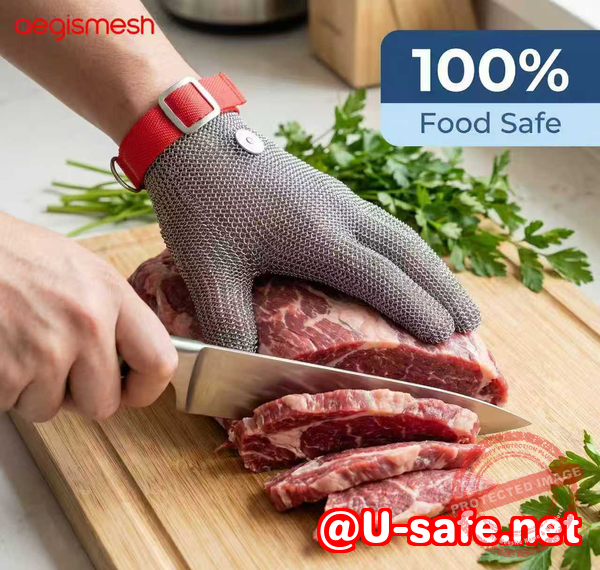
Fortunately, understanding the material selection is a great place to start. In this guide, I’ll walk you through the key differences between steel and stainless steel chainmail, helping you evaluate product quality based on a few crucial factors. By the end, you’ll know how to make informed choices and avoid poor-quality purchases.
Common Chainmail Challenges: How to Spot Quality
When evaluating chainmail, buyers often run into a few common pain points:
-
Welded vs Open Rings: Not all rings are created equal. Some manufacturers use open rings, which are more likely to fall apart or show signs of weakness, especially under stress.
-
Choosing the Right Steel Grade: It can be difficult to understand the significance of stainless steel grades like 304 and 316. Different grades have varying levels of corrosion resistance, and using the wrong one could result in rust or deterioration.
-
Weave and Strength: Not all weaves are created equal in terms of strength. The weave pattern is key to ensuring the chainmail can withstand its intended use, be it for protection or decoration.
Let’s break these down and explore how to inspect chainmail to avoid these common mistakes.
Aegimesh Chainmail: A Quick Introduction
At Aegimesh, we’ve designed a product that helps buyers like you identify and select high-quality chainmail. Our guide and inspection tool are designed for professionals, collectors, and anyone looking for durable, safe chainmail. Whether you’re using it for industrial cut protection, cosplay, or historical reenactments, this guide will help you spot low-quality products and ensure you get the best value for your money.
How to Inspect Your Chainmail: A Step-by-Step Guide
1. Check the Material: Steel vs Stainless Steel
The first step in evaluating chainmail quality is understanding the material. While both steel and stainless steel are durable, there’s a big difference in their properties.
-
钢: Regular steel is susceptible to rust, making it less ideal for environments where moisture is common. If you live in a humid climate or need chainmail for food processing, steel may not hold up as well as stainless steel.
-
Stainless Steel: Stainless steel, particularly grades like 304 and 316, offers superior corrosion resistance. Grade 304 is perfect for decorative or cosplay uses, while grade 316 is ideal for industrial use or food processing. The 316-grade stainless steel is more resistant to rust, making it more durable in harsh environments.
2. Inspect the Rings: Welded or Open?
One of the easiest ways to assess the quality of chainmail is by looking at the rings. High-quality chainmail uses welded rings that provide a secure, strong connection between each ring, ensuring long-term durability. On the other hand, some lower-quality options may use open rings, which can weaken over time, especially if they’re exposed to heavy stress.
-
Welded Rings: These rings are fused together, creating a permanent bond. They’re essential for chainmail that will see any kind of wear, whether in industrial applications or for combat reenactments.
-
Open Rings: These are rings that are simply linked together, often with a weak joint that could unravel with force or wear. Open rings are generally unsuitable for protective uses.
To check, gently pull a few rings apart to see if they’re welded shut. If they’re easily pulled apart, you’ve got open rings.
3. Evaluate the Wire Thickness and Inner Diameter
The thickness of the wire used in the rings plays a significant role in the strength of the chainmail. Thicker wire means a stronger chainmail product. Look for products that specify the wire gauge, as this will tell you the actual thickness of the material.
-
Wire Thickness: Ideally, you want the wire to be at least 0.8mm for industrial uses, such as cut protection or food handling. For cosplay or decorative purposes, a thinner wire might suffice, but thicker wire will still be more durable.
-
Inner Diameter: This refers to the hole size within each ring. If the inner diameter is too large, the chainmail will be looser and less effective in protecting against cuts. Too small, and it may become difficult to move or uncomfortable to wear. The ideal inner diameter will depend on the intended use, but for industrial use, a tighter ring size is better.
4. Inspect the Weave Pattern
A key aspect of chainmail quality is the weave pattern. The most common and strongest pattern is the European 4-in-1 weave, which connects each ring to four others. This pattern provides excellent strength and flexibility, ideal for both protective and decorative purposes.
-
European 4-in-1 Weave: Known for its durability and classic aesthetic, this pattern is used for high-quality protective chainmail. Whether it’s for historical reenactment or cut-resistant gloves, this weave is one of the strongest you can get.
-
Other Weaves: Other patterns, like the 6-in-1 or 8-in-1, may be used in specialized chainmail, but the European 4-in-1 is by far the most reliable for general-purpose use.
You can inspect the weave by simply looking at the rings to check how many other rings each one connects to. If a ring connects to only two or three others, you’re looking at a weaker, less durable weave.
5. Perform a Pull Test
One of the simplest ways to check chainmail quality is by doing a pull test. Take a handful of rings and pull them apart. Good chainmail should resist any stretching or pulling. If the rings start to pull apart or bend under light pressure, the chainmail might be poorly made.
6. Check for Corrosion or Poor Craftsmanship
Low-quality chainmail may have rust spots, weak welds, or inconsistent weave patterns. If you spot any of these signs, the chainmail may not be safe for use. In the case of industrial or food processing chainmail, rust could even pose a health risk.
Make sure to inspect the product carefully for any signs of wear or damage. If you’re buying online, make sure the seller provides clear images of the product, or ask for detailed photos if you’re unsure.
Conclusion: How to Avoid Low-Quality Chainmail
After reading this, you’ll be able to easily assess the quality of any chainmail you come across. Whether you’re buying it for cosplay, historical purposes, or industrial use, following these simple inspection steps will help you avoid unsafe purchases and get the durability you need.
I highly recommend following these steps when evaluating chainmail. By checking the material, inspecting the rings, evaluating wire thickness and weave patterns, and performing simple tests, you can ensure that you’re investing in high-quality, safe, and durable chainmail.
Learn more about identifying high-quality chainmail products: Aegimesh Chainmail Guide
常见问题解答
-
How can I tell if a chainmail ring is welded or open?
-
Check the ring’s edges. If the ends are fused together, it’s welded. If they’re just linked, it’s open.
-
-
Which stainless steel grade is best for long-lasting chainmail?
-
Grade 316 is the best choice for long-lasting durability, especially in harsh environments like industrial settings. Grade 304 works well for decorative or cosplay purposes.
-
-
How do I inspect the weave pattern for strength?
-
Look for a consistent European 4-in-1 weave, where each ring connects to four others. This ensures the chainmail is strong and reliable.
-
-
What are the signs of low-quality or unsafe chainmail?
-
Look for rust, weak welds, inconsistent weaves, or rings that pull apart easily. These are signs of low-quality construction.
-
-
Can decorative chainmail be used for protective purposes?
-
Decorative chainmail, while beautiful, may not provide the same level of protection as industrial-grade chainmail. Always ensure it meets safety standards before using it for protection.
-
-
How do I choose the right chainmail for industrial vs cosplay use?
-
For industrial use, go for thicker wire and a stronger weave pattern, like European 4-in-1 with grade 316 stainless steel. For cosplay, you can opt for thinner wire and a more lightweight design.
-
Tags or Keywords: chainmail quality, welded rings, stainless steel chainmail, cut-resistant chainmail, chainmail inspection, European 4-in-1 weave.




 한국어
한국어  Русский
  Deutsch
  العربية