


Chainmail Arm Guards for Food Processing Safety
Chainmail Arm Guards for Food Processing Safety: How to Identify Quality and Ensure Durability
When you think of chainmail, your mind may wander to medieval knights, cosplay warriors, or even historical reenactments. But did you know that chainmail also plays a crucial role in industries like food processing? That’s right high-quality chainmail arm guards are an essential piece of safety gear for workers handling sharp tools, knives, and other cutting instruments in food production environments. The challenge is, finding the right type of chainmail can be daunting. With so many options out there, how can you be sure you’re choosing a product that will actually protect you and stand the test of time?
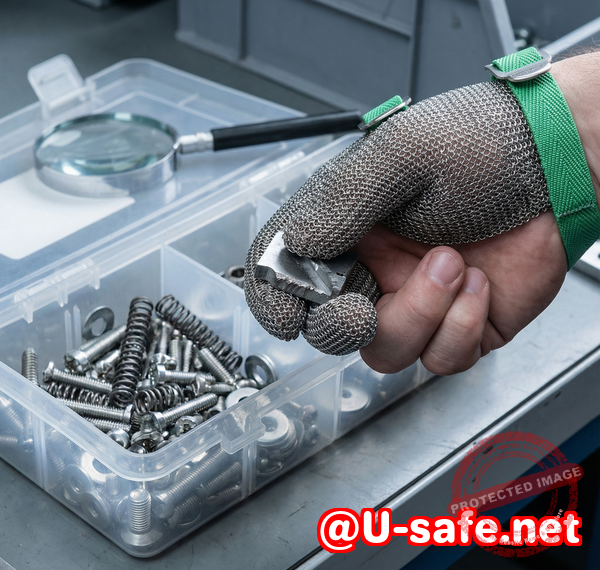
If you’ve ever found yourself asking, “How do I know if this chainmail is good quality?” you’re not alone. Many buyers, whether they are industrial users, collectors, or cosplayers, face this very dilemma. The truth is, low-quality chainmail products are all too common, and they can compromise safety and durability. So, how do you avoid wasting your money on subpar pieces? Let’s dive into the key features that make up high-quality chainmail, specifically designed for food processing safety, and I’ll walk you through how to evaluate and inspect these products effectively.
Common Chainmail Pitfalls: What to Watch Out For
Before we get into the nitty-gritty of how to evaluate chainmail quality, let’s first discuss some common pain points. These are the issues many buyers face when choosing chainmail, particularly in industrial or food-processing applications.
-
Welded vs. Open Rings
One of the most important factors when evaluating chainmail is the type of rings used. You’ll often come across two types: welded rings and open rings. The difference might seem minor at first glance, but trust me it’s a big deal. Welded rings are stronger, more durable, and far less likely to separate, which is a crucial consideration when you’re using chainmail for protection. Open rings, on the other hand, can easily break apart under pressure, leaving your arm unprotected. When purchasing for food processing or industrial use, you must ensure you’re getting welded rings, as they provide the level of safety you need.
-
Stainless Steel Quality
Another tricky issue is the type of stainless steel used in the chainmail. There are different grades, but for durability and corrosion resistance, you want to look for products made from 304 or 316 stainless steel. The 316 grade is particularly important if you’re dealing with highly corrosive environments, such as when the chainmail is exposed to water or food acids during processing. The last thing you want is a pair of arm guards that start rusting after just a few uses!
-
Inconsistent Weave Patterns
The way the chainmail is woven together also plays a role in its strength and durability. The European 4-in-1 weave is widely considered the gold standard for strength. This pattern offers excellent flexibility and resistance to cuts, making it ideal for protection in food processing settings where sharp knives and tools are in use. When evaluating a piece of chainmail, make sure the weave is tight and even, with no gaps that could compromise its protective qualities.
Now that we’ve addressed the common pitfalls, let’s move on to the solution: how to properly inspect chainmail for quality.
How to Inspect Chainmail for Quality: A Simple Guide
To help you avoid low-quality chainmail, here’s a step-by-step guide on how to inspect a piece before making your purchase. Whether you’re buying for professional use or as a collectible, these tips will ensure you make an informed, safe, and durable choice.
1. Check the Material
The first thing to look for is the type of material used. As mentioned earlier, 304 and 316 stainless steel are the two most common and durable options. To check for this, you can ask the supplier for material certification or simply look for clear labeling.
-
304 Stainless Steel: Resistant to rust but not as much as 316. Great for general use.
-
316 Stainless Steel: Best for high-corrosion environments, offering superior durability, especially in food processing.
2. Inspect the Rings: Welded vs. Open
The next step is to inspect the rings. Look closely at how the rings are connected welded rings should show a seamless connection, while open rings will have visible gaps.
-
Welded Rings: Strong and secure, providing a durable, safe product.
-
Open Rings: Prone to separation and wear, compromising safety.
3. Evaluate the Weave Pattern
Take a moment to look at the weave pattern of the chainmail. For industrial and food processing applications, you should be looking for a European 4-in-1 weave. This pattern is widely regarded as one of the strongest and most durable, providing excellent cut resistance while still offering flexibility and comfort.
-
European 4-in-1: Strong and flexible, offering the best balance of protection and comfort.
-
Other Weaves: May be suitable for decorative purposes but might not hold up under stress or exposure to sharp objects.
4. Examine the Wire Thickness and Ring Diameter
Finally, check the thickness of the wire used and the diameter of the rings. A thicker wire and smaller ring diameter typically mean better protection. Thin wires and large rings might not provide adequate protection against sharp blades.
-
Thicker Wire: More durable, provides better protection.
-
Smaller Rings: Ensure better cut resistance and a tighter weave.
5. Perform the Pull Test
One easy way to test the durability of chainmail is the pull test. Gently pull the chainmail in different directions. If the rings separate or the weave comes loose, it’s a sign of poor craftsmanship. A high-quality product will not come apart under normal pulling pressure.
6. Look for Signs of Corrosion
Corrosion can quickly ruin the functionality of chainmail. Check for any signs of rust, discoloration, or pitting. Rust is especially problematic if the chainmail is made from low-quality stainless steel or has been poorly maintained. A high-quality product should resist corrosion and stay strong over time.
Why Inspection Matters: The Benefits of Choosing Quality Chainmail
When you invest in high-quality chainmail, you’re not just buying a protective piece of gear you’re ensuring safety, durability, and longevity. Here’s why performing a thorough inspection matters:
-
Avoid Unsafe Purchases
Low-quality chainmail can put you at risk, especially in food processing where sharp knives and tools are used. Poor craftsmanship, weak welds, and inferior materials can all compromise the protection chainmail is meant to offer.
-
Save Money
By identifying low-quality products early, you can avoid wasting money on gear that will break or degrade quickly. You may pay a bit more upfront for high-quality chainmail, but it will last longer and perform better, saving you money in the long run.
-
Ensure Durability
Chainmail designed for industrial use needs to withstand repeated exposure to cutting tools, sharp edges, and harsh environments. Properly inspecting and choosing the right product ensures that it will stand the test of time.
-
Make Informed Choices
Whether you’re purchasing chainmail for cosplay or historical reenactments, knowing what to look for ensures that you’re getting a product that meets your needs. A well-made chainmail piece not only looks great but will last through many uses.
Conclusion: Invest in Quality Chainmail for Safety and Durability
As someone who’s been in the business of evaluating chainmail for years, I can confidently say that inspecting chainmail before purchasing is one of the best ways to ensure you’re getting a high-quality, safe product. I highly recommend following the steps outlined in this guide to inspect chainmail for welded rings, material quality, ring diameter, weave pattern, and wire thickness. Doing so will give you peace of mind knowing that the chainmail you’re purchasing meets industry standards for durability and safety.
Ready to make the right choice? Check out our detailed chainmail inspection guide and learn more about identifying high-quality chainmail products at Aegimesh.
FAQs: Your Chainmail Questions Answered
-
How can I tell if a chainmail ring is welded or open?
Look for a seamless connection on the rings welded rings will have no visible gaps, while open rings will show a small space where the ends meet.
-
Which stainless steel grade is best for long-lasting chainmail?
For industrial or food processing use, 316 stainless steel is best due to its superior resistance to corrosion.
-
How do I inspect the weave pattern for strength?
The European 4-in-1 weave is the best for durability and protection. Check for tight and even weaves, with no gaps or inconsistencies.
-
What are the signs of low-quality or unsafe chainmail?
Weak welds, visible gaps in the rings, rust, or inconsistent weave patterns are all signs of low-quality chainmail.
-
Can decorative chainmail be used for protective purposes?
Decorative chainmail may not provide adequate protection. Always check for strong, welded rings and the right weave pattern before using it for safety purposes.
-
How do I choose the right chainmail for industrial vs. cosplay use?
For industrial use, prioritize strength and durability, such as 316 stainless steel and European 4-in-1 weave. For cosplay, comfort and appearance might be more important, but quality still matters.
-
Is it safe to use chainmail for food processing?
Yes, if it’s made from high-quality materials like 316 stainless steel, with welded





 한국어
한국어  Русский
  Deutsch
  العربية