


Chainmail Aprons Designed for Daily Industrial Use
Chainmail Aprons Designed for Daily Industrial Use
When purchasing chainmail for industrial or professional use, it’s easy to feel overwhelmed by the sheer number of options available. Whether you’re looking for cut-resistant protection in a food-processing plant or investing in historical replicas for your cosplay collection, the task of ensuring you’re buying high-quality chainmail can be tricky. How can you tell if the product you’re eyeing is truly up to the task? How do you avoid making costly mistakes by purchasing low-quality or unsafe chainmail?
As someone who has been through the process of evaluating various chainmail products, I understand the struggle. In this article, I’ll guide you through the steps to properly inspect chainmail products, whether you’re looking for a reliable industrial apron or a piece for personal use. Together, we’ll cover the core elements that determine quality and durability. With these insights, you’ll be well-equipped to make an informed, safe purchase.
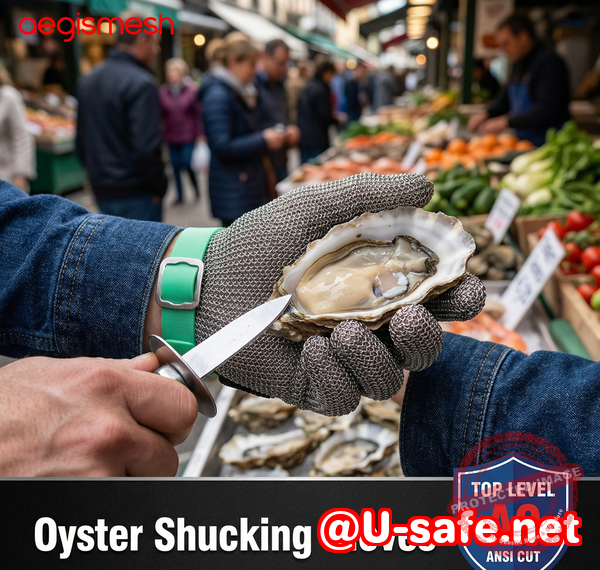
Understanding Chainmail Quality
Before diving into inspection methods, it’s important to understand what makes chainmail stand out in terms of protection and durability. The primary elements that define quality in chainmail include:
-
材料: Stainless steel is the most common material used for high-quality chainmail, and understanding the differences between grades is essential.
-
Ring Type: The difference between welded and open rings can significantly affect the strength and longevity of chainmail.
-
Weave Pattern: The way the rings are woven together determines how strong and flexible the chainmail will be.
The Common Challenges in Evaluating Chainmail
Many buyers, especially those new to chainmail products, struggle to assess the quality of the items they are considering. Here are a few common issues:
-
Distinguishing Welded Rings from Open Rings:
This is a huge concern because welded rings offer much greater strength and durability than open rings. Open rings, while cheaper, can easily pull apart over time, making them unsafe for industrial use.
-
Confusion About Stainless Steel Grades:
Not all stainless steel is the same. While 304 stainless steel is commonly used in many applications, it’s 316 stainless steel that offers superior resistance to corrosion, making it ideal for industrial and food processing environments.
-
Weak or Inconsistent Weaves:
A weak or uneven weave pattern can compromise the protection chainmail offers. Weave styles like the European 4-in-1 pattern are known for their strength, but poor craftsmanship can make even the best patterns ineffective.
These are just a few pitfalls buyers face, but the good news is, you can avoid them. Let’s take a closer look at the key inspection steps you can use to evaluate chainmail products and make sure you’re getting the best for your needs.
Aegimesh Chainmail: Your Guide to High-Quality Chainmail
At Aegimesh, we believe that the key to avoiding these pitfalls lies in knowledge. Our detailed guide walks you through the exact methods for inspecting chainmail, from evaluating the material and welds to understanding the weave patterns. Here’s a breakdown of how you can assess chainmail quality:
1. Material: Stainless Steel Grades 304 vs 316
When it comes to chainmail, especially for industrial use, the type of stainless steel used is critical. Let’s compare the two most common grades:
-
304 Stainless Steel: This is a versatile and corrosion-resistant steel suitable for many applications, but it is not ideal for high-corrosion environments like those in the food industry. It’s a good choice for decorative items or non-exposed wear.
-
316 Stainless Steel: Known for its excellent resistance to corrosion, 316 is the best option for industrial settings, especially when dealing with food or chemicals. It is far more durable and resistant to rust and corrosion, ensuring your chainmail will last longer and remain hygienic.
To check the material, inspect the product for any signs of discoloration or pitting, which can be a sign of low-grade stainless steel. For the best results, I highly recommend opting for 316 stainless steel for any industrial or food-processing applications.
2. Welded Rings vs Open Rings
Chainmail with welded rings is far superior in terms of durability and strength. The rings should be permanently fused together, forming a solid connection that won’t easily break apart. Open rings, on the other hand, are simply bent shut and can often be pulled apart with a little force.
To check whether a chainmail product uses welded or open rings, look closely at the individual rings. If you see a visible seam, it’s likely an open ring. A welded ring should appear smooth with no visible gaps or joins.
3. Wire Thickness and Inner Diameter
The thickness of the wire used in chainmail impacts both its flexibility and its resistance to cuts or impacts. For industrial chainmail, look for a wire thickness that is at least 1.5mm to 2mm thick. This ensures it will hold up to daily wear and tear. The inner diameter of the rings is also crucialtoo small, and the weave will be too tight and stiff; too large, and the product won’t offer the protection you need.
4. Weave Pattern: European 4-in-1
The European 4-in-1 weave is a common, high-quality pattern that provides both strength and flexibility. This weave is characterized by four rings woven into each ring, creating a tight, stable structure. This type of weave is ideal for industrial applications, where you need both protection and movement.
You can test the weave by gently tugging on the rings. If the weave feels loose or the rings shift too easily, it’s likely not a high-quality weave. A well-constructed European 4-in-1 weave should feel solid and secure, even under pressure.
5. Signs of Corrosion and Poor Craftsmanship
If you notice rust, corrosion, or unusual discoloration on the rings, that’s a red flag. Even the best stainless steel can corrode if it’s exposed to harsh chemicals or environments over time. For example, chainmail used in food processing must be corrosion-resistant, so look for items that are properly treated or made from 316 stainless steel.
Additionally, poor craftsmanship, such as uneven rings, inconsistent weaving, or sharp edges, can compromise the product’s effectiveness. These issues are often the result of mass-produced, low-quality chainmail.
Practical Tips for Evaluating Chainmail
Now that you know the key elements to check for when inspecting chainmail, here are a few additional tips to ensure you make the best purchase:
-
Perform a Pull Test: Gently pull on the rings and inspect whether they stay in place or pull apart. Welded rings should not budge.
-
Check for Consistency: Examine the weave pattern for any inconsistencies. A well-made chainmail product will have an even pattern without gaps or unevenly spaced rings.
-
Check the Manufacturer’s Reputation: Always choose reputable manufacturers like Aegimesh, which provide detailed information on their products’ materials and construction.
-
Consider the Intended Use: Be sure to select the right chainmail type for your needs. Industrial chainmail, like aprons or gloves, will require more durability than decorative pieces for cosplay.
Conclusion: How to Ensure You Buy the Right Chainmail
When it comes to buying chainmail, whether for industrial use or personal collections, you should never settle for subpar quality. By following the inspection methods outlined in this guide, you can be confident that you’re purchasing chainmail that meets the necessary safety and durability standards.
I highly recommend following these steps to ensure any chainmail purchase meets safety and durability standards. Whether you’re in the market for cut-resistant chainmail for food processing or seeking a historical piece for your collection, knowing what to look for is key to making an informed, safe decision.
Learn more about identifying high-quality chainmail products.
FAQ
1. How can I tell if a chainmail ring is welded or open?
Inspect the ring closely. If there’s a visible seam or gap, it’s likely an open ring. Welded rings will appear smooth with no visible joins.
2. Which stainless steel grade is best for long-lasting chainmail?
316 stainless steel is the best for industrial and food processing environments due to its superior corrosion resistance. For non-exposed applications, 304 stainless steel is suitable.
3. How do I inspect the weave pattern for strength?
Check the consistency of the pattern. A high-quality weave like the European 4-in-1 should feel tight and secure when pulled.
4. What are the signs of low-quality or unsafe chainmail?
Signs include visible corrosion, loose or inconsistent rings, and a weak or uneven weave. Poor craftsmanship often leads to these issues.
5. Can decorative chainmail be used for protective purposes?
While decorative chainmail may look appealing, it often lacks the strength and durability needed for industrial or safety use. Always check for welded rings and a robust weave.
6. How do I choose the right chainmail for industrial vs cosplay use?
For industrial use, prioritize durability with welded rings and 316 stainless steel. For cosplay, you can opt for more decorative chainmail but ensure it’s still made with quality materials for comfort and authenticity.
Tags or Keywords
-
chainmail quality
-
welded rings
-
stainless steel chainmail
-
cut-resistant chainmail
-
chainmail inspection
-
European 4-in-1 weave
-
chainmail durability





 한국어
한국어  Русский
  Deutsch
  العربية