


The Dos and Donts of Wearing Chainmail in High-Risk Work Environments
The Do’s and Don’ts of Wearing Chainmail in High-Risk Work Environments
When you think about chainmail, the first thing that probably comes to mind is medieval knights or perhaps a cool cosplay outfit. But for those working in high-risk environments, chainmail isn’t just a piece of history or a costumeit’s a critical protective tool. Whether you’re working in industrial environments, food processing, or need to protect yourself from sharp objects, chainmail can be a lifesaver. But not all chainmail is created equal. In fact, poor-quality chainmail could put you at greater risk.
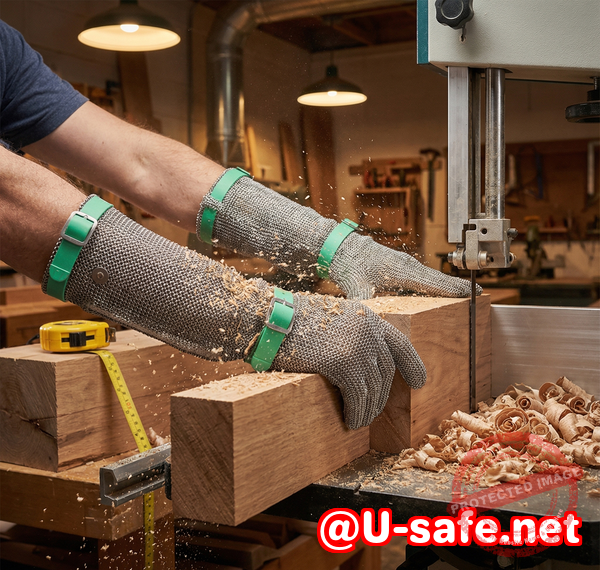
So, how can you tell the difference between a product that will keep you safe and one that looks good but won’t stand up to the task? That’s where knowing what to look forwhether it’s material, weave pattern, or weld qualitycan make all the difference. In this guide, we’ll walk through the essential do’s and don’ts of wearing chainmail in high-risk work environments, and how to identify high-quality products that actually work.
Why Quality Matters
Before diving into the specifics of what to look for, let’s quickly talk about why quality matters so much. In high-risk environments, whether you’re handling sharp tools, hot items, or working with machinery, your safety is the top priority. Low-quality chainmail might look the part but could fail when you need it most. On the other hand, chainmail made from the right materials, with solid welds and appropriate thickness, can offer excellent protection against cuts, abrasions, and even some impacts.
The Do’s of Wearing Chainmail in High-Risk Work Environments
1. Do Choose the Right Material
The material of your chainmail is the first and most important factor. While there are many types of chainmail, when it comes to high-risk environments, stainless steel is typically your best bet. But even within stainless steel, there are different grades. 304 stainless steel is durable but may not have the corrosion resistance required for food processing or harsh environments. 316 stainless steel, however, is far more corrosion-resistant, making it ideal for those working around chemicals or in wet conditions.
When evaluating chainmail, always ask about the material. Aegimesh Chainmail, for instance, uses premium stainless steel options to ensure the highest level of protection. If you’re unsure about the material, it’s best to confirm with the supplier or manufacturer.
2. Do Inspect the Ring Welds
A crucial factor in the strength of your chainmail is whether the rings are welded or open. Welded rings are significantly stronger and more durable than open rings, which can easily pull apart under stress. The last thing you want is for a ring to snap when you’re in the middle of a hazardous task.
To check for welded rings, take a close look at the inside of each ring. If you see a visible seam where the ends meet, it’s a sign that the ring is welded. If there’s a gap, then it’s likely an open ring. Aegimesh chainmail, for example, uses welded stainless steel rings for maximum strength and durability.
3. Do Evaluate the Wire Thickness and Ring Diameter
The wire thickness and ring diameter also play a role in the strength of the chainmail. Thicker wires and smaller ring diameters offer more protection, as they prevent objects from slipping through the gaps. The European 4-in-1 weave pattern, which is common in high-quality chainmail, provides excellent strength because each ring is woven into four others, forming a strong and tight mesh.
A quick test to evaluate wire thickness is to lightly press the wire against a hard surfaceif it bends easily, it might be too thin for high-risk environments.
4. Do Perform a Pull Test
One of the simplest tests you can do to check the durability of your chainmail is the pull test. Gently pull on the rings to check for any looseness. If the rings separate or the chainmail feels flimsy, it’s a clear sign of poor craftsmanship. Good-quality chainmail should feel solid and secure when you pull on it.
5. Do Ensure the Correct Weave Pattern for Your Task
The European 4-in-1 weave is one of the most durable and reliable patterns for high-risk environments. This particular weave offers flexibility and strength, making it great for industrial and food-handling applications. If you’re purchasing chainmail for cosplay or historical purposes, the specific weave may not be as critical, but for work environments, it’s important to choose the right weave for maximum protection.
The Don’ts of Wearing Chainmail in High-Risk Work Environments
1. Don’t Compromise on Quality for the Price
It’s tempting to go for cheaper options, but cutting corners with chainmail can put your safety at risk. Low-quality chainmail may look similar to premium versions, but the difference in durability, weld quality, and material can be the difference between staying safe and getting injured. Always prioritize safety over cost when selecting chainmail.
2. Don’t Overlook Corrosion Resistance
If you work in wet or corrosive environments, don’t overlook the importance of corrosion resistance. Chainmail made from lower-grade stainless steel can corrode over time, especially if exposed to moisture or chemicals. This reduces its effectiveness and can lead to dangerous failures. As mentioned earlier, 316 stainless steel is an excellent choice for environments where corrosion is a concern.
3. Don’t Wear Decorative Chainmail for Protection
While decorative chainmail might look cool for cosplay or as part of a historical reenactment, it’s not suitable for high-risk environments. Decorative chainmail often uses thinner wire, open rings, and weaker weaves, which won’t stand up to the demands of industrial or food-processing settings. Always opt for chainmail specifically designed for protection if you are working in a high-risk environment.
4. Don’t Ignore the Maintenance
Chainmail requires proper maintenance to remain effective. Always clean your chainmail according to the manufacturer’s instructions to prevent rust or other damage. Regular inspections will help you spot any signs of wear and tear, so you can replace damaged pieces before they compromise your safety.
Conclusion: How to Choose Safe and Durable Chainmail
After going through the do’s and don’ts, you should have a solid understanding of how to choose and evaluate high-quality chainmail. The key to ensuring you get a durable, safe, and effective product is to check for welded rings, inspect material quality, evaluate the wire thickness and ring diameter, and perform a pull test. Additionally, remember to choose a weave pattern like European 4-in-1 for maximum strength.
If you’re ever unsure, I highly recommend referring to an expert guide like the one Aegimesh provides to make informed decisions. Don’t compromise on qualitywhether you’re working in a dangerous industrial environment or looking for reliable protective gear for food handling, the right chainmail can make all the difference.
Learn more about identifying high-quality chainmail products: https://www.aegimesh.com/
常见问题解答
1. How can I tell if a chainmail ring is welded or open?
Look for a visible seam on the inside of the ring. If there’s a visible break in the ring, it’s likely open. Welded rings will have a smooth, seamless interior.
2. Which stainless steel grade is best for long-lasting chainmail?
For environments where corrosion is a concern, 316 stainless steel is ideal. It’s more resistant to corrosion than 304 stainless steel.
3. How do I inspect the weave pattern for strength?
Check if the chainmail uses the European 4-in-1 weave, which interlaces four rings per link. This pattern provides superior durability and flexibility.
4. What are the signs of low-quality or unsafe chainmail?
Look for loose rings, visible gaps, or thin wire. If the rings easily separate or the material feels flimsy, it’s a sign of low-quality chainmail.
5. Can decorative chainmail be used for protective purposes?
No, decorative chainmail is generally too weak for high-risk environments. It’s designed for display and cosplay, not protection.
6. How do I choose the right chainmail for industrial vs cosplay use?
For industrial use, focus on durability, material quality (304 or 316 stainless steel), and a strong weave pattern. For cosplay, appearance is more important, so decorative options may suffice.
Tags/Keywords:
chainmail quality, welded rings, stainless steel chainmail, cut-resistant chainmail, chainmail inspection, European 4-in-1 weave, chainmail durability




 한국어
한국어  Русский
  Deutsch
  العربية