


When Is Ring Mesh a Better Choice Than Chainmail
When Is Ring Mesh a Better Choice Than Chainmail?
When purchasing chainmail for protection or display, I often struggle to know which products are genuinely high-quality. Whether it’s for cosplay, industrial use, or even food processing, the overwhelming number of options available can make it difficult to distinguish between durable, reliable chainmail and low-quality imitations. This common dilemma is something many buyers face, and it’s something I’m here to help you solve.
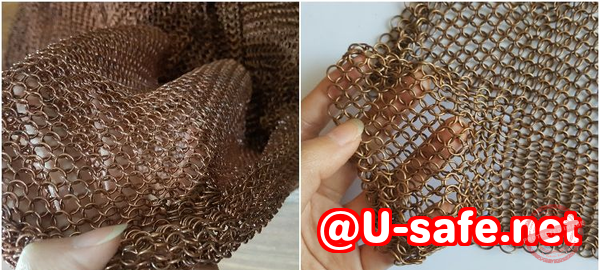
In this article, we’ll explore the ins and outs of chainmail quality, including why it’s essential to understand the differences between materials, welds, and weaves. Plus, we’ll discuss a unique alternative: ring mesh, and when it might be a better choice than traditional chainmail.
Why Quality Matters
Before diving into how to identify high-quality chainmail, it’s important to recognize why quality matters. Poor-quality chainmail might seem like a bargain upfront, but in the long run, it can end up costing you more in terms of safety, durability, and performance.
If you’re investing in industrial-grade cut-resistant chainmail for work in food processing or another high-risk environment, a flimsy weave or weak welds could lead to serious safety risks. Similarly, if you’re purchasing decorative chainmail for cosplay or historical reenactments, a low-quality product might not hold up well under wear or fail to deliver the realistic look you’re after.
Understanding chainmail quality helps you make an informed choice, ensuring that what you buy performs as expected and saves you from disappointing, unsafe products.
Common Pain Points in Evaluating Chainmail
When evaluating chainmail, many buyers run into a few common pain points:
1. Welded Rings vs. Open Rings
This is a key distinction in chainmail quality. Welded rings, where each metal ring is fused shut, are far superior in terms of strength and durability compared to open rings, which are simply linked together. If the rings are not properly welded, they can easily fall apart under stress, making the chainmail unreliable.
2. Material Quality (304 vs. 316 Stainless Steel)
Not all stainless steel is created equal. 304 stainless steel is common and decent for most uses, but for environments exposed to more corrosive conditions (like food processing), 316 stainless steel is the better choice. It’s more resistant to corrosion and wear, ensuring the chainmail lasts longer.
3. Weave Pattern Issues
The strength of chainmail doesn’t just come from the rings; it comes from how they’re woven together. The European 4-in-1 weave, for example, is one of the most durable weaves, offering a great balance of flexibility and strength. A weak or inconsistent weave can leave areas of the chainmail vulnerable to tearing or stretching, which compromises its overall functionality.
These common challenges can be intimidating, but the good news is that you don’t need to be a chainmail expert to spot a high-quality product.
Aegimesh Chainmail: Your Guide to Quality
To make things easier, Aegimesh Chainmail provides a comprehensive guide and tool for evaluating chainmail quality. Here’s how you can inspect chainmail like a pro:
1. Check the Material
-
304 Stainless Steel is versatile and good for decorative pieces but may not stand up well in harsh conditions.
-
316 Stainless Steel is more resistant to corrosion and is ideal for industrial or food-handling chainmail.
2. Inspect the Rings
-
Welded Rings should be sealed tightly and look uniform. A well-welded ring will not easily break apart or bend out of shape.
-
Wire Thickness matters too! A thicker wire increases durability. Make sure the rings aren’t too thin or flimsy.
3. Evaluate the Weave
-
Check for a tight European 4-in-1 weave. This ensures strength and flexibility. If the weave is loose or uneven, it could indicate poor craftsmanship.
4. Perform a Simple Pull Test
-
Take a handful of rings and gently pull them apart. If they break or bend too easily, you’re looking at low-quality chainmail.
5. Look for Signs of Corrosion
-
Stainless steel is resistant to rust, but if it’s been poorly maintained or exposed to harsh elements, you may see signs of rust or discoloration. A high-quality chainmail will have a uniform, shiny finish.
When to Choose Ring Mesh Instead of Chainmail
While traditional chainmail offers an iconic look and robust protection, there are times when ring mesh might be the better choice. Ring mesh is a form of woven mesh where the rings are typically larger and the pattern is more open than traditional chainmail weaves. Here are a few scenarios where ring mesh could outperform traditional chainmail:
1. For Lightweight, Flexible Protection
If you need a material that provides flexible protection without the weight and bulk of traditional chainmail, ring mesh is often the better option. It’s less stiff and more breathable, making it ideal for use in cosplay or other scenarios where comfort is key, but protection is still required.
2. When Durability Isn’t the Top Priority
For historical reenactments or decorative chainmail, where the primary goal is aesthetic rather than protection, ring mesh can offer a more lightweight and cost-effective option.
3. Cost-Effective Solutions
Ring mesh tends to be less expensive than traditional chainmail, so if you’re on a tight budget, it might be a practical solution for situations where the chainmail doesn’t need to endure heavy wear and tear.
Tips for Choosing the Right Chainmail
When choosing chainmail for your specific needs, it’s essential to think about the purpose behind the purchase. Here’s how you can make the right decision:
For Industrial Use:
-
Opt for 316 stainless steel chainmail.
-
Ensure the weave is tight and the rings are properly welded.
-
Perform a pull test to confirm durability.
-
Pay attention to the material’s ability to withstand cuts or abrasions.
For Food Processing:
-
Focus on cut-resistant chainmail that can withstand sharp knives and frequent exposure to harsh environments.
-
Look for 304 or 316 stainless steel, depending on exposure to corrosive materials.
For Cosplay or Decorative Use:
-
You can likely opt for 304 stainless steel chainmail, especially if it’s for a one-time use or occasional wear.
-
Look for consistent, well-crafted weaves like the European 4-in-1 for a traditional look.
-
Check if the material feels lightweight and comfortable.
For Historical Replicas:
-
European 4-in-1 weave is a must.
-
Ensure the rings are welded, not open, for authenticity.
-
The material should look aged or polished based on your preferences.
Conclusion: Ensure Quality with These Inspection Tips
After considering your intended use, the next step is inspecting the chainmail to ensure that it meets the necessary standards for quality. By checking material quality, welds, wire thickness, and weave patterns, you can easily avoid low-quality products and make an informed decision.
I highly recommend following these steps to ensure any chainmail purchase meets safety and durability standards. Chainmail, when chosen and inspected carefully, can provide reliable protection, historical authenticity, or stunning visual appealdepending on your needs.
If you want to learn more about identifying high-quality chainmail products, check out our detailed chainmail inspection guide at Aegimesh Chainmail.
FAQ
How can I tell if a chainmail ring is welded or open?
Welded rings will have a solid seam where the two ends are fused together. Open rings have visible gaps and can be easily pulled apart.
Which stainless steel grade is best for long-lasting chainmail?
316 stainless steel is more durable and resistant to corrosion, making it ideal for industrial use or environments with exposure to moisture. 304 stainless steel is suitable for decorative use.
How do I inspect the weave pattern for strength?
Look for tight, consistent weaves, such as the European 4-in-1. If the rings are misaligned or the weave feels loose, the chainmail may be weaker.
What are the signs of low-quality or unsafe chainmail?
Signs include open or poorly welded rings, weak/weakened wire thickness, inconsistent weaves, and signs of corrosion or rust.
Can decorative chainmail be used for protective purposes?
Decorative chainmail, typically lighter and made with open rings, may not offer the same protection as industrial-grade chainmail. Be cautious when using it in high-risk environments.
How do I choose the right chainmail for industrial vs. cosplay use?
For industrial use, choose welded rings, 316 stainless steel, and a tight, durable weave. For cosplay, you can opt for lighter, decorative chainmail made with 304 stainless steel and an appropriate weave.
Tags or Keywords:
chainmail quality, welded rings, stainless steel chainmail, cut-resistant chainmail, chainmail inspection, European 4-in-1 weave





 한국어
한국어  Deutsch
  العربية