


The Role of EN 1082 in Safeguarding Employees in Dangerous Jobs
The Role of EN 1082 in Safeguarding Employees in Dangerous Jobs
When working in dangerous environments, safety is always a top priority. For employees in industries like food processing, construction, or even those engaging in historical reenactments, wearing the right protective gear can make all the difference. However, not all chainmail products are created equal. As a buyer, you might find yourself questioning which chainmail products are truly high-quality and safe for use. This concern is particularly pressing when you’re on the hunt for protection against cuts, abrasions, or even more serious injuries. So how can you ensure that the chainmail you’re buying is up to the task?
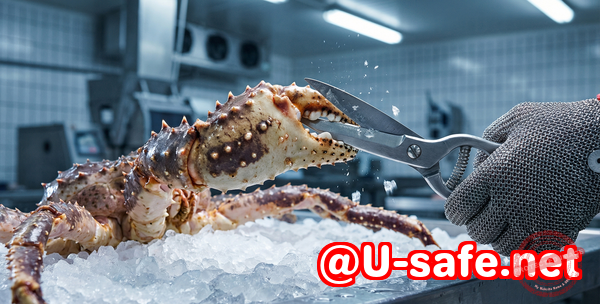
The good news is that there are reliable ways to evaluate the quality of chainmail and avoid unsafe or low-quality purchases. If you’re concerned about making a smart investmentwhether it’s for industrial use, cosplay, or a collectiblelet’s take a closer look at the importance of EN 1082 standards and the steps you can take to inspect and verify high-quality chainmail products.
Evaluating Chainmail Quality: A Common Buyer’s Dilemma
Imagine this scenario: You’re tasked with finding protective gear for workers in a food processing plant. You need something that not only meets safety standards but is also comfortable and durable. You come across several options online, but they all claim to offer “cut-resistant chainmail” without giving you a clear understanding of how safe or durable they actually are.
This is a common problem for many buyers, especially when shopping for chainmail that’s meant to protect workers, hobbyists, or collectors. Not all chainmail is designed with durability and safety in mind. Some products may look the part but fail to stand up to the demands of industrial or professional use.
So, what’s the solution? How can you confidently select a chainmail product that meets both your safety needs and budget? By understanding the key elements of chainmail quality, you can make an informed decision and avoid the pitfalls of low-quality products.
Key Chainmail Pain Points
Before diving into the solutions, let’s first examine the common pain points buyers face when evaluating chainmail quality:
-
Welded Rings vs. Open Rings
It can be challenging to tell whether a chainmail ring is welded or open just by looking at it. While open rings might seem like a cheaper alternative, they don’t offer the same level of durability and security as welded rings. Open rings are more likely to come apart under pressure, making them unsuitable for protective applications.
-
Choosing the Right Stainless Steel Grade
Not all stainless steel is created equal. The grade of stainless steel used in chainmail affects its strength, corrosion resistance, and overall durability. For example, 304 stainless steel is common, but for higher resistance to corrosion, particularly in more demanding environments, 316 stainless steel is often the better choice. This can be tricky to discern, especially for beginners.
-
Inconsistent Weaving Patterns
The weave pattern used in chainmail can affect its strength and performance. Some manufacturers might use lower-quality weave patterns, which can result in a less durable product. For example, a poorly executed European 4-in-1 weave might appear visually similar to a high-quality product but will not offer the same level of protection or durability.
Step-by-Step Guide to Evaluating High-Quality Chainmail
Now that we’ve identified the pain points, let’s explore practical steps you can take to evaluate the quality of a chainmail product before purchasing. Whether you’re considering chainmail for industrial use, food processing, cosplay, or a historical collection, these steps will help you make a smarter choice.
1. Material Type: 304 vs. 316 Stainless Steel
The first step in evaluating any chainmail product is to determine the material used. For industrial applications, it’s essential to choose a chainmail made from high-quality stainless steel, preferably 316 grade. This type of steel offers superior resistance to corrosion, which is critical in industries where chainmail is exposed to moisture, chemicals, or frequent cleaning.
How to Check:
-
Ask the seller about the stainless steel grade used.
-
If possible, look for certifications that confirm the material’s quality, such as compliance with EN 1082 standards, which are designed for protective chainmail.
2. Inspect the Rings: Welded vs. Open
The integrity of the rings in the chainmail is crucial for safety. Welded rings are far more reliable than open rings because they are permanently joined together, offering much greater durability and strength. Open rings, on the other hand, can loosen over time, especially in high-stress environments.
How to Check:
-
Use a magnifying glass or close-up photo to examine the rings. Welded rings will have a visible joint where the metal is fused together.
-
Gently pull on a few rings to see if they hold together under pressure. If they separate, the chainmail is not safe for industrial use.
3. Wire Thickness and Inner Diameter
The thickness of the wire and the size of the ring’s inner diameter both affect the chainmail’s strength and flexibility. Thicker wire and smaller inner diameters generally provide better protection against cuts and abrasions.
How to Check:
-
Measure the wire thickness using a micrometer or caliper.
-
Inspect the inner diameter of the rings. A standard European 4-in-1 weave should have uniform ring sizes, and the wire thickness should be appropriate for the intended use.
4. Weave Patterns and Weaving Quality
Chainmail is only as strong as its weave. The most common weave pattern is the European 4-in-1, which offers a good balance of strength and flexibility. However, a poorly executed weave can leave gaps or weak points that compromise the product’s durability.
How to Check:
-
Look for uniformity in the weave. Each ring should pass through exactly four other rings without irregular spacing or weak points.
-
Feel the weave to ensure it is tightly woven and resistant to movement. A loose weave is a red flag.
Why Proper Chainmail Inspection is Essential
Properly inspecting chainmail before purchase can help you avoid dangerous, low-quality products. Here’s why it matters:
-
Industrial and Food Processing Use: Poor-quality chainmail can lead to injuries, especially in high-risk environments where workers rely on their protective gear to shield them from cuts and abrasions. By selecting high-quality chainmail, you help ensure the safety and well-being of employees.
-
Cosplay and Decorative Use: Even though your chainmail may not need to provide physical protection, it should still meet durability standards. Low-quality chainmail can be flimsy and prone to damage, ruining the aesthetic of your costume.
-
Cost Savings: The initial cost of high-quality chainmail may be higher, but it’s a wise investment in the long run. By identifying and avoiding low-quality products, you save money on replacements and repairs.
Practical Tips for Chainmail Inspection
Here are a few practical steps you can take to ensure the chainmail you’re purchasing is up to par:
-
Pull Test: One simple way to check the durability of chainmail is to perform a pull test. Gently tug on a small section of the chainmail. It should not unravel or tear easily.
-
Corrosion Check: Look for any signs of rust or corrosion, particularly if the chainmail is intended for industrial use. Stainless steel chainmail should have no visible signs of rust.
-
Weave Consistency: Ensure the rings are tightly woven together, and there are no gaps in the weave. A consistent, tight weave is key to durability.
Conclusion: Make the Right Choice for Safety and Durability
In conclusion, when evaluating chainmail, it’s important to keep a few key factors in mind: the material, the type of rings, the wire thickness, and the quality of the weave. I highly recommend following these steps to ensure that any chainmail purchase meets the necessary safety and durability standards.
Whether you’re outfitting workers in high-risk environments or selecting gear for a cosplay project, you’ll want to make sure the chainmail is made from high-quality materials and crafted with attention to detail. With these inspection methods, you can feel confident that your investment is worthwhile.
For more information on identifying high-quality chainmail products, check out our detailed chainmail inspection guide today.
FAQ
1. How can I tell if a chainmail ring is welded or open?
Welded rings will show a visible joint where the metal has been fused together, while open rings will appear as separate pieces that can be pulled apart.
2. Which stainless steel grade is best for long-lasting chainmail?
For superior corrosion resistance and durability, 316 stainless steel is preferred, especially in environments exposed to moisture or chemicals.
3. How do I inspect the weave pattern for strength?
Examine the weave for uniformity. The European 4-in-1 weave should have consistent spacing, and each ring should pass through exactly four others.
4. What are the signs of low-quality or unsafe chainmail?
Signs include loose rings, inconsistent weaving, weak welding, or visible rust and corrosion.
5. Can decorative chainmail be used for protective purposes?
Not all decorative chainmail is suitable for protection. Look for welded rings and higher-quality materials for protective applications.
6. How do I choose the right chainmail for industrial vs. cosplay use?
For industrial use, prioritize durability, strength, and corrosion resistance. For cosplay, focus on aesthetics and comfort, while still ensuring the chainmail is sturdy enough for wear.





 한국어
한국어  Deutsch
  العربية