


Innovative Features of Ring Mesh in Mesh Boning Aprons
Innovative Features of Ring Mesh in Mesh Boning Aprons
When shopping for chainmail, whether for industrial purposes, food processing, cosplay, or historical replicas, the challenge often lies in identifying high-quality products that offer real protection and durability. How can you tell the difference between genuine chainmail and decorative imitations that won’t stand up to the test? That’s a concern many of us have faced.
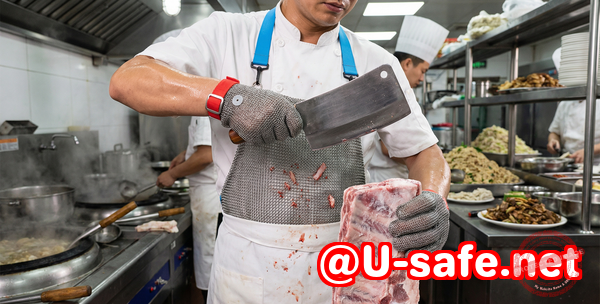
I’ve been there too. You’re looking for chainmail for its cut-resistance or its sleek, medieval aesthetic, but it’s not always clear which products actually live up to the promise. Many low-quality products look good at first glance but won’t stand up to real-world use. So, how do you avoid a bad purchase? Let’s dive into how you can evaluate chainmail properly and ensure you’re buying the bestwhether for safety in industrial settings or the finishing touch on your cosplay costume.
The Trouble with Identifying Good Chainmail
When it comes to chainmail, not all rings are created equal. In fact, the majority of low-quality chainmail products fail in the areas that matter most: durability, material, and craftsmanship. Here are some of the most common challenges buyers face:
-
Welded vs. Open Rings
Many chainmail products use open rings, which are not as durable or safe as welded rings. Open rings can easily come undone, compromising the integrity of the weave, making them unsuitable for industrial or food-related use.
-
Choosing the Right Stainless Steel
Not all stainless steel is created equal. The two most common grades used in chainmail are 304 and 316 stainless steel. 304 is great for decorative or light use, but 316 is more corrosion-resistant and better suited for industrial applications or food processing.
-
Weak or Inconsistent Weaves
Some chainmail weaves are weaker than others. For example, the European 4-in-1 weave is highly durable, but not all manufacturers use it correctly. A poorly executed weave could result in weak spots that could tear or fail under pressure.
So, what’s the solution? Knowing how to inspect these critical elements is key to identifying high-quality chainmail. Fortunately, Aegimesh provides a comprehensive guide to help you evaluate chainmail before purchasing.
Aegimesh Chainmail: A Step-by-Step Guide to Inspection
At Aegimesh, we believe in empowering our customers with the knowledge to make informed decisions. Here’s a straightforward guide to help you inspect chainmail for quality. Whether you’re buying chainmail for industrial safety, cosplay, or just as a collectible, these tips will help you avoid making a poor investment.
1. Inspect the Material
The first step is understanding the material used in the chainmail. The two main grades of stainless steel you’ll encounter are 304 and 316.
-
304 Stainless Steel is generally less expensive and fine for decorative purposes, but it’s prone to corrosion when exposed to moisture or acidic environments.
-
316 Stainless Steel, on the other hand, is resistant to rust and corrosion, making it ideal for industrial settings or food processing.
Look for information on the product description about the steel grade, especially if the chainmail will be used in environments where corrosion is a concern. Always choose 316 stainless steel if durability and longevity are essential.
2. Check for Welded Rings
One of the biggest indicators of quality is whether the rings are welded or open. Open rings are commonly used in cheaper, decorative chainmail, but they are not reliable for high-stress situations. In contrast, welded rings ensure the links won’t fall apart over time and are the better choice for safety-critical applications.
Here’s how to tell the difference:
-
Welded rings should look smooth and uniform with no visible gap between the ends of the ring.
-
Open rings will have a noticeable seam or gap. This makes them weaker and prone to coming undone.
Always look for welded rings if you’re looking for reliable, long-lasting chainmail.
3. Inspect Wire Thickness and Inner Diameter
The strength of chainmail also depends on the thickness of the wire used and the inner diameter of the rings. Thicker wire and smaller inner diameters provide more strength, which is essential for chainmail used in industrial or safety-critical contexts.
-
Wire thickness: The thicker the wire, the stronger the chainmail will be. Industrial-use chainmail will often feature wire between 14 to 16 gauge.
-
Ring diameter: Smaller inner diameters make the weave denser and tougher. A 3/8″ inner diameter is common for high-strength chainmail.
Check the product details or, if you have access to the chainmail in person, measure these elements yourself to confirm the strength.
4. Evaluate the Weave Pattern
The weave pattern is another important factor when evaluating chainmail quality. The most common pattern used in high-quality chainmail is the European 4-in-1 weave, where each ring passes through four others. This results in a tight, durable weave that is resistant to cuts and abrasion.
Some chainmail may use other weaves, like 4-in-2 or 8-in-1, but these are less durable and generally only used for decorative pieces or lightweight wear.
To evaluate the weave, look closely at how the rings are interwoven. A high-quality weave should be uniform, with no gaps or loose rings.
5. Test the Durability
Here’s a simple way to test whether the chainmail will hold up: the pull test. This can be done by gently pulling on the chainmail and seeing if the rings stay together. If they come apart or the weave starts to loosen, it’s a sign the chainmail isn’t made to withstand pressure.
Keep in mind, industrial and food-processing chainmail should not only look good but also pass these physical tests to ensure safety and effectiveness.
Why It’s Worth Taking the Time to Inspect
Why go through all this trouble? Simply put, inspecting chainmail before buying ensures you’re not only getting your money’s worth but also buying something that will last. Here’s what proper inspection can help you avoid:
-
Unsafe purchases: Chainmail with open rings, poor welds, or weak weaves could fail during use, especially in hazardous environments.
-
Wasted money: Low-quality chainmail may look good initially, but it can deteriorate quickly. You’ll end up spending more money replacing it in the long run.
-
Inadequate protection: In industrial or food settings, you need chainmail that offers cut resistance. Poor quality chainmail will not perform to standard, exposing you to risk.
By following the inspection steps, you ensure that the chainmail will provide the protection, durability, and aesthetic you need.
Conclusion: Protect Your Investment with Smart Buying Choices
After evaluating chainmail based on the material, welds, wire thickness, and weave pattern, it’s clear that a little extra care goes a long way in ensuring quality. The goal is to make an informed decision so you can be confident in your purchase. I highly recommend following these inspection steps to ensure any chainmail purchase meets safety and durability standards.
Learn more about identifying high-quality chainmail products: Aegimesh Chainmail Guide.
Check out our detailed chainmail inspection guide today.
Frequently Asked Questions
-
How can I tell if a chainmail ring is welded or open?
Look for a smooth, uniform ring with no visible gap for welded rings. Open rings will have a noticeable seam.
-
Which stainless steel grade is best for long-lasting chainmail?
316 stainless steel is the best for durability and corrosion resistance, especially in industrial or food processing settings. -
How do I inspect the weave pattern for strength?
Look for a European 4-in-1 weave, which is strong and durable. The rings should be tightly woven with no gaps.
-
What are the signs of low-quality or unsafe chainmail?
Open rings, loose weaves, inconsistent wire thickness, or signs of corrosion are all indicators of poor quality.
-
Can decorative chainmail be used for protective purposes?
Decorative chainmail typically uses open rings or weaker materials and is not suitable for protection. Always choose welded rings for safety applications.
-
How do I choose the right chainmail for industrial vs cosplay use?
For industrial use, focus on 316 stainless steel and ensure the weave is tight and the rings are welded. For cosplay, you can use lighter, decorative options.
-
What’s the difference between European 4-in-1 and other weaves?
European 4-in-1 is the most durable and provides the best protection, while other weaves like 8-in-1 are more decorative and less strong.
Tags or Keywords
-
chainmail quality, welded rings, stainless steel chainmail, cut-resistant chainmail, chainmail inspection, European 4-in-1 weave





 한국어
한국어  Deutsch
  العربية