


How EN 1082 Improves the Quality and Longevity of Protective Chainmail
How EN 1082 Improves the Quality and Longevity of Protective Chainmail
When it comes to chainmail, whether you’re buying it for protection on the job, for a cosplay project, or simply as a collector’s item, ensuring you’re investing in high-quality, durable pieces can be a daunting task. I’ve often found myself in the position of not knowing where to startwondering how to distinguish the genuine protective chainmail from decorative imitations or low-quality products that might fall apart with little use.
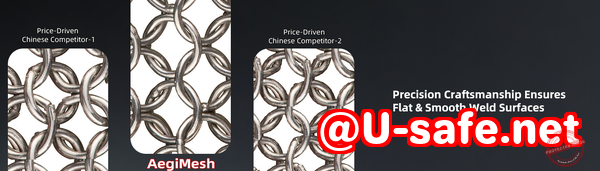
It’s a problem many buyers face, and it can be especially frustrating when you’re trying to ensure your chainmail will perform its intended functionwhether that’s cutting-edge protection in an industrial setting, creating a historically accurate costume, or even serving as a unique, durable piece for food handling.
In this article, I’ll share some valuable insights on how to evaluate chainmail, based on practical inspection methods that help ensure you’re purchasing a safe, high-quality product. Plus, we’ll discuss how EN 1082, a European standard for protective clothing, plays a significant role in improving the safety and longevity of chainmail.
Common Pain Points When Evaluating Chainmail
Let’s face itevaluating chainmail isn’t always as straightforward as it might seem. With so many different products on the market, how do you know what’s worth your investment? Below are a few of the most common challenges faced by chainmail buyers:
-
Distinguishing Between Welded Rings and Open Rings
One of the first things you’ll notice when inspecting chainmail is the ring structure. It might look solid, but you need to check carefully to see if the rings are welded or open. Open rings are prone to coming apart over time, reducing the effectiveness and durability of the chainmail.
-
Understanding Stainless Steel Grades
The grade of stainless steel used is crucial. While 304 stainless steel is commonly used in chainmail, it doesn’t offer the same level of corrosion resistance as 316 stainless steel. The latter is much more durable, especially in corrosive environments like food handling or industrial use.
-
Weak or Inconsistent Weaves
Chainmail’s effectiveness lies in its weave pattern. For instance, the classic European 4-in-1 weave is known for its strength and durability. But not all chainmail weaves are created equal. Poor craftsmanship can lead to inconsistent weaves that might compromise the overall strength of the product.
The Aegimesh Chainmail Solution
At Aegimesh, we’ve created a comprehensive guide and inspection tool that helps you evaluate the quality of chainmail based on key factors like ring welding, stainless steel grade, wire thickness, ring diameters, and weave patterns. This tool can help you avoid purchasing low-quality or unsafe products, ensuring your chainmail meets your needs, whether for professional use, cosplay, or historical replicas.
Here’s a breakdown of what to look for when evaluating chainmail to ensure it meets safety and durability standards:
1. Checking the Material: 304 vs. 316 Stainless Steel
When purchasing chainmail, it’s essential to know the difference between the two most commonly used stainless steel grades: 304 and 316.
-
304 Stainless Steel is durable and corrosion-resistant but not ideal for high-corrosion environments (like food handling or marine industries).
-
316 Stainless Steel, on the other hand, is more resistant to corrosion, making it the better choice for environments where exposure to moisture or chemicals is a concern.
Tip: Always check the product’s description to confirm the steel grade. For industrial or food-related applications, I highly recommend opting for 316 stainless steel for its superior durability.
2. Inspecting the Rings: Welded vs. Open Rings
Next, look at the rings that form the core structure of the chainmail. Chainmail rings can either be welded or open. Welded rings are stronger and more secure, while open rings are prone to falling apart, reducing the chainmail’s overall effectiveness.
How to tell the difference:
-
Welded rings will have a visible seam where the ends are joined together, and they’ll feel more solid to the touch.
-
Open rings can be easily bent or pulled apart, so if the chainmail feels flimsy or weak, it likely has open rings.
Tip: A simple pull test can help you assess the security of the rings. If they feel loose or shift easily, avoid that chainmail.
3. Evaluating Wire Thickness and Ring Diameters
The thickness of the wire and the diameter of the rings play a huge role in the overall strength of the chainmail. Thicker wire provides greater protection, while larger ring diameters tend to weaken the chainmail’s structural integrity.
-
Wire Thickness: A thicker wire means the chainmail is sturdier and better equipped to resist cutting or tearing.
-
Ring Diameter: A larger diameter means less overlap between rings, which can weaken the weave. Smaller diameters tend to offer more protection.
Tip: Look for chainmail with a fine, dense weave and thicker wire for better durability and protection.
4. Inspecting the Weave Pattern: European 4-in-1 for Strength
The weave pattern is another crucial factor in chainmail quality. The European 4-in-1 weave is one of the most popular and strongest weave patterns. It consists of four rings passing through each individual ring, offering a sturdy structure that resists cuts and damage.
Tip: Look for tightly woven chainmail with consistent patterns. If you see irregular weaves or gaps, it may be a sign of poor craftsmanship.
5. Conducting a Simple Pull Test
A quick and easy test to evaluate the strength of chainmail is the pull test. Simply pull on the rings, especially around the edges or areas where the weave looks less tight. If the rings shift or come apart easily, it indicates low-quality chainmail that won’t last long under stress.
Tip: Perform this test at various points to ensure consistency across the entire piece of chainmail.
Why Proper Chainmail Inspection Matters
By following these inspection steps, you can ensure your chainmail purchase meets the necessary safety and durability standards. Whether you’re using the chainmail for industrial protection, food handling, cosplay, or as a historical collectible, understanding how to evaluate the quality can save you money and help you avoid safety risks.
-
Avoid unsafe chainmail: In an industrial or food-processing environment, low-quality chainmail could result in serious injuries. Knowing how to identify safe and durable chainmail is essential.
-
Ensure durability: The right material, weave, and ring security will ensure your chainmail lasts longer and performs better, saving you from frequent replacements.
-
Save money: By identifying low-quality products before purchasing, you can avoid wasting money on ineffective or unsafe items.
Conclusion
I can’t emphasize enough how important it is to properly inspect chainmail before making a purchase. Whether you’re looking for industrial protection, a cosplay project, or a high-quality collectible, following these steps ensures you’re getting the durability, safety, and longevity you need. I highly recommend following these guidelines to ensure your chainmail meets high standards for both safety and quality.
Learn more about identifying high-quality chainmail products here: Aegimesh Chainmail Inspection Guide.
FAQ
-
How can I tell if a chainmail ring is welded or open?
Check the ends of the rings. Welded rings will have a seam where the ends are fused, while open rings can be easily pulled apart.
-
Which stainless steel grade is best for long-lasting chainmail?
For superior durability and corrosion resistance, 316 stainless steel is recommended, especially in food handling or industrial environments.
-
How do I inspect the weave pattern for strength?
Look for consistent, tight weaves like the European 4-in-1 pattern. Inconsistent weaves or gaps suggest poor craftsmanship.
-
What are the signs of low-quality or unsafe chainmail?
Signs include open rings, inconsistent weaves, thin wire, and large ring diameters that may weaken the chainmail’s protective qualities.
-
Can decorative chainmail be used for protective purposes?
Generally, decorative chainmail isn’t designed for protection. Always choose chainmail designed for safety if it’s intended for cut resistance or industrial use.
-
How do I choose the right chainmail for industrial vs. cosplay use?
For industrial use, prioritize durability, corrosion resistance, and a tight, secure weave. For cosplay, focus on aesthetic factors like weave patterns and material but ensure it’s sturdy enough for wear.
-
Can chainmail be used for both cut protection and display?
Yes, but ensure the chainmail is made from high-quality materials like 316 stainless steel with a tight, durable weave for cut protection while still being visually appealing for display.
Keywords: chainmail quality, welded rings, stainless steel chainmail, cut-resistant chainmail, chainmail inspection, European 4-in-1 weave, chainmail durability.





 한국어
한국어  Deutsch
  العربية