


How EN 1082 Affects the Performance of Cut-Resistant Gloves
How EN 1082 Affects the Performance of Cut-Resistant Gloves
When it comes to safety gear, especially in industries like construction, food processing, or cosplay, selecting the right protective equipment is essential. One product that often comes into play for workers, collectors, and hobbyists alike is cut-resistant chainmail gloves. These gloves are typically designed to offer protection against sharp objects, making them indispensable in a variety of fields. But what makes a chainmail glove truly cut-resistant? The answer lies in the standards that define its effectivenessspecifically, the EN 1082 standard.
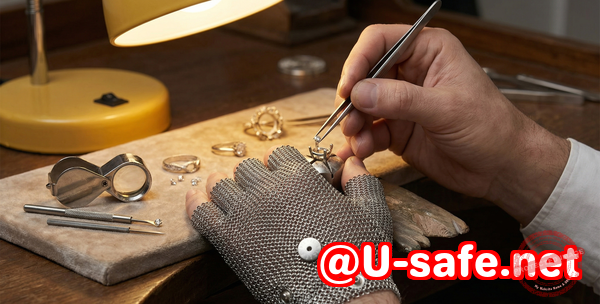
In this post, we’ll explore how the EN 1082 standard influences the performance of cut-resistant gloves, helping buyers, collectors, and industrial users make smarter choices. We’ll walk you through practical inspection methods, quality benchmarks, and offer tips to ensure you’re getting a reliable, safe product that can stand the test of time and usage.
The Importance of Chainmail Quality
If you’re considering purchasing chainmail for any purposewhether for industrial work, food processing, cosplay, or historical replicasit’s crucial to differentiate between high-quality and low-quality products. Unfortunately, not all chainmail is created equal. Low-quality options may appear appealing at first but could easily fail under stress, leading to potential injuries or a poor cosplay experience. With that in mind, here are a few common challenges buyers face:
-
Difficulty distinguishing welded rings from open rings.
-
Uncertainty about the stainless steel grade used in the product.
-
Weak or inconsistent weaves that compromise durability.
If you’ve found yourself struggling to tell the difference between high-quality chainmail and a low-cost imitation, you’re not alone. Fortunately, there are ways to ensure you’re purchasing a durable, reliable product. Let’s break down the essential factors you need to assess.
Understanding EN 1082: A Key Safety Standard
EN 1082 is a standard that outlines the performance of cut-resistant gloves, particularly focusing on chainmail designs used in high-risk environments. While it’s widely used across Europe, it has significant global influence and impacts how gloves are tested for cut-resistance, including materials like stainless steel.
Under this standard, chainmail gloves are tested to ensure that they offer a minimum level of protection against cutting hazards, especially in industries such as meat processing, glass handling, or even during medieval reenactments. Specifically, EN 1082 ensures that:
-
The glove’s material is resistant to cutting forces that might be encountered during specific tasks.
-
The ring structure (typically welded) holds together under applied force.
-
The glove doesn’t suffer from unpredicted breakdown during use, which would compromise worker safety.
This means that if a chainmail product is designed according to EN 1082, you can trust it to provide sufficient protection in industrial or other high-risk environments. However, this does not guarantee that every product labeled as “cut-resistant” will perform the same way, so it’s vital to learn how to evaluate chainmail quality.
Step-by-Step Inspection for High-Quality Chainmail
Now that we understand the importance of the EN 1082 standard, let’s walk through some practical steps for evaluating the quality of chainmail glovesensuring your purchase lives up to the expected standards of durability and protection.
1. Inspect the Material: Stainless Steel Grades Matter
The material used in chainmail is one of the most significant factors determining its overall durability and safety. Stainless steel is commonly used, but not all stainless steel is the same. The two primary types are 304 stainless steel and 316 stainless steel, and the difference is crucial for durability and corrosion resistance.
-
304 Stainless Steel: A common, economical option, but more prone to corrosion in high-moisture or high-acid environments.
-
316 Stainless Steel: Known for its superior corrosion resistance, especially in harsh conditions like food processing or marine environments.
When inspecting chainmail gloves, it’s essential to check for the type of stainless steel used. If your glove will be exposed to moisture or chemicals, 316 stainless steel is your best bet for longevity.
2. Examine the Rings: Welded vs Open Rings
Welded rings are far stronger than open rings. An open ring can eventually slip apart under stress, which is a serious concern for chainmail that needs to provide ongoing protection.
Here’s how you can inspect the rings:
-
Welded Rings: These rings are formed by welding the ends together, creating a stronger bond. They’re more durable and resistant to breaking apart during heavy use.
-
Open Rings: These rings are simply bent into shape, which can make them weaker and prone to failure when under pressure.
It’s easy to check whether the rings are welded or open by gently trying to pull apart two adjacent rings. If they separate easily, you’re dealing with open rings. For true durability, welded rings are a must.
3. Evaluate the Weave Pattern
Chainmail comes in various weave patterns, each providing different levels of strength and flexibility. The European 4-in-1 weave is one of the most common and strongest patterns used for protective chainmail.
-
European 4-in-1 Weave: In this pattern, each ring is interlocked with four others, creating a balanced and durable structure. This type of weave distributes force evenly across the material, enhancing its cut-resistant properties.
By inspecting the weave, you can determine if the pattern is consistent and free from gaps or irregularities, which would compromise its effectiveness.
4. Check Wire Thickness and Ring Diameter
For chainmail to be truly protective, the wire thickness and ring diameter must be appropriate for the intended use. The wire should be thick enough to withstand cutting forces, and the diameter should align with the intended level of flexibility.
-
Thicker Wire: Provides better durability, but may make the gloves stiffer and harder to maneuver.
-
Larger Ring Diameter: Increases flexibility, but could potentially reduce the overall cut resistance if the material is too thin.
To ensure a proper fit, you should also test the glove for flexibility and mobility. A well-made chainmail glove should balance protection and dexterity.
5. Perform a Pull Test
A simple but effective method for testing chainmail strength is the pull test. Grab a ring and try pulling it apart. If the chainmail withstands the pressure without any rings slipping or breaking, you’ve got a high-quality product. If any rings come loose or break, it’s a sign of poor craftsmanship or low-quality materials.
Benefits of Proper Chainmail Inspection
-
Safety First: Proper inspection ensures that chainmail gloves provide the necessary cut protection, especially in high-risk industrial environments or food processing.
-
Save Money: High-quality chainmail products tend to last longer, saving you money in the long run by avoiding frequent replacements.
-
Peace of Mind: Knowing that you’ve thoroughly vetted your chainmail means you can rely on it for cosplay, historical reenactments, or industrial use without worrying about safety failures.
Conclusion: Make an Informed Chainmail Purchase
When buying chainmail, particularly for protection in dangerous environments, it’s essential to know what you’re getting. The EN 1082 standard offers a critical baseline for evaluating cut-resistant gloves, but it’s up to you to inspect the material, rings, weave, and other key factors.
By following the steps outlined herechecking for welded rings, evaluating stainless steel grades, inspecting the weave, and conducting simple testsyou’ll be able to make an informed decision and choose chainmail that meets your needs.
I highly recommend following these steps to ensure any chainmail purchase meets safety and durability standards. If you’re ready to dive deeper into identifying high-quality chainmail products, visit Aegimesh’s Chainmail Inspection Guide and get the most out of your investment.
FAQs
1. How can I tell if a chainmail ring is welded or open?
To test, gently pull adjacent rings apart. Welded rings will stay intact, while open rings will separate.
2. Which stainless steel grade is best for long-lasting chainmail?
For durability and corrosion resistance, 316 stainless steel is recommended, especially in environments with moisture or chemicals.
3. How do I inspect the weave pattern for strength?
Look for even, consistent interlocking of rings. The European 4-in-1 weave is a reliable indicator of strength.
4. What are the signs of low-quality or unsafe chainmail?
Signs include weak or open rings, inconsistent weave patterns, thin wire, and poor welding.
5. Can decorative chainmail be used for protective purposes?
While decorative chainmail can look great, it often lacks the durability and safety standards required for protection. Always check for quality when choosing chainmail for safety purposes.
6. How do I choose the right chainmail for industrial vs cosplay use?
For industrial use, prioritize thick wire, welded rings, and high-quality stainless steel. For cosplay, flexibility and comfort may be more important, but quality still matters for durability.
Tags: chainmail quality, welded rings, stainless steel chainmail, cut-resistant chainmail, chainmail inspection, European 4-in-1 weave, chainmail durability






 한국어
한국어  Deutsch
  العربية