


Chainmail Aprons and Long-Term Cost Efficiency
Chainmail Aprons and Long-Term Cost Efficiency
When you’re in the market for chainmail, whether for industrial protection, cosplay, or even as a collector’s item, it can feel like a daunting task to differentiate between high-quality chainmail and cheap imitations. It’s a common concern I hear often from buyers: “How do I know if my chainmail is the real deal or just a decorative piece that won’t hold up in the long run?” Whether you need it for personal protection, historical re-enactments, or any other use, knowing how to assess chainmail’s quality is crucial for making an informed decision.
In this post, I’m going to walk you through a few practical steps to identify the difference between top-tier chainmail, like the products offered by Aegimesh, and lower-quality, unsafe options. Chainmail isn’t just about looksit’s about performance and safety, too. And, let’s face it, no one wants to spend hard-earned money on a product that won’t last or, worse, put them at risk.
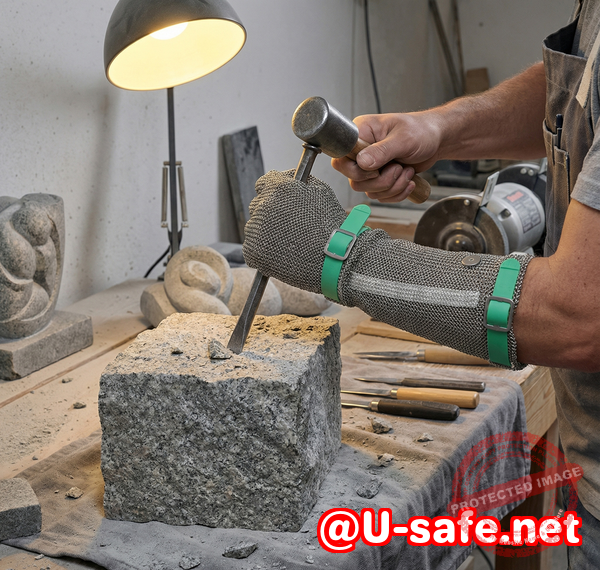
The Importance of Chainmail Quality
Chainmail is used for a variety of purposes: as protective wear in industries like butchery or construction, as cut-resistant gloves, or even as part of historical costumes. But while the applications are diverse, one thing is always clear: quality matters. The last thing you want is to spend money on something that can’t stand up to the test, especially when it’s meant to protect you.
When I first started exploring chainmail for both industrial use and personal projects, I was overwhelmed by the number of options available. I had no idea how to evaluate quality beyond just looking at the price tag. But the truth is, there are many factors that contribute to whether a piece of chainmail will perform as promised, whether it’s for heavy-duty industrial use or light cosplay.
Common Pain Points When Evaluating Chainmail
Evaluating chainmail is not always straightforward, and many buyers find themselves caught up in common pitfalls. Here are some issues I’ve encounteredand how you can avoid them:
1. Difficulty in Distinguishing Welded Rings from Open Rings
This is one of the most common issues people run into. You might come across a seemingly high-quality chainmail apron, only to find that the rings are not welded together but merely interlinked. The problem? Open rings can come undone with wear, leading to a weak structure that could fail when you need it most.
Tip: Always check if the rings are welded. Welded rings provide more stability and durability, especially in industrial environments where chainmail is subjected to constant wear and tear. A simple visual check or a tug on a ring can help you spot the difference.
2. Uncertainty About Stainless Steel Grades
Stainless steel is a popular material for chainmail, but not all stainless steel is created equal. Some grades, like 304 stainless steel, are durable but not resistant to corrosion, while others, like 316 stainless steel, offer much better resistance to rust and wearespecially in environments where moisture is a factor, like food handling.
Tip: For long-term durability, always opt for 316 stainless steel. It’s corrosion-resistant, making it ideal for environments like kitchens or industrial settings where moisture is common.
3. Weak or Inconsistent Weaves
The weave pattern of chainmail plays a critical role in its overall strength. Not all weaves are created equal, and a weak or inconsistent weave can make the chainmail less protective and more prone to breaking.
Tip: The European 4-in-1 weave is the most commonly used and offers a balanced combination of strength and flexibility. If you’re using chainmail for protection, this is the weave you want to look for. It ensures that each link is interconnected in a way that offers maximum durability without compromising comfort.
How to Inspect and Verify Chainmail Quality
Now that we’ve discussed common pitfalls, let’s dive into the process of inspecting chainmail. Here are some steps you can follow to ensure you’re purchasing high-quality, safe products for whatever your needs may be.
Step 1: Check the Material
When looking at chainmail, the material should always be the first thing you evaluate. High-quality chainmail should be made of durable, rust-resistant stainless steel. As I mentioned earlier, 316 stainless steel is the best option, but 304 stainless steel can also work for less demanding applications.
What to do: Look for product details or labels that clearly state the type of steel used. If this isn’t available, you can ask the seller or manufacturer directly.
Step 2: Inspect the Ring Welds
Welded rings are a non-negotiable feature if you’re investing in chainmail for protection. Open rings simply don’t have the structural integrity needed for high-stress uses. When inspecting the chainmail, check the rings carefully to see if they’re welded. Welded rings will look seamless, while open rings may have a small gap where the ends meet.
What to do: Perform a quick test by tugging on a ring. If it stays intact without separating, you’re good to go.
Step 3: Examine Wire Thickness and Ring Diameter
The thickness of the wire and the diameter of the rings are indicators of chainmail strength. Thicker wire and smaller rings generally make for a more durable product. However, the ideal thickness will depend on the intended use.
What to do: If you’re buying for industrial use (e.g., butchery or food processing), look for a chainmail apron with thicker wire and smaller ring diameters. These properties enhance durability and provide better protection against cuts.
Step 4: Assess the Weave Pattern
As mentioned earlier, the European 4-in-1 weave is the gold standard for strength and durability. It provides a solid, interlocking pattern that offers maximum protection without being too stiff.
What to do: Look for consistent, tight weaves with no visible gaps or weak spots. If you see irregularities in the pattern, this could be a sign of low-quality craftsmanship.
The Benefits of Proper Chainmail Inspection
Proper inspection can save you a lot of headaches down the road. Here’s how inspecting your chainmail properly can benefit you:
-
Avoid unsafe purchases: In industrial or food-processing settings, poor-quality chainmail can result in injury or accidents. Taking the time to inspect your chainmail ensures safety.
-
Ensure durability: A solid, well-made piece of chainmail will last much longer, saving you money in the long run.
-
Save money: By identifying low-quality products early on, you can avoid wasting money on something that won’t perform as expected.
Conclusion
In my experience, following these simple inspection steps can make all the difference when it comes to purchasing high-quality chainmail. Whether you’re looking for industrial protection, a historical replica, or a costume piece, knowing how to evaluate the material, ring welding, wire thickness, and weave patterns will ensure you’re investing in something that will stand the test of time.
If you’re looking for top-tier chainmail that won’t disappoint, check out Aegimesh Chainmail. They offer a comprehensive guide and inspection tool to help you evaluate the true quality of your chainmail products, so you can make an informed choice with confidence.
Learn more about identifying high-quality chainmail products: Aegimesh Chainmail
FAQs
-
How can I tell if a chainmail ring is welded or open?
-
Welded rings have a seamless, smooth appearance, while open rings show a small gap where the ends meet. Tugging on the ring can also help confirm if it’s welded.
-
-
Which stainless steel grade is best for long-lasting chainmail?
-
316 stainless steel is the best choice for durability and corrosion resistance, especially for industrial or food-processing environments.
-
-
How do I inspect the weave pattern for strength?
-
Look for a consistent, tight pattern without any gaps or weak spots. The European 4-in-1 weave is ideal for strength and durability.
-
-
What are the signs of low-quality or unsafe chainmail?
-
Signs include visible gaps in the weave, weak welds, and rusty or corroded steel.
-
-
Can decorative chainmail be used for protective purposes?
-
Decorative chainmail often lacks the strength needed for protection. Always check for welded rings and the appropriate weave pattern for safety.
-
-
How do I choose the right chainmail for industrial vs cosplay use?
-
For industrial use, choose thicker wire, smaller rings, and high-quality stainless steel like 316. For cosplay, the focus is more on aesthetics, so lighter, less durable options may suffice.
-
Keywords: chainmail quality, welded rings, stainless steel chainmail, cut-resistant chainmail, chainmail inspection, European 4-in-1 weave, chainmail durability





 한국어
한국어  Deutsch
  العربية