


Metal Mesh Guards Designed for Harsh Environments
Metal Mesh Guards Designed for Harsh Environments
When I first started buying chainmail for my workshop, I quickly realized how easy it is to get overwhelmed. You see, not all chainmail is created equal. I remember opening a box labeled “stainless steel cut-resistant chainmail” only to find rings that were thin, poorly welded, and frankly, unsafe for any serious use. Whether you’re a collector, cosplayer, or industrial professional, the last thing you want is to spend money on chainmail that fails when it’s supposed to protect you. That’s why understanding chainmail quality is essential, and that’s where Aegimesh Chainmail comes in as a reliable guide.
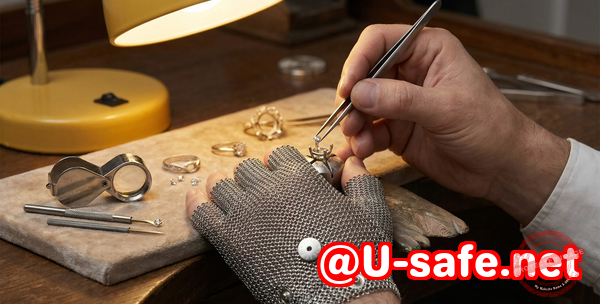
Common Challenges When Evaluating Chainmail
One of the first hurdles I faced was distinguishing welded rings from open rings. It sounds simple, but manufacturers often sell decorative chainmail that looks solid but isn’t properly welded. Open rings can bend or break easily, which is a serious safety issue if you’re using it for industrial cut protection or even handling sharp tools in the kitchen.
Another tricky part is stainless steel grades. I’ve seen so many buyers assume all “stainless steel chainmail” is created equal. In reality, 304 stainless steel is fine for decorative use or cosplay, but for harsh environments like food processing or industrial applications, 316 stainless steel is a much safer choice because of its superior corrosion resistance.
Lastly, the weave pattern and wire consistency often go unnoticed. Even with the right material, weak or inconsistent weaves can compromise durability. I remember testing a European 4-in-1 weave chainmail from a supplier that claimed industrial-grade qualityseveral rings pulled apart under minimal stress because the wire thickness varied across the piece. That’s why careful inspection is key.
How to Inspect Chainmail Like a Pro
Thanks to Aegimesh Chainmail, I now have a clear process for evaluating chainmail before I commit to a purchase. Here’s how I do it:
1. Check the Material Type
-
304 vs 316 stainless steel: 304 works for general-purpose or cosplay use. For food handling, marine environments, or industrial applications, choose 316 for corrosion resistance.
-
Look for supplier certifications or markings that indicate the steel grade. If it’s not listed, don’t assumeask for documentation.
2. Inspect the Ring Welds
-
Use a magnifying glass or your smartphone camera to look for a clean, uniform weld seam.
-
Avoid rings with visible gaps or uneven closures. Even a small opening can reduce strength significantly.
-
Run your fingernail along the seam; it should feel smooth, not rough or jagged.
3. Evaluate Wire Thickness and Ring Diameter
-
Wire thickness: Thicker wires increase durability, especially for cut-resistant chainmail. For industrial gloves or protective sleeves, 1.0 mm or higher is ideal.
-
Inner ring diameter: Consistency matters. European 4-in-1 weaves rely on precise ring sizing to maintain even distribution of force. I once tested rings that were slightly off in diameter, and the weave became loose, reducing protection.
4. Examine the Weave Pattern
-
The European 4-in-1 weave is the standard for strength. Count how many rings pass through each ringthere should be four.
-
Make sure the weave is consistent across the entire piece; uneven patterns can create weak spots.
5. Perform a Simple Pull Test
-
Grab a small section and gently pull on it. The weave should resist tension without any rings opening.
-
This is an easy way to check both the weld quality and the integrity of the weave.
6. Look for Signs of Corrosion or Poor Craftsmanship
-
Any discoloration, pitting, or flaking indicates low-quality steel or improper finishing.
-
Check that rings are smooth and uniform. Jagged edges or burrs are common in cheaper chainmail and can cause injury or catch on equipment.
Why Proper Inspection Matters
Taking the time to evaluate chainmail pays off in multiple ways:
-
Safety first: You avoid injuries caused by low-quality or fragile chainmail, especially in industrial or food-processing settings.
-
Durability assurance: Even decorative chainmail benefits from proper inspectionit won’t bend, warp, or fall apart prematurely.
-
Cost savings: You can spot low-quality products before purchase, saving money and frustration.
-
Confidence in use: Whether you’re wearing it for cosplay, handling sharp tools, or displaying a historical replica, you can trust the product to perform as expected.
Practical Tips for Choosing the Right Chainmail
-
Determine your purpose: Industrial, food-safe, or cosplay? Each requires different specifications.
-
Request detailed specs: Don’t rely on marketing claims; ask for steel grade, wire thickness, ring diameter, and weave pattern.
-
Test small sections first: Before committing to a full set, examine a swatch or sample for weld quality and weave consistency.
-
Understand maintenance: Stainless steel resists corrosion but still benefits from cleaning and occasional lubrication to maintain smooth movement.
I’ve personally found that following these steps transforms what used to be a stressful buying process into an informed, confident experience. For example, when sourcing chainmail gloves for a butcher shop, I used these inspection methods to choose a 316 stainless steel European 4-in-1 set. The gloves held up under heavy daily use without a single ring failure.
Conclusion
Buying high-quality chainmail doesn’t have to feel like navigating a minefield. By focusing on material type, weld integrity, wire thickness, ring diameter, and consistent weave patterns, you can confidently distinguish between unsafe, decorative pieces and chainmail built to last. I highly recommend following these steps to ensure any chainmail purchase meets safety and durability standards.
Learn more about identifying high-quality chainmail products: https://www.aegimesh.com/
Check out our detailed chainmail inspection guide today.
FAQ
Q: How can I tell if a chainmail ring is welded or open?
A: Examine the seam closely; a welded ring has a smooth, continuous seam with no gaps. Open rings often show a visible split.
Q: Which stainless steel grade is best for long-lasting chainmail?
A: For harsh environments, 316 stainless steel is ideal due to its superior corrosion resistance. 304 is suitable for decorative or cosplay use.
Q: How do I inspect the weave pattern for strength?
A: Count the number of rings passing through each ring. In a European 4-in-1 weave, each ring connects to four others. Check for consistency across the piece.
Q: What are the signs of low-quality or unsafe chainmail?
A: Look for uneven welds, inconsistent ring sizes, thin wires, discoloration, burrs, or any signs of corrosion.
Q: Can decorative chainmail be used for protective purposes?
A: Decorative chainmail is not recommended for industrial or cut protection; only properly welded, high-grade steel chainmail provides real safety.
Q: How do I choose the right chainmail for industrial vs cosplay use?
A: Determine your purpose first. Industrial use requires 316 stainless steel with thicker wire and precise European 4-in-1 weaves. Cosplay allows thinner wire and decorative finishes.
Q: Is there a quick way to test chainmail durability?
A: Yes, perform a pull test on a small section. It should resist tension without rings opening or distorting.
Keywords: chainmail quality, welded rings, stainless steel chainmail, cut-resistant chainmail, chainmail inspection, European 4-in-1 weave, steel metal chainmail durability, chainmail safety, high-quality chainmail, industrial chainmail





 한국어
한국어  Deutsch
  العربية