


Chainmail Aprons for Heavy-Duty Industrial Protection
Chainmail Aprons for Heavy-Duty Industrial Protection
When you’re shopping for chainmail, especially for heavy-duty industrial use, it’s easy to get overwhelmed. Whether you’re a chef in need of cut-resistant protection, an industrial worker, a cosplayer, or a historical reenactor, you want to make sure you’re investing in a high-quality product. But how do you know if the chainmail you’re looking at will actually protect youor if it’s just a decorative imitation?
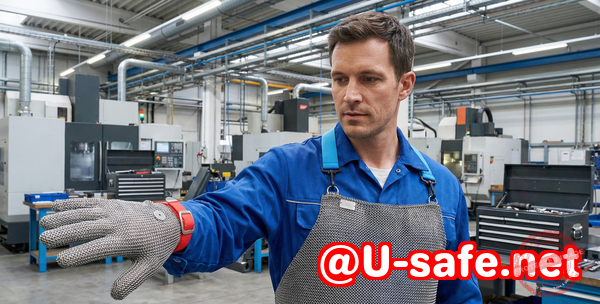
I’ve been there too. Trying to determine whether a piece of chainmail will meet the demands of industrial or professional use can be a daunting task. After all, chainmail isn’t just about looking cool or fitting a costume; when it’s used for safety purposes, you need to be confident that it’s up to the job. That’s why I’ve put together this guide to help you make an informed decision when purchasing chainmail products, whether for cut protection, cosplay, or historical reenactments. Let’s dive into how you can inspect and evaluate chainmail to ensure you’re getting the best quality.
The Common Pitfalls of Buying Chainmail
Buying the wrong chainmail can result in serious safety risks or wasted money. Many buyersmyself includedstruggle to distinguish between high-quality and low-quality chainmail. Below are a few common pain points I’ve come across when purchasing chainmail:
-
Welded Rings vs. Open Rings: Many buyers can’t tell the difference between welded rings (which are stronger) and open rings (which are often used in cheaper, less durable chainmail). When purchasing for safety, such as cut-resistant gloves or aprons, it’s crucial to choose welded rings for added strength.
-
Uncertain Stainless Steel Grades: Some chainmail is made from lower-grade stainless steel that might rust or lose its strength over time. You may find yourself asking: Is the chainmail made from the right grade of stainless steel? Does it resist corrosion, or will it weaken quickly?
-
Weak Weaves: You might encounter chainmail with poor weaving patterns. Weaving, such as the European 4-in-1, is essential for strength and durability. If the weave is inconsistent or the wire thickness isn’t right, the chainmail may not hold up to heavy-duty use.
These issues can be avoided with a little bit of knowledge about how to properly inspect chainmail before making a purchase. Here’s how you can do that.
How to Inspect Chainmail for Quality
Whether you’re looking for chainmail for industrial protection or a cosplay project, there are a few simple but effective ways to evaluate its quality. Let’s break it down step-by-step.
1. Check the Material: 304 vs. 316 Stainless Steel
The type of stainless steel used in the chainmail significantly impacts its durability. There are two main grades you should be aware of:
-
304 Stainless Steel: This is the most common and affordable type, but it’s not as corrosion-resistant as 316. It’s fine for lighter uses, such as decorative pieces or cosplay, but might not be the best choice for industrial or food-related applications.
-
316 Stainless Steel: If you’re looking for chainmail that will stand up to harsh conditions, choose 316 stainless steel. It’s more resistant to corrosion, especially from salt, chlorine, or acidic substances. It’s perfect for environments where the chainmail will be exposed to moisture, such as food processing or industrial jobs.
2. Inspect the Welded Rings
The welding quality of the rings is crucial for the chainmail’s strength. While open rings may be sufficient for decorative pieces, welded rings provide more durability and resistance to breaking.
Here’s how to inspect the welds:
-
Look at the ends of the rings: With welded rings, the ends should be fused together seamlessly. If there’s a visible gap or rough edges, it’s likely a sign of poor-quality welding.
-
Test the strength: You can do a simple pull test by gently tugging on the chainmail. If the rings shift or separate under slight pressure, the welding is weak and the chainmail may not be durable enough for industrial protection.
3. Evaluate Wire Thickness and Ring Diameter
The wire thickness and inner diameter of the rings determine how strong and protective the chainmail will be. For heavy-duty use, such as cut-resistant aprons or gloves, you’ll want thicker wire and a smaller ring diameter. Thicker wire increases the chainmail’s resistance to cutting, while a smaller ring diameter ensures that more rings are protecting you at once.
4. Assess the Weave Pattern: European 4-in-1
The weave pattern is another indicator of quality. A common and highly effective pattern used in industrial chainmail is the European 4-in-1 weave. This pattern involves each ring passing through four others, creating a tight, durable mesh that distributes force evenly. A high-quality weave will be neat, tight, and uniform. If you notice irregularities or loose rings in the pattern, it’s likely to compromise the chainmail’s strength.
Why Proper Chainmail Inspection Matters
I can’t stress this enoughproper inspection is key to ensuring you’re getting your money’s worth and staying safe. For industrial or food-processing use, you can’t afford to take shortcuts. Here’s why the inspection matters:
-
Safety First: Low-quality chainmail can compromise your safety. In industrial environments, a weak or inconsistent weave can fail under stress, putting you at risk of injury.
-
Long-Term Durability: High-quality chainmail will last longer. By ensuring the rings are welded correctly and the material is the right grade, you’re guaranteeing that your purchase won’t rust or lose its protective qualities over time.
-
Cost Efficiency: You’ll save money in the long run by investing in high-quality chainmail. Buying low-quality products might seem like a bargain at first, but they often wear out quickly, requiring replacements sooner than expected.
Practical Tips for Identifying High-Quality Chainmail
-
Pull Test: Gently pull on the rings to check if they’re securely welded and won’t easily separate.
-
Look for Rust or Corrosion: Stainless steel is resistant to corrosion, but lower-quality grades can still rust over time. If the chainmail shows signs of rusting, it’s probably not made from 316 stainless steel, which you want for industrial use.
-
Check the Rings: Make sure the rings are uniform in size and are not misshapen. Deformed rings can compromise the effectiveness of the weave.
Conclusion: How to Make the Right Choice
In my experience, taking the time to inspect chainmail before making a purchase is crucial. By following the simple steps outlined in this guide, you can ensure you’re investing in a high-quality product that meets your needs. Whether you’re using chainmail for heavy-duty industrial protection or as part of your cosplay outfit, a little knowledge goes a long way in helping you choose wisely.
I highly recommend following these steps to ensure any chainmail purchase meets safety and durability standards. Don’t settle for anything less than the best when it comes to protection or collectibles.
Learn more about identifying high-quality chainmail products: Aegimesh Chainmail
Check out our detailed chainmail inspection guide today!
FAQ
1. How can I tell if a chainmail ring is welded or open?
A welded ring will have no visible gap between the ends, and the edges will be smooth and even. Open rings may show uneven edges or gaps.
2. Which stainless steel grade is best for long-lasting chainmail?
For durability and corrosion resistance, 316 stainless steel is ideal for industrial and food-processing use. 304 stainless steel is suitable for decorative or lighter applications.
3. How do I inspect the weave pattern for strength?
Check that the weave is tight, uniform, and without any loose or irregular rings. A European 4-in-1 pattern is known for its durability.
4. What are the signs of low-quality or unsafe chainmail?
Signs include rust, poor welding, deformed rings, loose or inconsistent weaves, and weak wire thickness. Always check for these red flags.
5. Can decorative chainmail be used for protective purposes?
While decorative chainmail can look great for costumes or displays, it may not provide the same level of protection as industrial-grade chainmail made from 316 stainless steel with welded rings.
6. How do I choose the right chainmail for industrial vs cosplay use?
For industrial protection, choose chainmail made from 316 stainless steel with welded rings and a tight European 4-in-1 weave. For cosplay, 304 stainless steel or open rings may suffice.





 한국어
한국어  Deutsch
  العربية