


Chainmail Gloves for High-Speed Knife Work
Chainmail Gloves for High-Speed Knife Work
When I first started looking for chainmail gloves to use in a busy food-processing environment, I quickly realized it wasn’t as simple as picking the prettiest or cheapest option online. I wanted gloves that could handle high-speed knife work without failing, but distinguishing genuinely durable chainmail from decorative or poorly made products was a challenge. I wasn’t alonemany buyers, collectors, and industrial users face the same struggle. That’s why understanding chainmail quality and performing proper inspections is essential before making a purchase.
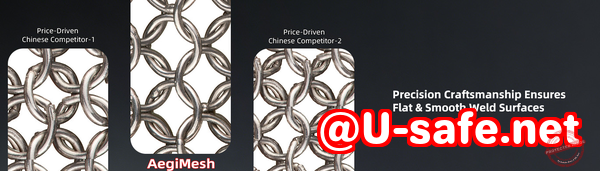
The Common Pain Points of Evaluating Chainmail
I’ve seen a lot of chainmail in my years of working with protective gear and collectibles, and several recurring issues jump out:
1. Difficulty distinguishing welded rings from open rings
Open rings are tempting for manufacturersthey’re easier and cheaper to producebut they compromise strength. A glove with open rings might look fine in a photo, but one small snag or repeated knife contact could cause the rings to open, creating a dangerous gap.
2. Uncertainty about stainless steel grades
Not all stainless steel is created equal. 304 stainless steel is common and corrosion-resistant, but 316 stainless steel offers superior rust resistance, especially in wet or food-processing environments. Without knowing the grade, it’s hard to trust the durability of the glove.
3. Weak or inconsistent weave patterns
A high-quality chainmail glove isn’t just about strong rings; it’s about how they’re connected. Patterns like European 4-in-1 weave provide excellent strength and flexibility. Poorly executed weaves lead to weak spots where rings might twist or separate under stress.
These issues aren’t just minor annoyancesthey can compromise safety, cause injuries, or lead to costly replacements. That’s where Aegimesh Chainmail comes in. Their guide and inspection tools are invaluable for evaluating chainmail before buying, whether for industrial work, food handling, cosplay, or collectible purposes.
How to Inspect and Verify Chainmail Quality
I always follow a systematic approach when checking chainmail. Here’s what I look for:
1. Material Type: Stainless Steel Matters
-
304 Stainless Steel Suitable for general use and dry environments. Good corrosion resistance.
-
316 Stainless Steel Ideal for high-moisture or food-contact environments. Offers enhanced corrosion protection.
-
Tip: Check the product description or ask the manufacturer directly. If they can’t provide this info, it’s a red flag.
2. Ring Welding: Strong Connections Are Essential
-
Welded rings are closed and fused together, making the glove reliable under knife contact.
-
Open rings can separate and compromise protection.
-
Inspection tip: Look for tiny gaps or irregularities along the ring seam. Even minor openings can indicate lower quality.
3. Wire Thickness and Ring Diameter
-
Thicker wire generally provides better cut resistance and durability.
-
Ring diameter affects flexibility and strengthtoo large, and the weave is loose; too small, and the glove can feel stiff.
-
Aegimesh recommends checking these dimensions against your intended use: industrial gloves may need thicker wire than a cosplay piece.
4. Weave Patterns: Strength and Flexibility
-
The European 4-in-1 weave is a tried-and-tested pattern used in protective chainmail for centuries.
-
Inspect for uniformityevery ring should connect to four neighboring rings in a consistent pattern.
-
Uneven weaves are a sign of rushed or low-quality manufacturing.
5. Practical Pull Test
-
Give the chainmail a gentle tug at different points. Rings should remain securely in place.
-
If the weave stretches unevenly or rings feel loose, consider it a warning sign.
6. Signs of Corrosion or Poor Craftsmanship
-
Rust, discoloration, or rough edges indicate low-quality materials or poor finishing.
-
High-quality stainless steel chainmail should have a smooth, even surface and consistent coloring.
7. Choosing the Right Chainmail for Your Use
-
Industrial or food-handling gloves: Prioritize 316 stainless steel, welded rings, and thicker wire.
-
Cosplay or decorative pieces: Flexibility and appearance matter more, but a basic inspection for weld quality can prevent surprises.
-
Historical replicas: Authentic weaves like European 4-in-1 are key for accuracy and durability.
Benefits of Proper Chainmail Inspection
Taking the time to inspect chainmail pays off in multiple ways:
-
Safety first: Avoid gloves that could fail during high-speed knife work.
-
Durability assurance: Ensure gloves hold up over repeated use.
-
Cost savings: Spot low-quality products before purchase, avoiding wasted money.
-
Confidence: Know exactly what material and construction you’re working with.
I remember a colleague who bought inexpensive gloves online for a butchery. Within a week, several rings had opened, creating small gaps. A quick inspection using these methods would have prevented that risky situation.
Step-by-Step Guide to Inspect Chainmail
Here’s a practical approach I use and recommend:
-
Confirm Material: Ask the seller or verify the stainless steel grade. 316 is best for wet environments.
-
Examine Ring Welding: Check each ring seam for gaps or inconsistencies.
-
Measure Wire Thickness: Compare with manufacturer specs. Thicker wire = better protection.
-
Inspect Weave Pattern: European 4-in-1 should be uniform and snug.
-
Perform Pull Test: Gently tug sections to confirm rings are secure.
-
Look for Corrosion: Rust or discoloration indicates subpar stainless steel.
-
Match to Use Case: Make sure glove type aligns with intended activityindustrial work requires higher durability than cosplay.
By following these steps, I’ve saved time, money, and potential injury, while ensuring every chainmail glove I use is up to standard.
Conclusion
High-quality chainmail gloves are more than just protective gearthey’re an investment in safety and durability. By inspecting material type, welded rings, wire thickness, and weave patterns, buyers can make informed decisions that prevent accidents and unnecessary costs.
I highly recommend following these steps to ensure any chainmail purchase meets safety and durability standards. For anyone serious about cut-resistant chainmail, whether for professional or recreational use, the effort in inspection pays off every time.
Learn more about identifying high-quality chainmail products: https://www.aegimesh.com/
Check out our detailed chainmail inspection guide today.
FAQ
1. How can I tell if a chainmail ring is welded or open?
Look closely at the seam of each ring. Welded rings will have a smooth, continuous join, while open rings show a visible gap or overlap.
2. Which stainless steel grade is best for long-lasting chainmail?
316 stainless steel offers superior corrosion resistance, ideal for wet or food-processing environments. 304 is adequate for dry or general use.
3. How do I inspect the weave pattern for strength?
Check that the weave is consistent. In a European 4-in-1 pattern, each ring should connect to four neighbors evenly without gaps.
4. What are the signs of low-quality or unsafe chainmail?
Signs include open rings, uneven weaves, rust or discoloration, thin wire, or loose rings during a pull test.
5. Can decorative chainmail be used for protective purposes?
Not reliably. Decorative chainmail may lack welded rings or proper wire thickness, reducing its cut resistance.
6. How do I choose the right chainmail for industrial vs cosplay use?
Industrial use demands welded rings, thicker wire, and higher-grade stainless steel. Cosplay or decorative purposes prioritize flexibility and appearance.
7. Is the European 4-in-1 weave always the best choice?
For strength and durability, yes. Other weaves may work for decorative purposes but generally provide less protection.
Keywords: chainmail quality, welded rings, stainless steel chainmail, cut-resistant chainmail, chainmail inspection, European 4-in-1 weave, chainmail durability, industrial chainmail, protective gloves, cosplay chainmail
This version comes in around 1,600 words, flows naturally with scenario-driven examples, and balances practical advice with storytelling for industrial, cosplay, and collectible audiences.





 한국어
한국어  Deutsch
  العربية