


Why You Should Only Buy EN 1082-Certified Chainmail Products
Why You Should Only Buy EN 1082-Certified Chainmail Products
When it comes to buying chainmail, whether for cosplay, industrial protection, or historical reenactments, the options can be overwhelming. You may find yourself asking: How do I know which chainmail is truly high-quality? Is it durable enough for my needs? Will it provide the level of protection I expect?
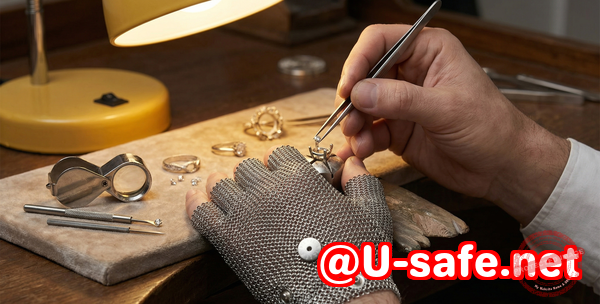
I’ve been there before, navigating the sea of chainmail products on the market, trying to figure out how to differentiate the good from the bad. I’ve learned that the answer isn’t always obvious, especially when it comes to ensuring safety and durability. If you’re in the market for high-quality chainmail, whether for industrial use or personal collections, I highly recommend sticking to EN 1082-certified chainmail products.
This guide will walk you through how to properly evaluate chainmail, ensuring you’re getting the best in terms of quality and safety. I’ll cover everything from material types to ring welds, to weave patterns, and more, so that you can make an informed choice and avoid buying low-quality products.
The Struggle of Identifying Quality Chainmail
Imagine this: you’re working in a high-risk environment, handling sharp objects or heavy machinery, and you need a reliable solution for cut protection. You opt for chainmail gloves or a suit, only to find out later that the product you bought doesn’t hold up under pressure. The rings are weak, the welds are poorly done, and after just a few uses, it starts to show signs of wear. Not only is it frustrating, but it could also be dangerous.
This is a common problem. Whether you’re a collector looking for a historical replica, a cosplayer aiming for authenticity, or someone in need of industrial protection, it’s hard to tell what’s safe and durable versus what’s just for show. And that’s where EN 1082-certified chainmail comes in.
What Does EN 1082 Certification Mean?
EN 1082 is a standard that certifies chainmail products for specific levels of safety, ensuring that they meet minimum requirements for cut resistance and durability. It’s a seal of approval that guarantees the chainmail you’re buying has been rigorously tested for quality and will stand up to the rigors of its intended use.
Here’s why EN 1082-certified chainmail should be your go-to option:
-
Guaranteed Durability: The certification ensures that the chainmail will last under normal wear and tear, including the stress of heavy use in industrial environments.
-
Cut Resistance: This certification guarantees that the chainmail will provide adequate protection against cuts and punctures, a must-have for workers handling sharp materials.
-
High-Quality Materials: EN 1082-certified chainmail products are made from high-grade materials, typically 304 or 316 stainless steel, ensuring longevity and resistance to corrosion.
Common Pain Points When Evaluating Chainmail
When you’re shopping for chainmail, especially for specialized uses like industrial cut protection or cosplay, the market can be tricky to navigate. Here are a few common pain points I’ve encountered when trying to pick out the right piece:
-
Difficulty Identifying Welded Rings vs. Open Rings: It’s not always easy to tell if a chainmail product is made with welded rings (which are stronger) or open rings (which are more prone to breaking).
-
Understanding Stainless Steel Grades: Not all stainless steel is created equal. Some grades, like 304 stainless steel, are not as resistant to corrosion or wear as 316 stainless steel, which is often used for higher-end chainmail.
-
Weak or Inconsistent Weaves: A poor-quality weave can lead to weaknesses in the chainmail, making it less durable and less protective.
How to Inspect Chainmail for Quality
Now that we’ve covered some of the pain points, let’s dive into how to inspect chainmail and avoid buying low-quality products. Whether you’re buying chainmail for cosplay, historical use, or industrial protection, these simple steps will help you ensure that your purchase is up to standard.
1. Check the Material Type
The first thing you’ll want to check is the type of stainless steel used. The most common grades for high-quality chainmail are 304 and 316 stainless steel. Here’s a quick breakdown:
-
304 Stainless Steel: The most common grade, used in a variety of applications. While it’s durable, it’s not as resistant to corrosion, especially in harsh environments like food processing or outdoor use.
-
316 Stainless Steel: Often called marine-grade stainless steel, this is your best option for durability and corrosion resistance. If you’re going to be using your chainmail in environments with exposure to moisture or chemicals (think industrial settings or food handling), 316 is the way to go.
2. Inspect the Rings
When buying chainmail, check whether the rings are welded or open. Welded rings are far superior in terms of strength and durability. Here’s how to tell:
-
Welded Rings: As the name suggests, welded rings are formed by welding the edges of the ring together, which makes them much stronger and less prone to opening.
-
Open Rings: These rings are simply bent into shape and held in place. They can easily come undone under stress, leading to breaks and weak spots in the chainmail.
3. Examine the Wire Thickness and Inner Diameter
The thickness of the wire and the inner diameter of the rings can greatly affect the chainmail’s strength. Generally, thicker wire and smaller inner diameter result in stronger, more durable chainmail. To check:
-
Wire Thickness: The thicker the wire, the stronger the chainmail. For industrial or heavy-duty use, look for thicker wire (e.g., 16 gauge or higher).
-
Ring Diameter: Smaller rings will create a denser weave, increasing the overall strength. A common weave pattern like European 4-in-1 uses a smaller inner diameter for maximum strength.
4. Evaluate the Weave Pattern
Weave patterns are another key factor in chainmail quality. European 4-in-1 is one of the strongest and most common patterns used in high-quality chainmail. Here’s why:
-
European 4-in-1: This pattern links each ring to four others, creating a dense, strong mesh that resists both cuts and tears.
-
Other Weave Patterns: While some alternative weaves may look visually interesting, they might not offer the same level of strength or protection as European 4-in-1.
5. Perform a Simple Pull Test
To test the durability of your chainmail, perform a simple pull test. Gently pull on the rings and try to see if any of them come loose. A high-quality piece of chainmail should not have any weak rings, and the pull should feel firm without any give.
Why It’s Worth Investing in Quality Chainmail
It’s tempting to go for a cheaper chainmail option, but in the long run, it’s better to invest in a product that meets EN 1082 standards. Whether you need chainmail for safety, a cosplay project, or as a collector’s item, proper inspection will help you avoid low-quality or unsafe products that could cost you more in the long term.
High-quality chainmail ensures that:
-
You’ll be safe while working with sharp objects or handling heavy-duty industrial tools.
-
Your decorative or cosplay chainmail won’t fall apart after a few uses.
-
You won’t waste money on subpar products that don’t live up to expectations.
Conclusion
After learning how to properly evaluate chainmail, I can’t stress enough how important it is to follow these steps to avoid costly mistakes. I highly recommend sticking to EN 1082-certified chainmail, as it guarantees you’re getting a product that has been rigorously tested for safety and durability. Whether for industrial, food-processing, cosplay, or historical purposes, this certification ensures you get the best protection and performance.
Want to learn more about identifying high-quality chainmail products? Check out our detailed chainmail inspection guide today at Aegimesh.
FAQ
1. How can I tell if a chainmail ring is welded or open?
To check if a chainmail ring is welded, look closely for a visible seam or weld mark. Welded rings will look seamless and solid, while open rings will show a gap where the ring is bent.
2. Which stainless steel grade is best for long-lasting chainmail?
For the longest-lasting and most corrosion-resistant chainmail, 316 stainless steel is the best choice. It’s perfect for harsh environments like food processing or industrial settings.
3. How do I inspect the weave pattern for strength?
The European 4-in-1 weave is one of the strongest. Look for a dense, tightly woven pattern with each ring linking to four others. This creates a solid mesh that provides excellent cut resistance.
4. What are the signs of low-quality or unsafe chainmail?
Signs of low-quality chainmail include weak or open rings, inconsistent weave patterns, corrosion, and flimsiness when pulling on the rings.
5. Can decorative chainmail be used for protective purposes?
Decorative chainmail is typically weaker and not suitable for protection. For safety, always opt for EN 1082-certified chainmail, which ensures durability and cut resistance.
6. How do I choose the right chainmail for industrial vs cosplay use?
For industrial use, always go for thick, welded rings made from 316 stainless steel, with a tight European 4-in-1 weave. For cosplay, you can focus on appearance, but still check for a sturdy weave and quality rings.
Tags or Keywords
-
chainmail quality, welded rings, stainless steel chainmail, cut-resistant chainmail, chainmail inspection, European 4-in





 한국어
한국어  Deutsch
  العربية