


Why Steel Chainmail Remains a Vital Part of Historical Warfare
Why Steel Chainmail Remains a Vital Part of Historical Warfare
When it comes to chainmail, one of the most enduring symbols of historical warfare, the quality of the material is everything. Whether you’re a re-enactor, a collector, a cosplayer, or someone in need of industrial cut protection, understanding how to evaluate the true value of steel chainmail can make all the difference. Chainmail is not just a piece of armor; it’s a safeguardboth in history and in modern times. But how do you ensure the product you’re buying is up to the task?
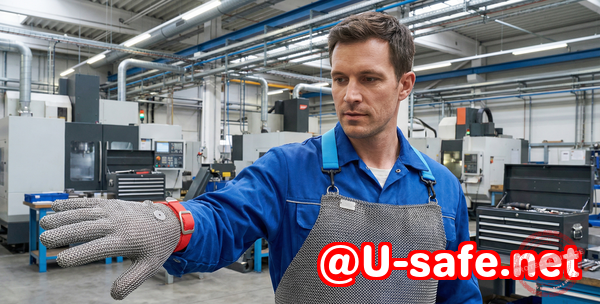
If you’ve ever found yourself wondering whether your chainmail purchase is actually up to standard, you’re not alone. It’s easy to get overwhelmed by the variety of products out there. Some may look great at first glance, but how can you tell if they’ll stand the test of timeor worse, fail to protect you when you need it most? Let’s break down what you need to know to identify high-quality steel chainmail that delivers both durability and safety.
The Common Struggles When Buying Chainmail
Buying chainmail can be tricky, especially when you’re aiming for quality. Below are a few common pain points I’ve encountered over the yearsand how to tackle them:
-
Welded vs. Open Rings
Not all rings are created equal, and distinguishing between welded and open rings is crucial. Open rings may look similar, but they lack the strength that welded rings provide. Open rings can bend or break under stress, leaving you exposed. A welded ring, on the other hand, will hold its shape and provide the robust protection you need.
-
Stainless Steel Grades and Corrosion Resistance
Many buyers don’t realize that not all stainless steel is the same. Chainmail made from lower-grade stainless steel may rust or corrode over time, especially in humid environments or if exposed to food-processing conditions. It’s essential to know the difference between 304 and 316 stainless steel. 316 is the higher-grade option, offering superior corrosion resistance, making it perfect for industrial and food-handling applications.
-
Inconsistent Weave Patterns
Weave patterns such as the European 4-in-1 are not only aesthetically pleasing but also provide the durability needed for real-world applications. A poor-quality weave may leave gaps that compromise the effectiveness of the chainmail. Ensuring that the rings are tightly woven and evenly spaced will give you a solid, reliable piece of armor or protective clothing.
Aegimesh Chainmail: Your Guide to Quality
At Aegimesh, we’re all about ensuring you get the best quality chainmail for your needs. Whether you’re looking for something for cosplay, historical reenactment, or industrial protection, we provide a guide and inspection tools that help you evaluate the true quality of any chainmail product.
Here’s what you need to know when inspecting chainmail:
-
Material Type
The first step in assessing chainmail quality is to check the material. Is it made from high-grade stainless steel like 304 or 316? If it’s not labeled, ask the supplier. 316 stainless steel, with its superior resistance to corrosion, is perfect for industrial uses or exposure to food and water. 304 stainless steel may be suitable for display or cosplay, but it’s more prone to rust under harsh conditions.
-
Ring Welding
One of the easiest ways to assess quality is by checking the rings. Gently pull a few rings apart and see if they remain intact. If the rings open up easily, it’s a sign they’re not welded and will lose their strength over time. Welded rings are much more durable and secure, making them a better option for heavy-duty use.
-
Wire Thickness and Ring Diameter
The wire thickness and ring diameter are crucial when evaluating chainmail. Thicker wire provides better protection, while rings that are too small or too large can result in an ineffective weave. The ideal diameter will vary depending on the intended use, but the wire should be thick enough to resist cutting or bending while allowing for comfortable movement.
-
Weave Patterns: European 4-in-1
European 4-in-1 is one of the most common and durable weave patterns, known for its strength. This pattern creates a solid, interlocked grid of rings that distributes force evenly. Inspect the weave closely to ensure that the rings are evenly spaced and the pattern is consistent. If you see uneven gaps or poorly fitted rings, the product may be subpar.
Why Proper Chainmail Inspection Matters
Now that we’ve covered what to look for, let’s discuss why these inspection methods are so important. By performing a thorough inspection, you can:
-
Avoid Unsafe Purchases
Some chainmail, especially lower-quality versions, may fail under stress. Poor-quality materials and weak weaves can result in safety hazards, especially if you intend to use the chainmail for industrial or cut-resistant purposes. Ensuring your product meets proper standards can prevent costly accidents.
-
Ensure Durability
A high-quality chainmail will last longer, whether it’s for historical re-enactments, industrial use, or cosplay. Identifying the correct weave, material, and ring construction will ensure that your purchase holds up over time.
-
Save Money
By inspecting chainmail thoroughly, you can avoid purchasing cheap knock-offs that don’t live up to their promises. It’s far better to pay a bit more for quality than to waste money on products that don’t perform as expected.
Practical Tips for Inspecting Chainmail
Performing a quality check doesn’t have to be complicated. Here’s a simple step-by-step guide to help you inspect chainmail effectively:
-
Pull Test: Grab a few rings and gently pull them apart. If they hold their shape and don’t easily come apart, they’re likely welded. If they open up, the chainmail is made of open rings and likely won’t offer the same level of protection.
-
Visual Inspection for Corrosion: Look closely at the surface of the rings. Are there any signs of rust or pitting? Rust can weaken the material over time and make it unsafe for use. If you see corrosion, it’s time to pass on the product.
-
Check the Weave: Run your fingers over the weave to feel for consistency. If any rings feel loose, or if the weave seems uneven, this may indicate poor craftsmanship. A high-quality piece should feel solid and uniform.
-
Determine the Right Use: Consider what you need the chainmail for. Industrial chainmail needs to be thicker, more durable, and corrosion-resistant. For cosplay, lighter, more decorative pieces may be fine, but make sure the product still has the right quality for your needs.
Conclusion: Invest in Quality Chainmail
As we’ve seen, it’s essential to inspect chainmail carefully to ensure you’re making a wise investment. A high-quality chainmail product will stand the test of time, provide adequate protection, and save you money in the long run. Whether you’re looking for industrial protection, a historical replica, or a cosplay piece, following the right inspection methods can make all the difference.
I highly recommend following these steps to ensure any chainmail purchase meets safety and durability standards. It’s better to invest in quality upfront than to face the consequences of a poor product down the road.
Learn more about identifying high-quality chainmail products: https://www.aegimesh.com/
Check out our detailed chainmail inspection guide today.
Frequently Asked Questions
-
How can I tell if a chainmail ring is welded or open?
The best way to tell is by performing a simple pull test. If the rings separate easily, they’re open. If they stay intact, they’re likely welded.
-
Which stainless steel grade is best for long-lasting chainmail?
316 stainless steel is the superior choice for long-lasting durability, especially if you’re concerned about corrosion. 304 is also a good option for lighter applications like cosplay.
-
How do I inspect the weave pattern for strength?
European 4-in-1 is one of the strongest patterns. Look for evenly spaced, tightly woven rings with no gaps or loose ends.
-
What are the signs of low-quality or unsafe chainmail?
Look for weak, open rings, inconsistent weaves, or signs of rust. These are signs that the chainmail may not provide adequate protection.
-
Can decorative chainmail be used for protective purposes?
Decorative chainmail is often lighter and not as durable as protective versions. It’s best suited for cosplay or display, but not for industrial or safety purposes.
-
How do I choose the right chainmail for industrial vs cosplay use?
Industrial chainmail needs to be thicker, welded, and corrosion-resistant. For cosplay, you can choose lighter, more decorative chainmail, but ensure it still has a strong weave.
-
What should I do if my chainmail has signs of wear or corrosion?
If your chainmail shows signs of wear or corrosion, it’s important to replace it to ensure continued protection, especially for industrial or food-related tasks.
Tags or Keywords
-
chainmail quality
-
welded rings
-
stainless steel chainmail
-
cut-resistant chainmail
-
chainmail inspection
-
European 4-in-1 weave





 한국어
한국어  Русский
  Deutsch
  العربية