


The Durability and Flexibility of Steel Chainmail Armor
The Durability and Flexibility of Steel Chainmail Armor
When it comes to buying chainmailwhether for protection, display, or cosplayit’s easy to feel overwhelmed. With so many options on the market, how can you be sure that the product you’re looking at is high-quality, safe, and durable? I’ve often found myself in the same situation, unsure of what exactly to look for to ensure the chainmail I’m purchasing is worth the investment. If you’ve ever felt that frustration, you’re not alone.
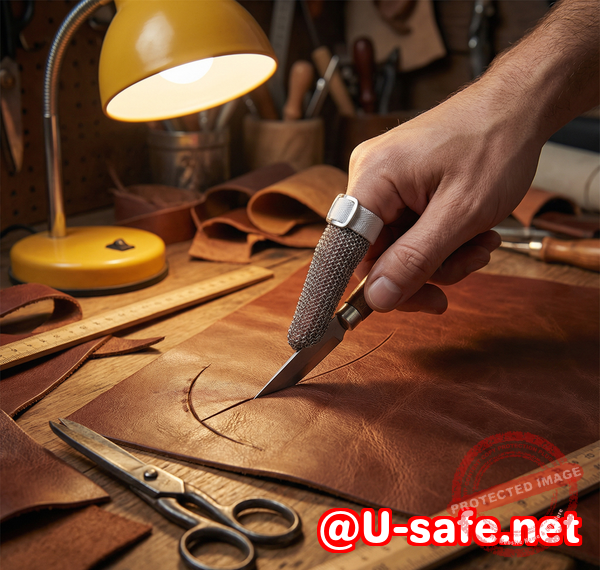
In this guide, I’m going to walk you through how to identify high-quality chainmail products, focusing specifically on steel chainmail armor. Whether you’re a buyer, a collector, or an industrial user, understanding how to evaluate chainmail for safety, durability, and flexibility is essential. Let’s dive into some of the most common pain points buyers face and how you can avoid low-quality or unsafe chainmail purchases.
The Struggle of Identifying High-Quality Chainmail
When I first started buying chainmail, I made plenty of mistakes. There were so many different types of steel, various ring styles, and weave patterns that it became almost impossible to differentiate between a solid product and one that wouldn’t last. Maybe you’ve had the same experience: picking up a chainmail item only to find it’s flimsy, rusts easily, or simply doesn’t perform as expected.
A major concern I’ve had, especially when dealing with industrial chainmail for cut protection, is distinguishing between welded and open rings. Open rings are a red flag, as they can’t offer the same durability and protection as welded rings. There’s also the matter of material quality. Not all steel is created equal, and some grades of stainless steel are far more resistant to corrosion and wear than others. These are the kinds of issues I want to help you avoid.
How to Identify High-Quality Chainmail: A Step-by-Step Guide
Aegimesh Chainmail offers a great solution for those who want to learn how to inspect chainmail before making a purchase. Here’s a simple, step-by-step approach you can follow to ensure that your chainmail purchase is of the highest quality:
1. Material Matters: 304 vs. 316 Stainless Steel
One of the first things to check when evaluating chainmail is the material used. Stainless steel is the gold standard, but did you know there are different types of stainless steel? The most common grades used in chainmail are 304 stainless steel and 316 stainless steel.
-
304 Stainless Steel: This is a versatile, general-purpose grade that offers solid corrosion resistance. It’s a good choice for decorative or cosplay chainmail, but it may not be the best for industrial or food-handling environments.
-
316 Stainless Steel: This grade is more corrosion-resistant than 304 steel, making it ideal for industrial use, food processing, or anywhere chainmail will be exposed to moisture or chemicals regularly.
2. Welded Rings vs. Open Rings
Another crucial factor in chainmail quality is the type of rings used. Welded rings are far more durable than open rings, as the weld prevents the rings from separating over time. When inspecting chainmail, check the edges of the rings. If you see any gap or break in the ring, it’s likely an open ring, which compromises the chainmail’s integrity.
Here’s a simple test: Try pulling apart two adjacent rings. If they separate, you’re dealing with an open ring, and that chainmail may not hold up well under pressure.
3. Wire Thickness and Ring Diameter
The thickness of the wire and the diameter of the rings play a significant role in the chainmail’s strength. Thicker wires and larger rings are generally stronger, but they may reduce flexibility. For industrial applications, a thicker wire may be necessary, especially when dealing with sharp tools or heavy machinery.
However, if you’re purchasing chainmail for cosplay or historical re-enactments, you may want to balance durability with comfort and flexibility. A thinner wire with smaller rings can provide more flexibility, though it may not be as cut-resistant.
4. Weave Pattern: European 4-in-1 for Maximum Strength
The European 4-in-1 weave is one of the most popular and strongest patterns used in steel chainmail. In this weave, each ring is linked to four others, creating a tight and durable pattern that can withstand stress and impact. When inspecting chainmail, make sure to look closely at the weave. If the rings appear too spaced out or loosely connected, it may indicate a poor-quality product.
5. Conduct a Pull Test
A quick way to check the durability of chainmail is to do a pull test. Take a section of the chainmail and give it a good tug. If the rings separate or bend easily, the chainmail is not of high quality. A high-quality product should hold firm and resist deformation under moderate stress.
6. Check for Corrosion or Rust
Even stainless steel can corrode if not properly treated or if exposed to harsh environments for too long. If you notice any signs of rust, pitting, or discoloration on the chainmail, it’s likely a low-quality product or one that’s been poorly maintained.
Why These Inspection Steps Matter
You might be wondering, why go through all this trouble? The answer is simple: Safety and durability.
-
Industrial Use: If you’re purchasing chainmail for cut-resistant protection in an industrial setting, you’ll want to ensure the product can withstand daily wear and tear. Poor-quality chainmail could tear, break, or fail to protect you when you need it most.
-
Food Processing: Chainmail is widely used in the food industry, particularly for workers handling sharp knives. Low-quality chainmail could expose workers to cuts and injuries.
-
Cosplay and Historical Replicas: While durability is still important here, flexibility and comfort become more of a concern. You’ll want chainmail that looks great and lasts without being too heavy or restrictive.
-
Saving Money: By learning how to properly evaluate chainmail, you can avoid wasting money on low-quality or decorative items that don’t deliver the performance you expect.
My Personal Recommendation
Having gone through the process of buying chainmail for different purposes, I can confidently say that following these inspection methods is the best way to ensure you get a product that meets your needs. Whether you’re looking for something to protect yourself on the job or a beautiful piece for your costume collection, Aegimesh Chainmail provides a reliable reference to help you make the right choice.
I highly recommend you check out Aegimesh’s detailed chainmail inspection guide here to learn more about evaluating chainmail products before you make a purchase. Your peace of mind and wallet will thank you.
Perguntas frequentes
1. How can I tell if a chainmail ring is welded or open?
Check for any visible gaps between the ends of the rings. Welded rings will be seamless, while open rings may have a visible split or gap.
2. Which stainless steel grade is best for long-lasting chainmail?
For durability and corrosion resistance, 316 stainless steel is the best choice. It’s perfect for industrial and food-handling environments.
3. How do I inspect the weave pattern for strength?
Look for a tight European 4-in-1 weave, where each ring is connected to four others. The pattern should be uniform and consistent.
4. What are the signs of low-quality or unsafe chainmail?
Low-quality chainmail often shows signs of poor craftsmanship, such as loose or uneven rings, rust, corrosion, or weak welds. If you can pull rings apart easily, the chainmail is likely unsafe.
5. Can decorative chainmail be used for protective purposes?
While decorative chainmail can look great, it may not provide the level of protection needed for industrial or cut-resistant uses. Make sure to select the appropriate grade and weave for the task at hand.
6. How do I choose the right chainmail for industrial vs. cosplay use?
For industrial use, prioritize thick, welded rings and 316 stainless steel for cut resistance. For cosplay, comfort and flexibility matter more, so consider lighter, thinner rings with a European 4-in-1 weave.
Learn more about identifying high-quality chainmail products: Aegimesh
Check out our detailed chainmail inspection guide today!





 한국어
한국어  Русский
  Deutsch
  العربية