


Steel Metal Chainmail as a Core PPE Component
Steel Metal Chainmail as a Core PPE Component
When it comes to safety gear, few things are as iconic as chainmail. Whether it’s used for protection in industrial settings or worn for cosplay or historical reenactments, chainmail has earned its place in history as an essential form of defense. However, with its growing popularity, buyers, collectors, and even industrial professionals often struggle to differentiate between high-quality and low-quality chainmail. This issue is particularly concerning in contexts where safety is paramount, like food handling, industrial work, and protective gear.
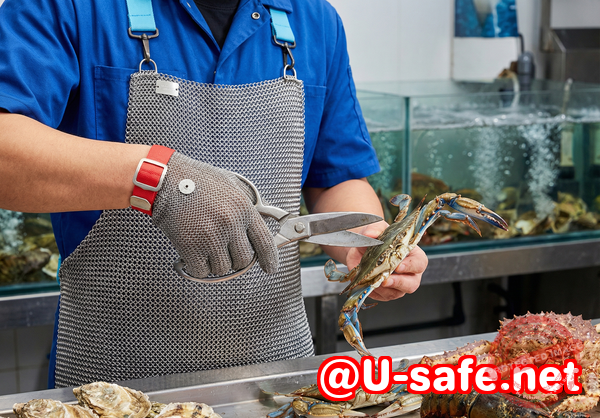
I’ve been in the same boat myself: wanting to purchase chainmail for its durability and protective qualities, but struggling to identify the right product. That’s why understanding how to evaluate chainmail quality is crucial for anyone looking to make a purchase they can trust.
In this guide, I’ll walk you through key elements to look for when inspecting chainmail products, from the type of rings used to evaluating weave patterns. By the end, you’ll have the knowledge you need to make informed decisions and avoid unsafe or ineffective purchases.
Understanding Chainmail Quality: What to Look For
The beauty of chainmail lies in its simplicity and functionality. But when it comes to ensuring that the chainmail you’re considering is of high quality, there are several factors that play into its overall effectiveness.
1. Welded vs. Open Rings: Why It Matters
A common concern is how to tell the difference between welded and open rings in chainmail. Welded rings are far superior when it comes to strength and durability. Open rings, which are just interlinked but not fused, can weaken over time and lose their integrity under stress.
How to Inspect:
-
Look closely at the individual rings. If you see a small visible seam or gap, it’s likely an open ring.
-
If the ring appears seamless, with the edges fused together, it’s a welded ring.
-
Tip: Always choose chainmail with welded rings for any application requiring long-term durability, like industrial work or heavy use.
2. Stainless Steel: 304 vs. 316 Which One to Choose?
When it comes to material selection, not all stainless steel is created equal. The two most common types you’ll find in chainmail are 304 and 316 stainless steel. While both are resistant to rust and corrosion, 316 stainless steel has a higher resistance to corrosion and is particularly suited for harsh environments, like food processing or outdoor use.
How to Inspect:
-
The best way to know the grade is by asking the manufacturer, but for personal inspection, look for product labels or certificates that detail the grade of steel used.
-
Tip: If your chainmail will be exposed to moisture or harsh chemicals, always opt for 316 stainless steel. If you’re on a budget or the chainmail will be used in less extreme conditions, 304 can suffice.
3. Wire Thickness and Ring Diameter: Crucial for Durability
The wire thickness and inner diameter of the rings are also critical for determining the strength of the chainmail. Too thin of a wire, or too large of a ring diameter, and the chainmail won’t hold up well under pressure.
How to Inspect:
-
Use a micrometer or caliper to measure the wire thickness.
-
Check the ring diameter by comparing it to a standard ruler or measuring tool.
-
Tip: Look for a balance in the wire thickness and ring diameter. Too thick a wire and the chainmail may become stiff and uncomfortable. Too thin and it won’t offer adequate protection.
4. Weave Patterns: How to Spot the Strongest Options
The weave pattern affects how much strength the chainmail offers. A popular and durable weave pattern is the European 4-in-1, which uses four rings to interlink with each other in one direction and one ring to interlink in the opposite direction. This creates a strong, flexible structure.
How to Inspect:
-
Examine the weave pattern visually. The European 4-in-1 pattern is easily recognizable, with a consistent arrangement of rings.
-
Tip: For industrial applications or any use where strength and flexibility are crucial, look for the European 4-in-1 pattern. It’s one of the strongest weaves available.
Why Chainmail Quality Matters
A poorly made chainmail product can cause more harm than good. Imagine wearing chainmail that falls apart under pressure, leaving you exposed to potential injury. Or worse, purchasing decorative chainmail that looks the part but offers little in terms of actual protection.
When evaluating chainmail, you want to ensure that the product you’re purchasing will provide the protection or durability you’re expecting, whether it’s for industrial use, cosplay, or historical reenactments.
Here’s why quality matters:
-
Avoiding Safety Risks: Low-quality chainmail can break under stress, leaving you vulnerable to cuts or impacts. It’s essential to inspect the product thoroughly to avoid this risk.
-
Ensuring Durability: Chainmail should be durable enough to withstand daily wear, whether it’s worn as protective gear or for display. Choosing high-quality products ensures that your investment lasts.
-
Saving Money: Poorly made chainmail will need to be replaced more frequently, leading to higher costs in the long run. Identifying quality products upfront helps save money in the future.
Practical Tips for Evaluating Chainmail
Now that you know what to look for, here are some practical tips for inspecting chainmail in person or online.
1. Perform a Pull Test
A simple but effective way to evaluate chainmail is by performing a pull test. Gently pull on a few rings in the chainmail to see how much force it can withstand before the rings start to stretch or come apart.
Tip: If you notice rings stretching, cracking, or falling apart, the chainmail is likely made from low-quality materials.
2. Check for Corrosion
Inspect the chainmail for signs of rust or corrosion. While stainless steel is resistant to corrosion, low-quality or poorly treated steel can still develop rust over time.
Tip: If you see any rust spots, it’s best to avoid that product, especially if you need the chainmail for industrial or food safety purposes.
3. Evaluate Flexibility and Comfort
High-quality chainmail should be flexible and comfortable to wear. If the chainmail is stiff or uncomfortable, it may be poorly made, or the rings may not have been woven correctly.
Tip: Try the chainmail on or handle it to see how it moves. A good quality piece will flow naturally and won’t feel rigid.
Conclusion: Choosing the Right Chainmail for Safety and Durability
Chainmail may seem like a simple product, but there are many factors that contribute to its overall quality. Whether you’re buying chainmail for industrial protection, food handling, cosplay, or historical purposes, it’s important to understand how to inspect and evaluate each piece.
I highly recommend following these steps to ensure any chainmail purchase meets the necessary safety and durability standards. You can’t go wrong with chainmail made from welded rings, 316 stainless steel, and a strong European 4-in-1 weave. These qualities will give you peace of mind, whether you’re wearing it for safety or display.
If you’re still unsure about how to inspect chainmail or want to make sure you’re buying the best, check out our detailed chainmail inspection guide to learn more!
Frequently Asked Questions
1. How can I tell if a chainmail ring is welded or open?
Welded rings will appear seamless, while open rings will have a visible seam. If you’re in doubt, always ask the manufacturer for clarification.
2. Which stainless steel grade is best for long-lasting chainmail?
316 stainless steel is the best for environments where corrosion resistance is key, while 304 is fine for less demanding uses.
3. How do I inspect the weave pattern for strength?
Look for even, consistent weaves like the European 4-in-1. This pattern is known for its strength and durability.
4. What are the signs of low-quality or unsafe chainmail?
Signs include rust, weak rings that stretch or break, uncomfortable stiffness, and inconsistent weave patterns.
5. Can decorative chainmail be used for protective purposes?
Typically, no. Decorative chainmail often lacks the durability needed for protection and should not be relied upon for safety in industrial settings.
6. How do I choose the right chainmail for industrial vs. cosplay use?
For industrial use, choose chainmail made from welded rings and 316 stainless steel. For cosplay, you can opt for decorative chainmail, but ensure it fits the character’s requirements.
7. How do I maintain my chainmail?
Regularly clean your chainmail to prevent corrosion, especially if you use it in harsh environments. Make sure to inspect it periodically for damage.
Tags or Keywords
-
chainmail quality, welded rings, stainless steel chainmail, cut-resistant chainmail, chainmail inspection, European 4-in-1 weave, chainmail durability




 한국어
한국어  Русский
  Deutsch
  العربية