


Steel Mesh vs Chainmail Key Differences Explained
Steel Mesh vs Chainmail: Key Differences Explained
When it comes to buying chainmail, especially for industrial, cosplay, or decorative purposes, one question that often arises is: How can I tell if what I’m looking at is truly high-quality? Whether it’s for historical reenactment, safety protection, or as a unique piece of artwork, the durability and quality of chainmail can vary widely, and knowing how to differentiate between high-end and low-end products can save you time, money, and even prevent safety risks.
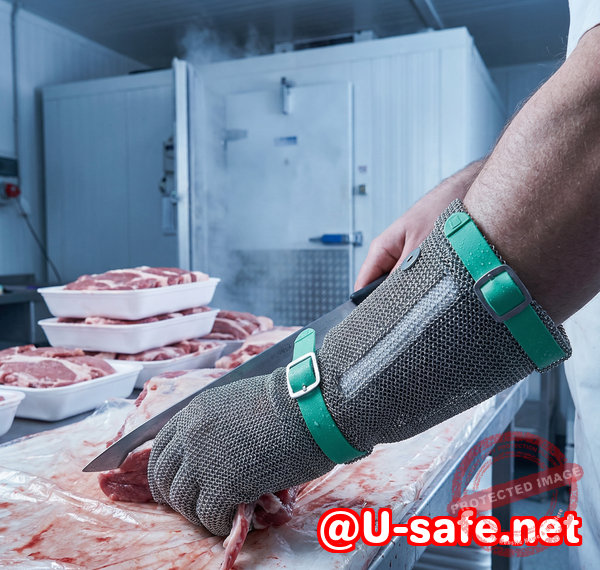
In this article, we’ll dive into the key differences between steel mesh and chainmail, share practical tips for inspecting chainmail quality, and help you make informed decisions when purchasing. By the end, you’ll have a clear understanding of how to evaluate the chainmail you’re considering and ensure it meets the necessary standards for its intended use.
Opening Paragraph
Picture this: You’ve just found a gorgeous medieval chainmail shirt online, and you’re ready to make the purchase. However, you have lingering doubtsIs this chainmail really up to the task? Will it hold up for years of use, or is it just a decorative piece? Perhaps you’re in need of cut-resistant chainmail for food processing, but you’re not sure which product will truly protect you.
This is a common dilemma faced by many buyers, from collectors to industrial users. The issue lies in the vast range of chainmail products available, from historically accurate replicas to low-cost imitations, some of which may not offer the durability or safety you need. The good news is that there are simple ways to spot high-quality chainmail that will not only look great but also serve its intended function for years to come.
Steel Mesh vs Chainmail: Understanding the Difference
Before we dive into the specifics of inspecting chainmail, it’s essential to understand the distinction between steel mesh and chainmail, as they are often used interchangeably, but they serve different purposes.
Steel mesh is often used in industrial applications and is made from welded metal wire, forming a flat sheet or panel. This mesh is ideal for applications such as fencing, grating, and some forms of protective wear. However, it’s not typically designed for flexibility or the level of protection that chainmail offers.
Chainmail, on the other hand, is a flexible, interwoven pattern of metal rings designed to protect the wearer. Traditionally made from steel, chainmail is used in armor, cut-resistant clothing, and even some types of decorative clothing. Its unique weave provides both strength and flexibility, which steel mesh lacks.
Knowing which one is right for you depends entirely on your use case. Industrial workers might require steel mesh for durability, while those seeking medieval authenticity or cut protection might need genuine chainmail.
Common Pain Points When Evaluating Chainmail
For buyers, evaluating the quality of chainmail can be tricky. Below, I’ll cover a few of the most common challenges faced during the buying process and explain how to avoid making costly mistakes.
1. Welded Rings vs Open Rings:
Many chainmail products out there use open rings, which are not welded shut. These rings can pull apart with minimal force, compromising the integrity of the entire piece. To ensure you’re buying durable chainmail, check whether the rings are welded (seamless) or open. Welded rings provide a much stronger, longer-lasting connection between the rings, which is essential for both decorative and protective chainmail.
Tip: Test the rings by pulling on them gently. If the rings are welded, they should stay secure. If they’re open, you may notice movement or the ability to pull them apart easily.
2. Stainless Steel Grade Confusion:
Not all stainless steel is created equal. While 304 stainless steel is commonly used in chainmail, it’s less resistant to corrosion than 316 stainless steel, which is typically used in higher-end or industrial-grade products. If you’re buying chainmail for heavy-duty use, particularly in food processing or industrial environments, make sure you’re getting 316 stainless steel.
Tip: Always check the product specifications for stainless steel grade. 304 is common and more affordable, but 316 will offer superior corrosion resistance, making it more suitable for harsh environments.
3. Weak or Inconsistent Weaves:
The pattern and tightness of the weave are crucial for the strength and flexibility of the chainmail. The European 4-in-1 weave is one of the strongest and most commonly used patterns, offering a good balance between durability and flexibility. However, some lower-quality chainmail may use loose or inconsistent weaves, reducing its overall strength.
Tip: Check for a consistent, tight weave pattern. A good-quality piece of chainmail should feel sturdy, not flimsy or too loose.
How to Inspect Chainmail for Quality
So, how do you ensure the chainmail you’re buying is top-notch? Here’s a step-by-step guide to inspecting chainmail for quality, whether it’s for industrial use, cosplay, or historical purposes.
1. Check the Material:
The material should be clearly stated in the product description. The best chainmail is made from high-quality stainless steel (304 or 316). If you’re buying chainmail for cut protection or industrial use, 316 stainless steel is highly recommended due to its superior corrosion resistance.
2. Inspect the Rings:
As mentioned earlier, inspect the rings to see whether they’re welded or open. Welded rings are generally the better choice for long-lasting durability and strength.
Pro Tip: You can also do a simple test by gently pulling on the rings. If they’re welded properly, they won’t bend or separate easily.
3. Look at the Weave:
Inspect the weave pattern. The European 4-in-1 weave is the most common and strongest. This weave involves four rings passing through one central ring, creating a robust structure. Make sure the rings are not excessively loose, and there shouldn’t be any gaps between the rings.
4. Check the Wire Thickness and Diameter:
Thicker wire and smaller inner diameters usually lead to stronger chainmail. The wire thickness and the inner diameter of the rings play a huge role in the overall durability of the chainmail. If you’re buying chainmail for protection, ensure the wire is thick enough to provide adequate defense against cuts.
Tip: A good-quality chainmail piece should feel substantial but not excessively heavy. It should also fit together tightly, with no gaps between the rings.
5. Evaluate the Craftsmanship:
Take a close look at the craftsmanship. Poorly crafted chainmail may have uneven ring sizes, visible welding marks, or rough edges. High-quality chainmail should have a polished finish, with smooth edges and consistent rings.
Why Chainmail Quality Matters
When it comes to chainmail, the quality directly impacts its effectiveness. Low-quality chainmail can lead to:
-
Increased wear and tear: Thin or poorly welded rings can break down quickly, making your chainmail ineffective.
-
Safety risks: If you’re using chainmail for industrial or food processing purposes, low-quality materials may not offer adequate protection from cuts or other hazards.
-
Uncomfortable wear: Low-quality chainmail may not fit well, resulting in discomfort for the wearer, especially in cosplay or historical reenactments.
By following the inspection tips mentioned above, you can avoid these issues and ensure your chainmail meets both your aesthetic and functional needs.
Conclusion
In summary, inspecting chainmail for quality doesn’t have to be complicated. By knowing what to look forsuch as the material, the weld type, the weave pattern, and the craftsmanshipyou can easily identify high-quality chainmail that will stand the test of time and provide the protection or decoration you need. I highly recommend following these steps to ensure any chainmail purchase meets safety and durability standards.
Want to learn more about how to identify high-quality chainmail products? Check out our detailed chainmail inspection guide today.
FAQ
-
How can I tell if a chainmail ring is welded or open?
Simply pull on the ring. Welded rings will remain secure, while open rings can be separated with minimal force.
-
Which stainless steel grade is best for long-lasting chainmail?
For superior corrosion resistance and durability, 316 stainless steel is recommended, especially for industrial or food-processing use.
-
How do I inspect the weave pattern for strength?
Look for a consistent European 4-in-1 weave. The rings should be tightly woven with no gaps between them.
-
What are the signs of low-quality or unsafe chainmail?
Weak rings, inconsistent weaves, and poor craftsmanship (e.g., visible welding marks or rough edges) are signs of low-quality chainmail.
-
Can decorative chainmail be used for protective purposes?
While decorative chainmail can look great, it may not offer the necessary protection for industrial or safety uses. Be sure to check the material and weave for durability.
-
How do I choose the right chainmail for industrial vs cosplay use?
For industrial use, focus on thicker, welded rings made from 316 stainless steel. For cosplay, aesthetic considerations may outweigh durability, but make sure the chainmail fits well and is comfortable.
Tags or Keywords
chainmail quality, welded rings, stainless steel chainmail, cut-resistant chainmail, chainmail inspection, European 4-in-1 weave




 한국어
한국어  Русский
  Deutsch
  العربية