


Steel Chainmail Armor A Step Toward Authentic Medieval Reenactments
Steel Chainmail Armor: A Step Toward Authentic Medieval Reenactments
When stepping into the world of medieval reenactments or cosplay, finding the right chainmail can be a daunting task. For many enthusiasts, the goal is to create an authentic and functional representation of historical armor, but it’s not always easy to distinguish between genuine, high-quality chainmail and low-grade imitations that look the part but fail to perform when it matters most. Whether you’re looking for protection in a reenactment, need industrial cut-resistant material, or simply want a piece of art for your collection, this guide will help you identify what makes chainmail truly exceptional.
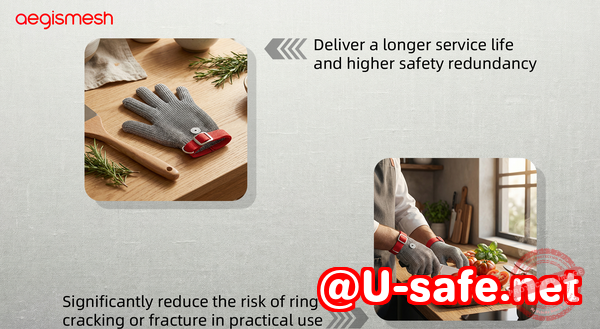
In this article, we will walk through the key features that differentiate high-quality chainmail from the rest, explaining how you can avoid purchasing subpar products. Along the way, I’ll provide you with practical tips on how to inspect chainmail for safety, durability, and authenticitywhether you’re a collector, an industrial user, or someone preparing for your next cosplay event.
Understanding Chainmail Quality: The Basics
When purchasing chainmail, it’s easy to get lost in a sea of options, each claiming to be the best. But here’s the truth: not all chainmail is created equal. The difference in quality can impact both the aesthetics and functionality of the product. So, how can you make sure you’re investing in the real deal?
First, it’s essential to understand the key factors that determine chainmail quality: the material, the ring structure, the weave, and the craftsmanship. Let’s dive into each of these elements and how you can assess them.
Material Matters: Stainless Steel vs. Low-Grade Metals
One of the most crucial aspects to consider when evaluating chainmail is the material it’s made from. The most reliable and long-lasting chainmail is crafted from stainless steel, but even within that category, there are different grades.
-
304 Stainless Steel: While this is a common material used for many chainmail products, it’s important to note that 304 stainless steel is not as corrosion-resistant as other grades, such as 316. It’s a great choice for display pieces or costume use but may not hold up as well in industrial settings or for heavy use.
-
316 Stainless Steel: This is the material you want for industrial uses, historical replicas, or anything that needs to withstand heavy wear. It’s more resistant to rust and corrosion, making it ideal for items that will be exposed to the elements or used in industries like food processing.
I always recommend looking for 316 stainless steel for high-quality, durable chainmail that will last through multiple reenactments or demanding use cases.
Welded vs. Open Rings: How to Spot the Difference
Now that we’ve covered the materials, let’s talk about the rings. Not all rings used in chainmail are created equally. In fact, this is one of the biggest giveaways when evaluating chainmail quality.
-
Welded Rings: Welded rings are far superior to open rings. The key advantage of welded rings is their strength. The ends of each ring are fused together, preventing the rings from coming apart, which is especially important if you’re using the chainmail for protective purposes or in heavy-duty industrial environments.
-
Open Rings: While open rings can be used for decorative purposes, they are not nearly as durable as welded rings. They can open up over time, especially with wear and tear, making them unsafe for industrial applications.
If you’re looking for chainmail that will perform in high-stress situations, always choose welded rings.
Weave Patterns: European 4-in-1 for Strength and Flexibility
The weave pattern used in chainmail is another key factor that influences both its durability and its authenticity. The most common and strongest weave pattern is European 4-in-1, where each ring is connected to four others. This pattern provides a high level of flexibility while maintaining strength. It’s a popular choice for historical replicas and reenactments.
However, not all weaves are equal. Some products may use looser or weaker weaves, which can compromise the overall integrity of the chainmail. Look for tightly interwoven rings that offer both flexibility and strength. A strong weave pattern also prevents excessive stretching or tearing, ensuring that your chainmail will stand the test of time.
Evaluating Chainmail: A Step-by-Step Guide
Now that we’ve covered the basic elements of quality chainmail, let’s break down how you can evaluate it yourself. With a little knowledge and a keen eye, you can easily spot the difference between high-quality chainmail and a subpar imitation.
-
Check the Material: Start by verifying the stainless steel grade. Look for markings on the product description or packaging that specify whether it’s 304 or 316 stainless steel. If the product doesn’t mention this, it’s worth asking the seller for clarification.
-
Inspect the Rings: Give the rings a close inspection. Are they welded or open? You can gently pull on them to see if they move apart (open rings) or stay firmly in place (welded rings). Remember, welded rings are the better choice for durability and safety.
-
Look at the Weave: Examine the weave pattern. Is it tight and uniform? A high-quality chainmail weave should look neat and well-crafted. If the rings seem loose or uneven, this could be a sign of poor workmanship or a low-quality product.
-
Test for Flexibility: High-quality chainmail should be flexible. It should bend and move with your body without feeling rigid. Gently stretch the fabric to see if it holds its shape and returns to normal after being stretched.
-
Do the Pull Test: One of the easiest ways to check the quality of chainmail is to perform a pull test. Take a small section and apply gentle but firm pressure. If the rings stay in place and the weave doesn’t unravel, you’re looking at a high-quality piece.
-
Look for Signs of Corrosion: Pay attention to any discoloration, rust, or other signs of corrosion. Good-quality stainless steel chainmail, especially 316 grade, should be highly resistant to rust and wear, even when exposed to moisture.
Why Chainmail Quality Matters
You might wonder why all this attention to detail is necessary. Here are a few reasons why investing in high-quality chainmail is crucial:
-
Safety: For industrial uses, food processing, or reenactments, poor-quality chainmail can be dangerous. It may fail to provide adequate protection, leading to injury or damage to your property.
-
Durability: High-quality chainmail will last longer, saving you money in the long run. Low-quality products can degrade quickly, especially if they’re exposed to wear and tear.
-
Authenticity: If you’re aiming for a historically accurate reenactment or a cosplay costume, only high-quality chainmail will give you the right look and feel. Poor craftsmanship can ruin the aesthetic and make your hard work seem less authentic.
Conclusion: Your Chainmail Checklist
To summarize, when evaluating chainmail, always look for these key indicators:
-
Material: Choose 316 stainless steel for maximum durability and corrosion resistance.
-
Rings: Opt for welded rings over open ones to ensure safety and longevity.
-
Weave Pattern: European 4-in-1 is your best bet for strength and flexibility.
-
Craftsmanship: Inspect for tight, consistent weaves and high-quality finishing.
I highly recommend following these steps to ensure any chainmail purchase meets safety and durability standards. Whether you’re purchasing for historical reenactments, industrial use, or cosplay, using this guide will help you make informed, confident decisions.
For more detailed information on how to inspect chainmail and ensure it’s up to your standards, check out our detailed chainmail inspection guide today.
FAQ
How can I tell if a chainmail ring is welded or open?
Inspect the ring closely. Welded rings will have fused ends that are difficult to pull apart, while open rings may come apart with a gentle tug.
Which stainless steel grade is best for long-lasting chainmail?
316 stainless steel is the best choice for long-lasting, durable chainmail. It is more resistant to rust and corrosion compared to 304 stainless steel.
How do I inspect the weave pattern for strength?
Look for tightly interwoven rings that form a uniform, consistent pattern. European 4-in-1 is the strongest and most flexible weave.
What are the signs of low-quality or unsafe chainmail?
Signs include loose rings, inconsistent weaves, signs of rust, or weak ring structures. These can all compromise the safety and longevity of the chainmail.
Can decorative chainmail be used for protective purposes?
Decorative chainmail, especially those made with open rings or weak weaves, should not be used for protection. Always ensure the chainmail is made for your intended purpose.
How do I choose the right chainmail for industrial vs. cosplay use?
For industrial use, choose chainmail made from 316 stainless steel with welded rings and a tight, durable weave. For cosplay, you can use 304 stainless steel with a looser weave for a lighter, more affordable option.
Tags or Keywords:
-
chainmail quality, welded rings, stainless steel chainmail, cut-resistant chainmail, chainmail inspection, European 4-in-1 weave




 한국어
한국어  Русский
  Deutsch
  العربية