


How to Clean and Maintain Industrial Chainmail
How to Clean and Maintain Industrial Chainmail
When I first started working with industrial chainmail, I was amazed at its strength and versatilitybut also intimidated by how easy it seemed to damage or degrade if not properly cared for. I remember unboxing a set of stainless steel chainmail for food-handling purposes and immediately noticing some rings were slightly misaligned, and the weave didn’t feel as tight as I expected. That’s when I realized: knowing how to clean, maintain, and inspect chainmail is just as important as choosing the right product in the first place.
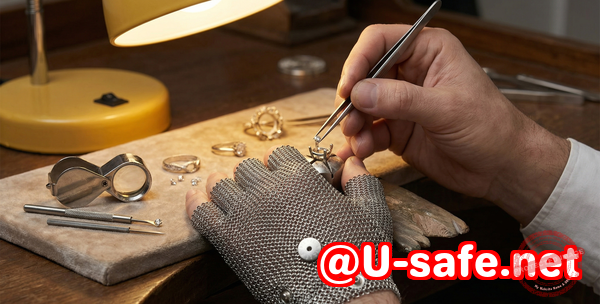
Whether you’re using chainmail for cut-resistant protection, industrial applications, or even cosplay, understanding how to care for it ensures safety, longevity, and peace of mind. Here’s a practical guide to cleaning and maintaining industrial chainmail, along with tips to spot high-quality products.
Why Proper Chainmail Care Matters
Chainmail isn’t just decorative. Poor-quality or neglected chainmail can pose serious risks:
-
Rings may open or deform under stress.
-
Corrosion can weaken stainless steel, especially in high-moisture environments.
-
A loose or inconsistent weave can compromise safety for industrial or food-processing use.
I’ve seen colleagues skip inspection and later face chainmail tearing during a task, which could have been avoided by understanding proper maintenance. With a bit of routine care and inspection, you can protect yourself, your team, and your investment.
Common Challenges When Handling Chainmail
1. Distinguishing Welded Rings from Open Rings
Many buyers assume all chainmail rings are solid. In reality, some cheaper products use open or poorly welded rings that can easily split under stress. Aegimesh Chainmail emphasizes welded rings as a standard for industrial safety.
2. Understanding Stainless Steel Grades
Not all stainless steel is created equal. 304-grade stainless steel is common, corrosion-resistant, and suitable for many applications. But 316-grade stainless steel offers superior resistance to chemicals and saltwater exposureimportant if your chainmail sees frequent washing or is used in a damp environment.
3. Spotting Weak or Inconsistent Weaves
Even the strongest metal won’t perform well if the weave is loose or uneven. European 4-in-1 weaves are industry-standard for strength, but inconsistencies can compromise durability and safety.
Step-by-Step Chainmail Inspection
I always follow a simple routine when evaluating or maintaining chainmail:
Check Material Type
-
Verify the stainless steel grade (304 vs. 316).
-
Look for manufacturer specifications or test with a magnettrue stainless steel is typically non-magnetic or weakly magnetic.
Inspect Ring Welding
-
Examine each ring closely. Welded rings should show a smooth seam with no gaps.
-
Avoid chainmail with rings that appear soldered superficially or are open.
Measure Wire Thickness and Ring Diameter
-
Thicker wire generally means stronger chainmail, but weight matters depending on use.
-
Uniform ring diameter is crucial for even distribution of force across the weave.
Evaluate the Weave Pattern
-
European 4-in-1 is the most common and reliable pattern for industrial and protective purposes.
-
Run your fingers across the weaverings should interlock smoothly without large gaps or inconsistencies.
Cleaning Your Chainmail
Maintaining chainmail isn’t complicated, but it requires consistency:
Daily or Weekly Care (Light Use)
-
Wipe down with a soft, dry cloth to remove dust or surface moisture.
-
Inspect for early signs of rust or wear.
Monthly or Heavy Use Cleaning
-
Prepare warm water with mild detergent.
-
Use a soft brush to clean between rings, ensuring no debris is trapped.
-
Rinse thoroughly with clean water and dry immediately to prevent corrosion.
Deep Maintenance
-
For stubborn stains or rust, soak chainmail briefly in a mixture of vinegar and water, then rinse and dry.
-
Apply a light food-safe oil or silicone spray to protect stainless steel if the chainmail is used in a high-humidity environment or industrial setting.
Testing Chainmail Strength
Before putting chainmail to work, I recommend performing a simple pull test:
-
Grab a section of the weave and gently apply pressure.
-
Rings should resist deformation and return to shape.
-
Any rings that open, warp, or feel weak indicate a lower-quality or fatigued chainmail piece.
Additionally, check for signs of corrosion, discoloration, or uneven wear. These are red flags for unsafe chainmailespecially important in cut-resistant or industrial applications.
Choosing the Right Chainmail for Your Needs
Not all chainmail is made for every task. Consider the following:
Industrial Use
-
Prioritize welded rings, 316 stainless steel, and a tight European 4-in-1 weave.
-
Inspect carefully to avoid workplace injuries.
Food Handling
-
Ensure materials are corrosion-resistant and easy to sanitize.
-
Light oil coating may protect against rust, but choose food-safe options.
Cosplay or Historical Replicas
-
Aesthetic matters, but don’t ignore weld quality or ring consistencycosplay accidents can happen.
-
Lightweight aluminum or mild steel is fine if durability under stress isn’t critical.
Collectibles
-
Focus on craftsmanship, uniformity, and authenticity.
-
Proper cleaning preserves value and prevents tarnishing.
Benefits of Proper Chainmail Care
Investing a few minutes in inspection and maintenance pays off:
-
Safety: Avoid dangerous chainmail failures in industrial or protective settings.
-
Durability: Well-maintained chainmail can last decades.
-
Cost Savings: Spot low-quality products before purchase, avoiding wasted money.
-
Confidence: Know that your chainmail performs as expected, whether in a kitchen, factory, or costume event.
Conclusion
Over the years, I’ve learned that chainmail quality isn’t just about metal type or weaveit’s about attention to detail. Checking welded rings, stainless steel grade, wire thickness, and the European 4-in-1 weave ensures your chainmail is safe, durable, and fit for purpose. I highly recommend following these steps to ensure any chainmail purchase meets safety and durability standards.
Learn more about identifying high-quality chainmail products: Aegimesh Chainmail
Check out our detailed chainmail inspection guide today.
Frequently Asked Questions
Q: How can I tell if a chainmail ring is welded or open?
A: Look closely at the ring seam. Welded rings have a smooth, closed seam with no gaps. Open or poorly welded rings may split under stress.
Q: Which stainless steel grade is best for long-lasting chainmail?
A: 316-grade stainless steel is superior for durability and corrosion resistance, though 304 is adequate for most industrial and food-handling applications.
Q: How do I inspect the weave pattern for strength?
A: Ensure the European 4-in-1 weave is consistent, rings interlock smoothly, and no large gaps are present. Run your fingers along the weave to detect inconsistencies.
Q: What are the signs of low-quality or unsafe chainmail?
A: Open rings, uneven weave, thin or weak wire, signs of corrosion, or uneven ring diameters are all red flags.
Q: Can decorative chainmail be used for protective purposes?
A: Typically no. Decorative chainmail may look authentic but often uses open rings or weaker materials that can fail under stress.
Q: How do I choose the right chainmail for industrial vs cosplay use?
A: Industrial chainmail should prioritize welded rings, stainless steel grade, and tight weave. Cosplay chainmail can focus on appearance but still benefit from consistent ring quality.
Q: How often should I clean my chainmail?
A: Light use: wipe weekly. Heavy use: monthly cleaning with mild detergent. Always dry thoroughly to prevent corrosion.
Tags / Keywords
chainmail quality, welded rings, stainless steel chainmail, cut-resistant chainmail, chainmail inspection, European 4-in-1 weave, industrial chainmail, steel metal chainmail durability, chainmail maintenance, protective chainmail





 한국어
한국어  Русский
  Deutsch
  العربية