


How EN 1082 Guides the Manufacture of Protective Chainmail Clothing
How EN 1082 Guides the Manufacture of Protective Chainmail Clothing
When it comes to purchasing chainmail, especially for protection in high-risk environments, it can be difficult to know which products are genuinely high-quality. We’ve all been there: You’re shopping for chainmail, either for industrial use, cosplay, or perhaps as a collector, and you want to ensure you’re making a wise investment. But how can you tell if the piece you’re considering is well-made and will perform as promised? Are the rings welded, or are they likely to come apart under stress? Is the stainless steel strong enough for the intended purpose, whether it’s for cut protection or display?
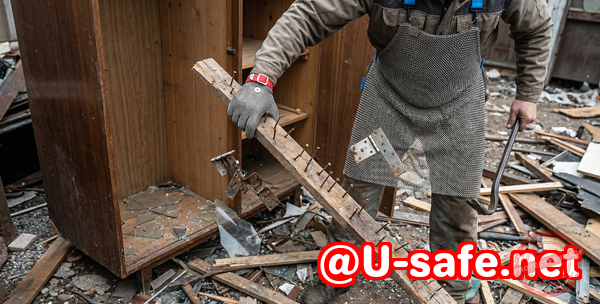
In this article, I’ll guide you through how EN 1082, the European standard for protective clothing, directly influences the manufacture of high-quality chainmail clothing, and how you can use that knowledge to evaluate and select the best products. By the end, you’ll know exactly how to inspect chainmail for quality, ensuring you avoid low-quality imitations and make a purchase you can rely on for safety and durability.
The Challenges of Identifying High-Quality Chainmail
Let’s talk about some of the common pain points when evaluating chainmail quality. If you’ve ever faced any of these struggles, you’re not alone:
-
Difficulty distinguishing between welded and open rings: This can be a challenge for many, especially those new to chainmail. Open rings are weaker and less durable, while welded rings offer better strength and longevity.
-
Confusion about stainless steel grades: Not all stainless steel is created equal. Grades like 304 and 316 have different properties that affect corrosion resistance and overall strength. Choosing the right grade for your needs is critical.
-
Weak or inconsistent weaves: When the weave isn’t done properly, it can cause a weak spot in your chainmail, compromising its protective qualities. Many buyers don’t know how to spot a poor weave until it’s too late.
How EN 1082 Affects Chainmail Manufacturing
EN 1082 is the European standard for protective clothing, specifically aimed at protecting workers from cutting hazards. When manufacturers follow this standard, they create chainmail products that meet certain durability and strength criteria. If you’re using chainmail in a professional environment, particularly in industries like food processing or industrial work where cut protection is critical, EN 1082 ensures that the material has been thoroughly tested and meets safety standards.
The standard covers several aspects of protective chainmail, including:
-
Material quality: EN 1082 ensures the use of high-quality materials like 304 or 316 stainless steel, which are resistant to rust and corrosion.
-
Ring welds: It mandates that welded rings (not open rings) should be used, as they offer superior strength and durability under pressure.
-
Weave pattern: A strong, consistent weave, such as the European 4-in-1 pattern, is crucial for ensuring protection against sharp objects. This pattern provides a tight, reliable link between each ring, making it highly effective against cuts.
Practical Tips for Evaluating Chainmail Quality
Now that we know the importance of EN 1082 and the factors that influence chainmail quality, let’s dive into some practical tips to help you evaluate any piece of chainmail. Whether you’re buying for industrial use, cosplay, or display, these steps will ensure you’re making an informed decision.
1. Inspect the Material
Chainmail can be made from various materials, but stainless steel is the most common and durable choice for protective uses. When evaluating chainmail, check for:
-
304 stainless steel: This is a good all-purpose grade, offering decent corrosion resistance. It’s often used in decorative chainmail or for light-duty applications.
-
316 stainless steel: This is the superior grade for industrial use, offering better corrosion resistance, especially in environments exposed to salt or moisture, like food processing.
2. Examine the Ring Welding
One of the most important factors in chainmail strength is whether the rings are welded or open. Here’s how to check:
-
Welded rings: High-quality chainmail should have welded rings, meaning each ring is securely joined at a single point. These are stronger and will hold up better under stress. Look closely at the ring edges to see if there’s a visible weld line.
-
Open rings: If the rings aren’t welded, they’re prone to coming apart. Open rings are cheaper to produce, but they won’t provide the same level of protection.
3. Check the Wire Thickness and Ring Diameter
When it comes to chainmail durability, the wire thickness and ring diameter are key. Here’s how to check for quality:
-
Wire thickness: Thicker wire means stronger chainmail, but it can also make the material heavier. For protective chainmail, a thicker wire is generally better. Look for at least 1.5mm wire thickness for industrial uses.
-
Ring diameter: A smaller ring diameter helps the chainmail form a tighter weave, offering better protection. For safety purposes, ensure the inner diameter of the rings is consistent and not too large.
4. Evaluate the Weave Pattern
The weave pattern directly impacts the durability and protective capabilities of the chainmail. One of the most common and strongest patterns is the European 4-in-1 weave, where each ring is interlinked with four other rings. This pattern provides excellent strength and flexibility, offering full coverage against sharp objects.
When inspecting the weave, look for consistency. The rings should all be evenly spaced, and the links should be tightly woven without gaps. A loose or uneven weave will decrease the protective quality of the chainmail.
5. Perform a Simple Pull Test
One quick way to test chainmail strength is the pull test. Grab a handful of rings and apply gentle pressure to see if any come apart. While chainmail should always hold together securely, this test can give you a good indication of its durability.
Why Proper Chainmail Inspection Matters
Properly inspecting chainmail for quality offers several key benefits:
-
Avoid unsafe purchases: Low-quality chainmail can easily break or fail to provide proper protection. Whether you’re using it for industrial safety or cosplay, don’t compromise on quality.
-
Ensure long-term durability: High-quality chainmail lasts longer and requires less maintenance. You won’t have to replace it as often, saving you money in the long run.
-
Avoid low-quality imitations: There are many cheap chainmail options on the market that look great at first glance but fail when put to the test. By following these inspection tips, you can avoid wasting money on poor-quality products.
Conclusion: My Recommendation for Buying High-Quality Chainmail
I highly recommend following these steps when evaluating any chainmail product to ensure it meets both safety and durability standards. Whether you’re using it for industrial protection, historical reenactments, or cosplay, the quality of your chainmail can make all the difference. It’s not just about looking the part; it’s about ensuring your safety and getting long-lasting value for your money.
If you’re in the market for top-notch, high-quality chainmail, check out Aegimesh Chainmail. We offer a comprehensive guide and inspection tool that helps buyers evaluate chainmail quality with ease. Learn how to identify welded rings, choose the right stainless steel grade, inspect wire thickness, and assess weave patterns like European 4-in-1 for superior strength and durability.
Ready to make an informed chainmail purchase? Check out our detailed chainmail inspection guide today at Aegimesh.
FAQ
-
How can I tell if a chainmail ring is welded or open?
Look for a visible seam where the ring is welded together. Welded rings are solid and won’t come apart easily, whereas open rings have a gap.
-
Which stainless steel grade is best for long-lasting chainmail?
Grade 316 stainless steel offers superior corrosion resistance and is ideal for high-durability applications, while grade 304 is good for lighter-duty use.
-
How do I inspect the weave pattern for strength?
The European 4-in-1 pattern is the most reliable for strength. Ensure that the rings are tightly woven without gaps, and check for consistency in the weave.
-
What are the signs of low-quality or unsafe chainmail?
Look for loose rings, poor welds, inconsistent weave patterns, and material that feels too light or brittle.
-
Can decorative chainmail be used for protective purposes?
While decorative chainmail is often made from lighter materials and may have looser weaves, it typically isn’t suitable for protection against cuts or abrasions. Always opt for industrial-grade materials for safety.
-
How do I choose the right chainmail for industrial vs. cosplay use?
For industrial use, prioritize strength, durability, and corrosion resistance, with a focus on welded rings and thicker wire. For cosplay, aesthetic considerations and lighter materials may be sufficient.
Tags or Keywords
-
chainmail quality, welded rings, stainless steel chainmail, cut-resistant chainmail, chainmail inspection, European 4-in-1 weave, chainmail durability



 한국어
한국어  Русский
  Deutsch
  العربية