


How EN 1082 Can Improve Workplace Safety in Manufacturing Environments
How EN 1082 Can Improve Workplace Safety in Manufacturing Environments
When you’re working in a high-risk environment like a manufacturing plant, safety isn’t just a priorityit’s a necessity. Whether you’re handling sharp materials, operating machinery, or working with high temperatures, protection is crucial. One area that often gets overlooked but can play a pivotal role in safety is the type of protective wear you usespecifically, chainmail.
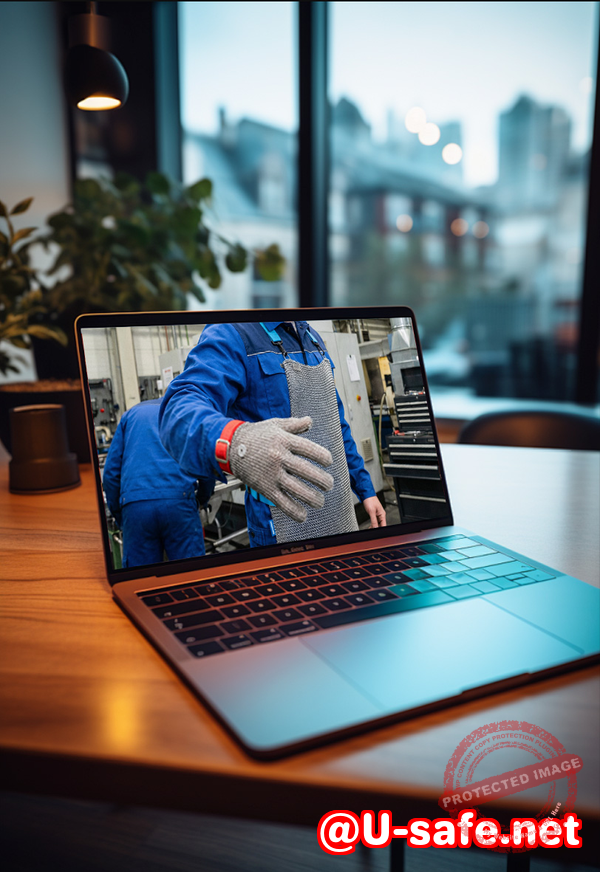
Now, you may not immediately think of chainmail when considering workplace safety. But for workers in manufacturing environments, food processing, or any situation where exposure to sharp objects or high-impact risks is a factor, high-quality chainmail offers crucial protection.
But how do you know you’re buying the right kind of chainmail? It’s easy to get overwhelmed by the various options out there, many of which look similar at first glance. That’s where understanding key standards like EN 1082 and knowing how to properly inspect your chainmail can make a huge difference in your safety. Let’s dive into how you can use this knowledge to ensure you’re getting the best protection possible.
Why EN 1082 Standards Matter
EN 1082 is a European standard that specifies requirements for protective clothing made from chainmail. Whether you’re buying it for industrial use, food handling, or cosplay, the goal is always the sameprotection. But not all chainmail is created equal.
When purchasing chainmail for protection, the difference between high-quality, durable material and flimsy, subpar product can be the difference between safety and serious injury. EN 1082 focuses on evaluating the resistance of chainmail against cutting and puncture, ensuring that it provides adequate protection in various environments.
By aligning your chainmail purchases with EN 1082, you can ensure that you’re getting the right type of protection that will stand up to the tasks at hand. But how do you identify which chainmail products meet these standards?
Pain Points: What Buyers Often Get Wrong
If you’ve ever been confused by the vast array of chainmail products on the market, you’re not alone. Here are a few of the most common pain points when it comes to purchasing chainmail:
1. Not Understanding the Difference Between Welded and Open Rings
Welded rings are essential for durability and strength. Open rings, on the other hand, may look fine but are much weaker, meaning they could fail under stress, leaving you unprotected. Without proper knowledge, you might end up purchasing the wrong type of chainmail for your needs.
2. Choosing the Wrong Stainless Steel Grade
The quality of the stainless steel used in your chainmail matters. Generally, 304 stainless steel is good for general use, but in harsh environments or areas where rust is a concern (such as food processing), 316 stainless steel is the better option due to its superior corrosion resistance.
3. Weave Patterns That Don’t Meet Strength Requirements
Not all weaves are made the same. Weave patterns like the European 4-in-1 are widely regarded for their durability and strength, but there are weaker patterns out there that will not provide the necessary protection.
4. Weak or Inconsistent Craftsmanship
Poor craftsmanship is a huge red flag. If the rings are poorly welded or the weave is inconsistent, you could be buying something that looks good but won’t hold up when you need it most.
Solution: The Aegimesh Chainmail Inspection Guide
At Aegimesh, we understand these concerns, which is why we’ve put together a simple guide to help you inspect chainmail properly before you make a purchase. Here are some steps you can take to verify the quality of the chainmail you’re considering:
1. Inspect the Material: 304 vs. 316 Stainless Steel
The first step in ensuring the chainmail’s durability is to check the type of stainless steel. As mentioned, 304 stainless steel is common, but for environments where corrosion is a concernsuch as food handling or marine industries316 stainless steel is more appropriate. The difference lies in the addition of molybdenum in 316 steel, which makes it more resistant to corrosion, particularly against chlorides.
2. Ring Welding: Is It Solid or Open?
Next, inspect the rings. Welded rings are far superior to open rings. The difference can be felt easily by running your fingers along the rings. Welded rings should feel smooth and solid, whereas open rings may feel rough or can even be pried apart with little effort.
To check for proper welding, gently pull a ring apart or twist it. If it’s welded properly, it should not come apart. If it’s an open ring or poorly welded, you’ll notice the separation almost immediately.
3. Evaluate Wire Thickness and Ring Diameter
The thickness of the wire and the diameter of the rings are two key factors in determining chainmail quality. Thin wire can result in a weak product, so you should always check the wire thickness to ensure it’s suitable for your intended use. The ring diameter is also important, as it influences the flexibility and strength of the chainmail. For industrial use, you want a thicker wire and smaller ring diameter for maximum protection.
4. Look at the Weave Pattern
The weave pattern is crucial to the strength and durability of the chainmail. One of the most reliable patterns is the European 4-in-1 weave, which offers excellent protection while maintaining flexibility. It’s important to ensure the weave is tight and uniform. If the weave is loose or inconsistent, the chainmail will likely fall apart under pressure.
Benefits of Proper Chainmail Inspection
By following these inspection steps, you’ll not only ensure that the chainmail you’re purchasing meets safety standards, but you’ll also reap several additional benefits:
-
Safety: Properly inspected chainmail will provide the protection you need to keep yourself safe in industrial environments, food processing, or cosplay.
-
Durability: You’ll get long-lasting products that stand up to wear and tear.
-
Money Saving: By inspecting the quality before purchase, you avoid wasting money on cheap, low-quality products that break down easily or fail to protect you.
-
Peace of Mind: Knowing that your protective gear is reliable and meets high standards lets you focus on your work or hobby without the constant worry of subpar protection.
How to Perform a Simple Pull Test
To further ensure your chainmail’s durability, perform a simple pull test. Grab a section of the chainmail and give it a firm tug. If the rings don’t separate or distort, you know the chainmail is likely welded well and built to last. If the rings shift or break apart under pressure, it’s a sign that you may have purchased a low-quality product.
Conclusion: Make Informed Chainmail Purchases
When it comes to purchasing chainmail for workplace safety, you can’t afford to make mistakes. Whether you’re looking for industrial protection, food processing gear, or cosplay armor, knowing how to inspect and verify the quality of your chainmail will ensure that your purchase meets safety and durability standards. I highly recommend following these steps to ensure any chainmail purchase meets the necessary requirements for protection and performance.
For a more detailed guide and chainmail inspection tools, be sure to check out our inspection guide.
FAQ
1. How can I tell if a chainmail ring is welded or open?
Look closely at the ring edges. Welded rings are smooth and sealed, while open rings will have visible gaps or be slightly rough to the touch.
2. Which stainless steel grade is best for long-lasting chainmail?
316 stainless steel is ideal for environments exposed to moisture or corrosive materials, while 304 stainless steel works for most general applications.
3. How do I inspect the weave pattern for strength?
Check that the weave is tight, uniform, and consistent. The European 4-in-1 weave is highly recommended for its strength.
4. What are the signs of low-quality or unsafe chainmail?
Look for inconsistent welding, loose rings, weak material, or poorly constructed weaves. These signs indicate a lack of durability and protection.
5. Can decorative chainmail be used for protective purposes?
No, decorative chainmail often uses open rings and weaker materials. Always choose industrial-grade chainmail for protection.
6. How do I choose the right chainmail for industrial vs. cosplay use?
For industrial use, prioritize strength, corrosion resistance, and durability with welded rings and stainless steel. For cosplay, flexibility and aesthetic appearance are more important, though durability is still a consideration.
7. What’s the most common mistake people make when purchasing chainmail?
A common mistake is assuming that all chainmail is created equal. Buyers often neglect to check the material quality, ring welding, and weave pattern, which can lead to unsafe or subpar products.
Tags/Keywords
chainmail quality, welded rings, stainless steel chainmail, cut-resistant chainmail, chainmail inspection, European 4-in-1 weave, chainmail durability




 한국어
한국어  Русский
  Deutsch
  العربية