


Chainmail Tunics for Wet and Cold Environments
Chainmail Tunics for Wet and Cold Environments: A Practical Guide to Identifying Quality Chainmail
When it comes to purchasing chainmail for use in wet and cold environments, there’s a challenge that many of us face: How can you ensure the chainmail you’re about to buy will stand up to harsh conditions and provide the durability, safety, and protection you need?
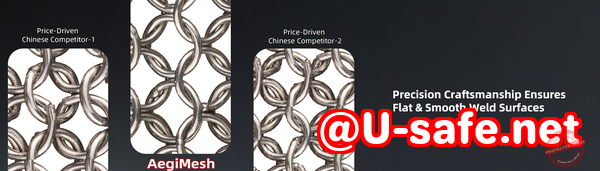
For years, I’ve seen both buyers and collectors struggle with the same issues. Whether you’re looking for chainmail for cosplay, industrial use, or historical replicas, the process can feel overwhelming. There’s a lot of misinformation and low-quality products out there that look good at first glance, but don’t hold up under pressure. Let’s break down how to tell the difference and make an informed decision.
Understanding the Basics of Chainmail
Before we dive into how to assess quality, let’s review why chainmail is such an effective material, especially in challenging environments. Chainmail has a long history, originally designed for armor, but its versatility makes it a great option for modern-day applications like industrial cut protection, food processing, and even cosplay. The primary strength of chainmail comes from its interwoven rings, which, when constructed correctly, create a mesh that disperses force, providing both flexibility and durability.
However, not all chainmail is made equal. So, how do you spot the difference?
Common Pain Points When Evaluating Chainmail
Here are a few common struggles I’ve seen:
-
Welded Rings vs. Open Rings
When you’re inspecting chainmail, the first thing you should check is whether the rings are welded or open. Open rings, while sometimes used for decorative purposes, are not as durable and can weaken over time, especially in wet environments.
-
Stainless Steel Grades and Corrosion Resistance
Many buyers are unsure about which stainless steel grade is best for their needs. For instance, 304 stainless steel is commonly used in chainmail, but it’s not as resistant to corrosion as 316 stainless steel, which is more durable for wet or cold environments.
-
Weak or Inconsistent Weaves
The weave pattern is another critical factor. Some chainmail weaves may look impressive at first, but weak or inconsistent patterns can compromise the overall strength of the piece.
The Aegimesh Solution: A Practical Guide to Inspecting Chainmail Quality
Aegimesh Chainmail provides a solution for all of these concerns, offering both a guide and an inspection tool that help you evaluate chainmail for safety, durability, and quality. Let’s break down how you can use this guide to inspect the chainmail you’re considering.
1. Material Matters: 304 vs. 316 Stainless Steel
One of the first things to check is the material of the chainmail. The two main types of stainless steel used in chainmail are 304 and 316, each with its own set of characteristics:
-
304 Stainless Steel: This is the most commonly used material for chainmail, but it is more prone to corrosion when exposed to harsh elements like saltwater or certain chemicals. While it’s fine for dry environments or decorative uses, it’s not the best choice for wet and cold conditions.
-
316 Stainless Steel: If you need chainmail for industrial or food-processing use, 316 stainless steel is the superior option. It’s highly resistant to corrosion, making it perfect for chainmail that will be exposed to moisture, acids, or extreme temperatures.
2. Inspecting the Ring Construction
The next thing to look at is whether the rings are welded or open. I cannot stress this enoughwelded rings are essential for durability and safety. Here’s why:
-
Welded Rings: These rings are securely fused together, providing a much stronger, more reliable chainmail structure. They won’t open or weaken under pressure, making them perfect for industrial applications.
-
Open Rings: These rings are not welded, which means they can bend or pull apart under stress. Open rings are fine for decorative purposes but should never be used for protective or industrial chainmail.
3. Checking Wire Thickness and Inner Diameter
The thickness of the wire and the inner diameter of the rings play a huge role in the overall strength of the chainmail. Here’s a simple guide to what you should look for:
-
Wire Thickness: Thicker wire will result in stronger, more durable chainmail. When inspecting a piece, make sure the wire feels solid and doesn’t bend easily when you apply pressure.
-
Inner Diameter: The inner diameter of the rings should be consistent across the entire piece. A chainmail weave that has uneven ring sizes can be a sign of poor craftsmanship.
4. Evaluating Weave Patterns for Strength
The weave pattern is where the real strength of chainmail lies. One of the most common and durable weaves is the European 4-in-1 pattern, which consists of four rings passing through each individual ring. This creates a tight, secure weave that offers flexibility without sacrificing strength.
To test if the weave is strong, gently pull on the chainmail. If the rings move too easily or there’s noticeable slack in the pattern, that’s a red flag.
How to Perform a Simple Pull Test
Now that you know what to look for, it’s time to put your inspection skills to the test. Here’s how to perform a simple pull test to check the durability of the chainmail:
-
Grab a small section of the chainmail.
-
Gently pull on the rings in different directions.
-
If the rings shift easily or break apart, the chainmail is likely of low quality.
-
High-quality chainmail should remain intact and hold its shape under stress.
Signs of Corrosion or Poor Craftsmanship
If the chainmail is exposed to moisture regularly, you’ll want to check for signs of corrosion. Look for:
-
Rust or Discoloration: Any rust or discoloration on the rings means the material is not resistant to corrosion, and the chainmail will degrade over time.
-
Uneven Finish: A smooth finish is crucial for durability. Rough, uneven rings or sharp edges indicate poor craftsmanship.
Practical Tips for Choosing the Right Chainmail for Your Needs
Depending on your intended use, choosing the right chainmail is crucial:
-
Industrial or Food Processing: Opt for chainmail made from 316 stainless steel with welded rings and a European 4-in-1 weave for maximum protection against cuts.
-
Cosplay or Decorative Use: You can go with 304 stainless steel if you’re primarily concerned with appearance, but make sure to check the quality of the weave and finish.
-
Historical Replicas: Look for chainmail made with a traditional European 4-in-1 weave and authentic materials. Keep in mind that some historical replicas may not be as durable as modern, industrial-grade chainmail.
Conclusion: How to Ensure You’re Getting the Best Quality Chainmail
When purchasing chainmail, whether for industrial use, cosplay, or historical reenactments, it’s essential to follow these inspection tips to ensure you’re getting a high-quality product. I highly recommend checking the material, inspecting the rings, evaluating the weave, and performing the pull test before making a purchase.
With these steps, you’ll not only avoid low-quality chainmail that could fail when you need it most, but you’ll also save money by investing in durable, long-lasting products.
If you’re still unsure or want more detailed guidance, check out the full chainmail inspection guide on Aegimesh.
Perguntas frequentes
How can I tell if a chainmail ring is welded or open?
Welded rings will feel solid and secure when you test them by gently pulling. Open rings will bend or separate under pressure.
Which stainless steel grade is best for long-lasting chainmail?
316 stainless steel is the best option for environments with exposure to moisture and harsh elements, as it is more resistant to corrosion than 304 stainless steel.
How do I inspect the weave pattern for strength?
Check for consistency in the ring pattern and ensure that the weave is tight and firm. A good quality chainmail will not have gaps or loose rings.
What are the signs of low-quality or unsafe chainmail?
Look for signs of corrosion, rust, or weak/weaving patterns. Open rings or irregular weave patterns are also a sign of poor craftsmanship.
Can decorative chainmail be used for protective purposes?
Not ideally. Decorative chainmail, typically made from open rings, is not strong enough for protective use. Always choose welded rings for protection.
How do I choose the right chainmail for industrial vs cosplay use?
For industrial or cut-resistant purposes, choose chainmail with 316 stainless steel and welded rings. For cosplay, 304 stainless steel with open rings may be acceptable, depending on your needs.
How do I know if the chainmail will hold up in wet and cold conditions?
Look for chainmail made from 316 stainless steel and ensure the rings are welded. This will provide the durability and corrosion resistance needed for wet and cold environments.
Tags/Keywords: chainmail quality, welded rings, stainless steel chainmail, cut-resistant chainmail, chainmail inspection, European 4-in-1 weave, chainmail durability




 한국어
한국어  Русский
  Deutsch
  العربية