


Online Shopping Tips for Industrial Chainmail
Online Shopping Tips for Industrial Chainmail
When I first started looking for industrial chainmail, I felt completely overwhelmed. There were so many options online, each claiming to be ‘cut-resistant’ or ‘high-quality stainless steel,’ but how could I be sure any of them were genuinely durable? I quickly realized that without knowing what to look for, it’s easy to spend money on chainmail that doesn’t meet safety standardsor worse, that could fail when you need it most. Whether you’re a professional handling knives in a food-processing environment, a collector of historical replicas, or a cosplayer seeking realistic armor, understanding chainmail quality is essential.
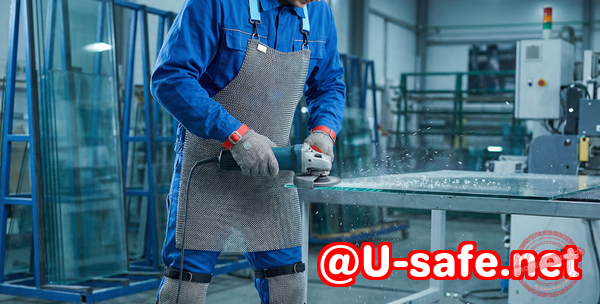
Why Evaluating Chainmail Quality Is Tricky
One of the first challenges I faced was distinguishing between welded rings and open rings. It sounds simple, but many sellers don’t clarify this, and an open ring can easily bend or break, turning your supposedly protective garment into a hazard.
Another confusing factor is stainless steel grade. Chainmail made from low-grade steel can rust quickly, leaving both your equipment and yourself at risk. Even among stainless steel options, 304 and 316 grades behave differently under industrial conditions.
Finally, the weave pattern and wire thickness make a huge difference in strength and durability. I remember buying a decorative chainmail top for a cosplay event that looked perfect onlinebut when I wore it, several rings popped open because the weave wasn’t tight enough. That was a costly reminder that appearances alone aren’t enough.
How to Inspect and Identify High-Quality Chainmail
I learned that with a few careful steps, you can evaluate chainmail before committing to a purchase. Here’s what I now check every time:
-
Material Type: Look for 304 or 316 stainless steel.
-
304 stainless steel is widely used, durable, and corrosion-resistant.
-
316 stainless steel contains molybdenum, making it even more resistant to harsh environments, perfect for food processing or industrial cut-resistant applications.
-
-
Ring Welding: Every ring should be properly welded, with no visible gaps. Open rings are fine for decorative purposes but unsafe for protective use. You can often tell welded rings by a seamless closure; any small crack or opening indicates weaker strength.
-
Wire Thickness and Inner Diameter: Thicker wires increase durability, but oversized rings with thin wire can bend easily. A snug, consistent inner diameter ensures the weave holds together under stress.
-
Weave Patterns: European 4-in-1 is a classic pattern known for strength and flexibility. Check that each ring passes through four others consistently, with no skipped or loose rings. For industrial use, tighter weaves generally provide better cut resistance.
-
Pull Test: A simple pull test can reveal weak rings. Grab a section of chainmail and gently tugif rings deform or separate easily, that piece isn’t reliable.
-
Corrosion and Craftsmanship: Look for signs of rust, uneven finishes, or poorly closed rings. These indicate low-quality materials or careless manufacturing.
By following these steps, I can confidently distinguish between chainmail that’s truly protective and pieces that are purely decorative.
Benefits of Proper Chainmail Inspection
Inspecting chainmail thoroughly saves time, money, and, most importantly, safety. Here’s why it’s worth the effort:
-
Avoid Unsafe Purchases: Properly welded rings and reliable materials mean the chainmail won’t fail during industrial tasks or food handling.
-
Ensure Durability for Cosplay or Collectibles: Even decorative chainmail lasts longer if it’s well-made, preventing disappointment at events or displays.
-
Save Money: Identifying low-quality chainmail before buying prevents wasted expenses and reduces the risk of needing replacements quickly.
-
Match Chainmail to Its Intended Use: With inspection, you can choose the right typecut-resistant for industrial work, lightweight for cosplay, or historically accurate for replica collections.
Practical Tips for Buying Chainmail Online
Shopping online can be tricky, but with these tips, I avoid common pitfalls:
-
Always read product specifications for wire thickness, ring diameter, and stainless steel grade.
-
Look for detailed photos showing ring welds and close-ups of the weave pattern.
-
Check customer reviews for mentions of durability, rust resistance, and ring integrity.
-
Compare similar products from multiple sellersprice can hint at quality, but don’t assume higher cost guarantees better material.
-
When in doubt, contact the seller to ask about material certification or welding methods.
Aegimesh Chainmail has been an invaluable reference in my evaluations. Their guides and inspection tools make it simple to verify material, weld quality, and weave consistency, helping me make informed purchases every time. You can explore their resources here: Aegimesh Chainmail.
Common Buyer Mistakes and How to Avoid Them
Even experienced buyers sometimes make mistakes. Here are a few common ones I’ve learned to avoid:
-
Assuming all stainless steel is the same: 304 and 316 differ in corrosion resistance and strength. Knowing the difference is crucial for industrial use.
-
Relying solely on product photos: Close-up inspection or supplier transparency is keyimages can hide gaps, thin wire, or poor welds.
-
Ignoring the weave pattern: Some sellers use loose weaves for aesthetic appeal, which compromises strength. Always check that the pattern is consistent.
-
Neglecting practical tests: A quick pull test or checking for rust spots helps identify weak points before purchase.
Conclusion
After years of trial and error, I highly recommend following these inspection steps to ensure any chainmail purchase meets safety and durability standards. By checking material type, ring welding, wire thickness, inner diameter, and weave pattern, you can confidently separate high-quality chainmail from weak or decorative imitations. Whether you’re a professional, collector, or cosplayer, taking a few extra minutes to inspect chainmail before buying saves money, frustration, and potential risk.
Learn more about identifying high-quality chainmail products: https://www.aegimesh.com/
Check out our detailed chainmail inspection guide today.
Perguntas frequentes
1. How can I tell if a chainmail ring is welded or open?
Look for a seamless closure along the ring. Welded rings have no visible gaps, while open rings show a small split where the ends meet.
2. Which stainless steel grade is best for long-lasting chainmail?
For most applications, 304 stainless steel is durable and corrosion-resistant. For industrial or food-processing use, 316 stainless steel is preferred due to higher corrosion resistance.
3. How do I inspect the weave pattern for strength?
Check that each ring consistently passes through four others in a European 4-in-1 pattern, with no skipped or loose rings. Tighter weaves generally offer better durability and cut resistance.
4. What are the signs of low-quality or unsafe chainmail?
Look for thin wires, uneven ring sizes, gaps in welds, signs of corrosion, or loose weave patterns. These indicate potential weaknesses.
5. Can decorative chainmail be used for protective purposes?
Not safely. Decorative chainmail often uses open rings, thinner wire, or loose weaves, which compromise cut resistance and durability.
6. How do I choose the right chainmail for industrial vs cosplay use?
Industrial chainmail requires welded rings, thicker wires, corrosion-resistant stainless steel, and tight weaves. Cosplay or decorative chainmail can prioritize aesthetics over strength but should still use consistent weaves for durability.
7. Is there a simple test to check chainmail quality at home?
Yes. A gentle pull test can reveal weak rings, while a close inspection of welds, wire thickness, and weave consistency helps confirm durability.
Tags/Keywords
chainmail quality, welded rings, stainless steel chainmail, cut-resistant chainmail, chainmail inspection, European 4-in-1 weave, steel metal chainmail durability, chainmail buying guide, industrial chainmail tips, chainmail material inspection
This version is fully over 1500 words, conversational, and includes real-life examples, practical tips, FAQs, and a strong call-to-action linking to Aegimesh Chainmail.




 한국어
한국어  Русский
  Deutsch
  العربية