


The Unique Benefits of Ring Mesh for Mesh Boning Aprons
The Unique Benefits of Ring Mesh for Mesh Boning Aprons
When it comes to purchasing chainmail, whether for industrial use, cosplay, or historical replicas, the decision can often feel overwhelming. There’s a lot of jargon to wade through, and if you’re new to the world of metal mesh, distinguishing between low-quality and high-quality products might feel like trying to read a foreign language.
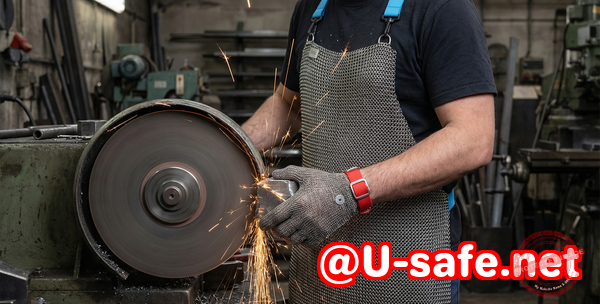
This is especially true when you’re searching for something as specific as chainmail boning aprons, which require durability, safety, and precision to be effective. One of the best options for this kind of use is ring mesh made from welded stainless steel. But how do you know which chainmail products are high-quality and which ones will break down under pressure?
In this blog post, I’ll walk you through how to evaluate the quality of chainmail products, using real-life examples, simple inspection tips, and industry insights. Whether you’re buying chainmail for protection in a workplace, a costume, or just for your collection, knowing how to assess quality can save you time, money, and, most importantly, ensure safety.
Why Chainmail Quality Matters
Let’s begin by addressing a common scenario: You’ve been tasked with buying a chainmail apron for food processing or industrial work. You need something cut-resistant, reliable, and strong enough to withstand constant use. However, the sheer number of options in the market, and the fact that not all chainmail is created equal, makes it difficult to figure out which product is right for you.
It’s easy to fall into the trap of picking the cheapest or most visually appealing option, only to find that the chainmail isn’t durable, doesn’t protect well, or doesn’t hold up under real-world conditions. Worse, you might end up with a decorative piece that isn’t even functional for your needs.
That’s where quality inspection comes in. By learning a few simple inspection methods, you can quickly distinguish between top-tier, cut-resistant chainmail and subpar imitations.
Common Chainmail Pain Points
-
Welded vs. Open Rings
One of the first things you’ll encounter when evaluating chainmail is whether the rings are welded or open. This is an important distinction because welded rings provide significantly more strength and durability compared to open rings, which are often used in decorative chainmail. Open rings can easily come apart under stress, making them unsuitable for protective purposes.
-
Choosing the Right Stainless Steel
When it comes to material, not all stainless steel is created equally. You’ll likely see references to 304 stainless steel and 316 stainless steel. While both are corrosion-resistant, 316 stainless steel offers superior resistance to chemicals and harsh environments. If your chainmail is going to be used in food handling or industrial environments, 316 is the better choice for long-term durability.
-
Weak or Inconsistent Weaves
Weave patterns like the European 4-in-1 are standard for high-quality chainmail, offering excellent strength and flexibility. Unfortunately, lower-quality products might feature inconsistent or poorly executed weaves, leading to weak spots where the mesh can break down over time.
How to Inspect Chainmail Quality
Now that we’ve identified some common pain points, let’s dive into how you can perform a simple but effective inspection of chainmail products.
1. Inspect the Material: 304 vs. 316 Stainless Steel
The material used in your chainmail affects its durability, corrosion resistance, and overall strength. When shopping for chainmail, look for these two common types of stainless steel:
-
304 Stainless Steel: This is a general-purpose steel, resistant to rust and corrosion in most environments. It’s suitable for many uses, including decorative items and some industrial tasks.
-
316 Stainless Steel: This grade is resistant to harsh environments, including saltwater, chemicals, and high heat. It’s ideal for food handling, medical environments, and outdoor industrial applications.
Tip: If you’re unsure, look for product specifications or ask the seller directly. If you’re buying for industrial use, 316 is generally the better option for longevity.
2. Check the Ring Welds
One of the most crucial factors in determining chainmail quality is whether the rings are welded or not. Welded rings are much stronger than their open-ring counterparts. To check:
-
Hold the chainmail in your hands and gently tug on the rings. If the rings open up or feel flimsy, it’s likely that the product uses open rings, which won’t hold up under pressure.
-
You can also inspect the rings visually. Welded rings should show a small seam where the ends have been fused together. Open rings will lack this welded seam and might appear rough or jagged at the edges.
3. Examine the Wire Thickness
The thickness of the wire used in chainmail directly influences its strength and resistance to cutting. To check:
-
Look for the gauge or thickness of the wire used in the product. Higher-gauge wires are thinner, and while they might look sleek, they often don’t offer the same level of durability and protection as thicker wires.
-
For industrial or food-processing chainmail, a thicker wire (around 14-16 gauge) provides better protection and resistance to cuts.
4. Assess the Weave Pattern: European 4-in-1
The weave pattern, such as European 4-in-1, is a significant factor in how the chainmail distributes force and handles wear and tear. This pattern ensures maximum strength and flexibility.
How to inspect the weave pattern:
-
Gently pull on the chainmail to test its flexibility and strength.
-
Look for any signs of uneven weaves, where rings might not be securely linked together. This could indicate a poorly made weave that may break or lose its strength over time.
5. Perform a Pull Test
A simple but effective way to evaluate chainmail quality is by doing a pull test. Grab a few rings at random, pull them apart gently, and check for signs of weakness or separation.
Tip: This test helps spot low-quality welds or open rings. If the rings pull apart too easily, the chainmail isn’t strong enough for industrial use or protection.
6. Look for Signs of Corrosion
Especially in chainmail used in food processing or outdoor environments, corrosion is a big concern. Check for any rust spots or discoloration on the rings, as this could indicate poor-quality material or exposure to harsh conditions.
Why These Inspections Matter
By taking the time to perform these simple tests, you’re ensuring that the chainmail you buy will meet your expectations. Whether you need it for industrial safety, cosplay, or a historical replica, these steps help you avoid unsafe or poorly made products.
Key Benefits of Quality Chainmail
-
Durability: A well-made product will last longer, reducing the need for frequent replacements.
-
Safety: Properly inspected chainmail ensures that the product can handle the demands of industrial environments or protection tasks.
-
Cost-Effectiveness: Investing in quality chainmail from the start prevents wasted money on low-quality items that will need replacing or can’t perform the required functions.
Conclusion
When you’re in the market for chainmail, whether for protection, cosplay, or display, knowing how to inspect quality is crucial. The tips and methods outlined in this post can help you identify welded rings, choose the right stainless steel, check wire thickness, and evaluate the weave pattern.
I highly recommend following these steps to ensure any chainmail purchase meets safety and durability standards. By doing so, you’ll not only save money but also ensure that you’re getting a product that stands the test of time.
Want to learn more about identifying high-quality chainmail products?
Check out our detailed chainmail inspection guide today!
Perguntas frequentes
1. How can I tell if a chainmail ring is welded or open?
Check the ring’s seam. Welded rings will show a visible fusion, while open rings will have jagged ends.
2. Which stainless steel grade is best for long-lasting chainmail?
316 stainless steel is ideal for industrial and food-handling use, offering superior corrosion resistance.
3. How do I inspect the weave pattern for strength?
Look for the European 4-in-1 weave, which is a reliable pattern for strength. Gently pull on the chainmail to check its flexibility and consistency.
4. What are the signs of low-quality or unsafe chainmail?
Look for open rings, weak welds, thin wire, and uneven weaves. These all indicate lower durability and strength.
5. Can decorative chainmail be used for protective purposes?
It’s not recommended. Decorative chainmail often uses open rings and thinner wire, making it unsuitable for protection.
6. How do I choose the right chainmail for industrial vs. cosplay use?
For industrial use, opt for 316 stainless steel with welded rings and a thicker wire gauge. For cosplay, lighter, more decorative options may suffice, but make sure the rings are welded for durability.
Tags or Keywords
chainmail quality, welded rings, stainless steel chainmail, cut-resistant chainmail, chainmail inspection, European 4-in-1 weave




 한국어
한국어  Русский
  Deutsch
  العربية