


How Stainless Steel Chainmail Keeps Workers Safe from Dangerous Cuts
How Stainless Steel Chainmail Keeps Workers Safe from Dangerous Cuts
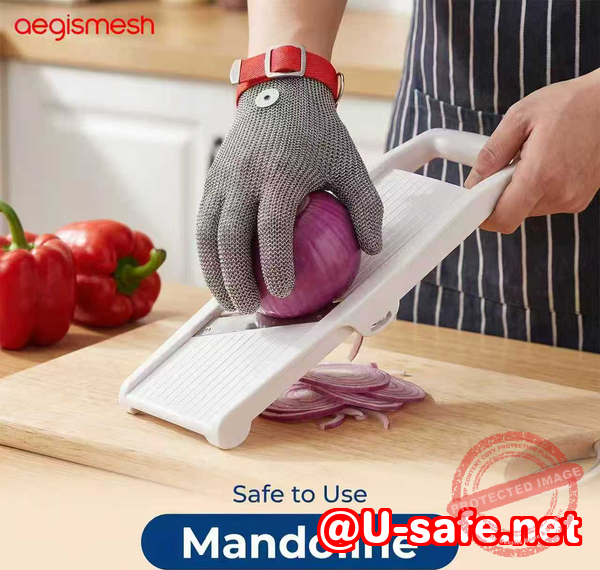
When it comes to safety in industrial environments, one often-overlooked hero is chainmail. Whether you’re working in food processing, handling heavy machinery, or taking part in a historical reenactment, quality chainmail can make all the difference between a minor injury and a serious one. But with so many options on the market, how do you know which chainmail is truly up to the task? How can you avoid the low-quality imitations that don’t offer the protection you need? Let me take you through the steps to evaluate chainmail so you can confidently make an informed purchase.
Understanding Chainmail Quality: The First Step Toward Safety
If you’ve ever found yourself staring at a piece of chainmail, wondering if it’s durable enough for your needs, you’re not alone. It’s easy to assume that all chainmail is the same, but that couldn’t be further from the truth. There are key differences in quality that can impact your safety, the durability of the product, and ultimately, your wallet.
Take, for example, a scenario I encountered while researching safety gear for industrial workers. A manager at a food processing plant told me about his team’s recent experience with low-quality chainmail. They had purchased what seemed like a solid product, but it quickly became apparent that the rings were not properly welded, and the weave was inconsistent. Within a month, the chainmail started to fray, leaving workers vulnerable to cuts from sharp tools.
This is why it’s crucial to understand how to inspect chainmail properly, whether you’re a buyer, collector, or professional. After all, you don’t want to gamble with safety, especially when a small mistake could lead to expensive repairsor worse, an injury.
Common Pain Points When Evaluating Chainmail
1. Welded vs. Open Rings
A common pain point when shopping for chainmail is figuring out whether the rings are welded or simply open. Open rings are weaker and more likely to pull apart under stress, while welded rings provide superior strength and longevity. But how do you tell the difference? It’s easy once you know what to look for.
-
Welded Rings: These are stronger and more reliable. If you can spot a seamless join where the ring’s ends meet, you’re looking at welded rings.
-
Open Rings: These rings have a visible gap and can be pulled apart more easily, making them unsuitable for industrial or safety use.
2. Choosing the Right Stainless Steel Grade
Another challenge is determining whether the stainless steel is high enough quality to withstand wear and tear. While both 304 and 316 stainless steel are common in chainmail production, they have different properties that affect their durability.
-
304 Stainless Steel: While more affordable, 304 steel is susceptible to corrosion when exposed to salt and chemicals over time. It’s suitable for decorative chainmail or cosplay, but not ideal for industrial use where durability and safety are critical.
-
316 Stainless Steel: This is the best option for long-term durability and corrosion resistance, especially in environments with moisture or exposure to chemicals. It’s the go-to choice for workers who need reliable protection.
3. Weak Weaves or Inconsistent Patterns
Another issue to watch for is the weave pattern. A weak or inconsistent weave compromises the integrity of the chainmail. One of the strongest weaves is the European 4-in-1 pattern, where four rings surround a single central ring. This offers great strength and flexibility.
-
Look for Consistency: Ensure that the rings fit snugly together and the pattern doesn’t vary too much. If you see gaps or noticeable shifts in the weave, that’s a red flag.
How to Inspect and Verify Chainmail Quality
Now that you know what to look out for, let’s go over the step-by-step process for inspecting chainmail. Whether you’re buying a piece for industrial use, cosplay, or a collection, these tips will help you distinguish high-quality chainmail from the subpar stuff.
1. Check the Material
First, always check the material to ensure you’re getting the right grade of stainless steel. As mentioned earlier, 316 stainless steel is the gold standard for cut-resistant and long-lasting chainmail. If you’re not sure, ask the seller directly or look for product specifications on the website.
2. Inspect the Rings
The next step is to look closely at the rings. Hold a few rings together and check the weld. Can you see a smooth, seamless join? That’s a good sign. If the weld appears messy or there’s a visible gap, you may be dealing with open rings that could fall apart under stress.
3. Test the Wire Thickness and Ring Diameter
You’ll also want to check the thickness of the wire and the diameter of the rings. The wire should feel sturdy, not flimsy. As for the rings, they should have a consistent diameter to maintain the integrity of the weave.
4. Evaluate the Weave Pattern
Lastly, take a close look at the weave pattern. As I mentioned earlier, the European 4-in-1 is one of the strongest patterns. But don’t stop therefeel the weave with your hands. Does it feel tight and even, or is there noticeable slack?
5. The Pull Test
To verify the strength of the chainmail, perform a simple pull test. Gently tug on the rings to see if they hold firm. If the chainmail starts to loosen or the rings separate, it’s a clear indicator that the product is low-quality.
Why These Steps Matter
Following these inspection methods can save you time, money, and potentially avoid unsafe purchases. If you’re buying chainmail for industrial or food-processing work, low-quality materials could compromise your safety. On the other hand, decorative chainmail that isn’t durable enough could ruin your cosplay or historical replica project.
With proper inspection, you can ensure that the chainmail you’re buying meets safety standards, holds up under pressure, and will last for years to come.
Conclusion: How to Make the Right Chainmail Purchase
When it comes to buying chainmail, the key is knowledge. By checking the material, inspecting the rings, evaluating the weave pattern, and performing a pull test, you can easily identify high-quality, durable chainmail. I highly recommend following these steps to ensure any chainmail purchase meets safety and durability standards.
Whether you need chainmail for industrial protection, cosplay, or a collection, always verify the quality before you buy. Don’t waste your money on subpar products that could put your safety at risk.
Learn more about identifying high-quality chainmail products: Aegimesh Chainmail
Check out our detailed chainmail inspection guide today and make sure your next purchase is the right one!
FAQ
-
How can I tell if a chainmail ring is welded or open?
-
Welded rings will have a seamless join where the ends meet, while open rings will have a visible gap.
-
-
Which stainless steel grade is best for long-lasting chainmail?
-
316 stainless steel is the best option for long-term durability, especially in corrosive environments.
-
-
How do I inspect the weave pattern for strength?
-
Look for a consistent and tight pattern, such as the European 4-in-1 weave, which is one of the strongest weaves available.
-
-
What are the signs of low-quality or unsafe chainmail?
-
Look for poor welding, inconsistent weave patterns, flimsy wire, or gaps between the rings.
-
-
Can decorative chainmail be used for protective purposes?
-
Decorative chainmail often lacks the strength needed for protection and is better suited for cosplay or display.
-
-
How do I choose the right chainmail for industrial vs. cosplay use?
-
For industrial use, always choose high-quality chainmail made of 316 stainless steel with welded rings and a tight weave. For cosplay, 304 stainless steel can be sufficient if durability is not a primary concern.
-
Tags or Keywords
-
chainmail quality, welded rings, stainless steel chainmail, cut-resistant chainmail, chainmail inspection, European 4-in-1 weave




 한국어
한국어  Русский
  Deutsch
  العربية