


Comfort and Wearability of Chainmail
Comfort and Wearability of Chainmail
When purchasing chainmail, whether for protection, display, or cosplay, one of the biggest challenges buyers face is knowing how to differentiate high-quality products from low-quality imitations. If you’re someone who needs chainmail for safetyperhaps as cut-resistant gear in an industrial setting or for food processingyou need to know the signs of well-crafted, durable pieces. But if you’re buying for a historical reenactment or cosplay, you want something that holds up well in terms of visual appeal and wearability, without being uncomfortable.
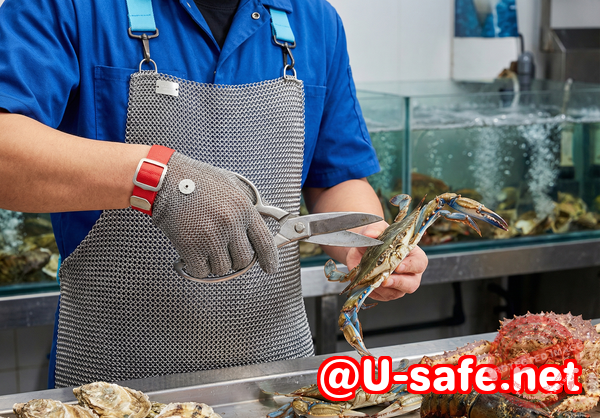
But what happens when the chainmail you buy turns out to be flimsy, uncomfortable, or even unsafe? As a buyer, collector, or professional, how can you make sure that your purchase is worth the money? These are questions I hear all the time, and I’ve found that the best way to avoid these mistakes is through knowledge. Let’s break down how you can evaluate chainmail’s comfort and wearability, ensuring that every purchase is a sound investment.
Common Problems When Evaluating Chainmail Quality
It’s not always easy to spot low-quality chainmail, especially with the variety of options on the market today. Here are some of the most common pain points buyers encounter when inspecting chainmail:
-
Welded vs. Open Rings: The first question to ask yourself is whether the chainmail is made from welded rings or open rings. Open rings are usually more affordable but significantly less durable. They might look like the real deal at first glance, but over time, they can unravel, especially under pressure or after regular use.
-
Stainless Steel Grades: Not all stainless steel is created equal. You might come across chainmail made from 304 stainless steel, which is prone to corrosion, especially in wet or high-moisture environments. On the other hand, 316 stainless steel, while a bit pricier, is more corrosion-resistant and ideal for situations like food handling or industrial protection.
-
Weak Weaves: Another common mistake buyers make is not checking the weave pattern. European 4-in-1 is a classic weave that ensures both strength and flexibility. If the weave is inconsistent or too loose, it could compromise the durability of the chainmail. This can lead to uncomfortable wear, as it may not sit properly or might break under stress.
How to Inspect and Verify Chainmail Quality
When it comes to ensuring that the chainmail you’re buying is durable and wearable, there are a few key things to check for. I’ll walk you through these methods so you can make an informed decision before purchasing your next set of chainmail.
1. Material Type: 304 vs 316 Stainless Steel
The grade of stainless steel used in chainmail affects both its durability and wearability. 304 stainless steel is the most common, but it’s less resistant to corrosion, particularly in humid environments. If you’re going to be using your chainmail for work in wet conditions or around food, opt for 316 stainless steel. It offers superior resistance to corrosion and will last much longer in challenging environments.
Tip: Look for product details and confirm whether the steel is 304 or 316 before buying. It’s usually mentioned in the product description.
2. Ring Welding and Wire Thickness
A crucial aspect of chainmail quality is the way the rings are made. Welded rings provide a much stronger hold and will resist unraveling over time. Open rings, on the other hand, might look similar, but they don’t provide the same level of strength and can come undone with relatively little force.
Next, consider the wire thickness. Thicker wire means stronger, more durable chainmail. If you’re going for a piece that will see heavy use, like industrial or cut-resistant chainmail, thicker wire will provide the strength you need.
How to Inspect:
-
Check the ring’s edges. A welded ring will have a seamless join, while an open ring will have a visible gap.
-
Gently tug on a section of the chainmail to test the sturdiness. If any rings shift or come loose easily, it’s a sign of poor craftsmanship.
3. Weave Pattern and Flexibility
The weave of the chainmail determines its overall strength and comfort. European 4-in-1 is one of the most widely used weave patterns, known for its strength and versatility. In this pattern, each ring is passed through four others, making it strong but flexible.
Tip: Look for a uniform, tight weave. Loose rings or inconsistent patterns are a sign of poor-quality chainmail that won’t last as long.
4. Corrosion Resistance
Especially in environments where chainmail is exposed to moisture, such as food processing or outdoor activities, corrosion is a major concern. Corrosion can make the chainmail brittle and uncomfortable to wear. When inspecting a piece, check for any signs of rust or dullness, as these could indicate that the material is not as high-quality as it should be.
Tip: If the chainmail is shiny and polished, it’s a good sign that it’s made with quality stainless steel, such as 316. If it looks dull or has rust marks, you might want to reconsider your purchase.
5. Comfort and Wearability
Chainmail can be surprisingly comfortable if made well, but poorly made chainmail can cause discomfort. Look for pieces that are properly sized and designed to conform to your body. When testing wearability, pay attention to the following:
-
Weight: A good chainmail will balance weight well. Too heavy, and it will be uncomfortable to wear for long periods. Too light, and it may not offer the durability or protection you need.
-
Flexibility: The chainmail should move with your body, not restrict your movements.
Benefits of Proper Chainmail Inspection
Properly inspecting chainmail before buying it offers several key benefits:
-
Safety: If you’re purchasing chainmail for protective use, whether industrial or personal, ensuring that it’s made of quality materials will help avoid safety risks. Low-quality chainmail may not provide the level of protection you need.
-
Durability: By checking for welded rings and corrosion resistance, you ensure that your chainmail will last. This is especially important for industrial or food-related applications, where wear and tear are inevitable.
-
Cost Savings: Buying high-quality chainmail initially will save you money in the long run. You won’t have to replace worn-out pieces or deal with the disappointment of a product that doesn’t live up to expectations.
Conclusion
When evaluating chainmail for comfort, wearability, and durability, always take the time to inspect its materials, construction, and overall quality. Whether you need chainmail for industrial protection, food handling, cosplay, or historical replicas, these simple steps will help you make a smart, informed purchase. I highly recommend following these guidelines to ensure that any chainmail purchase you make meets the necessary safety and durability standards.
If you want to learn more about identifying high-quality chainmail products, I encourage you to check out our detailed chainmail inspection guide today: Learn more about high-quality chainmail products.
FAQ
1. How can I tell if a chainmail ring is welded or open?
Look for a visible seam. Welded rings have a smooth, continuous finish, while open rings have a gap where they were closed.
2. Which stainless steel grade is best for long-lasting chainmail?
316 stainless steel is more corrosion-resistant than 304 stainless steel, making it ideal for environments where moisture is present.
3. How do I inspect the weave pattern for strength?
Check if the weave is tight and uniform. European 4-in-1 is a classic, strong weave pattern, ensuring flexibility and durability.
4. What are the signs of low-quality or unsafe chainmail?
Look for signs of corrosion, rust, loose rings, and irregular weaving. These issues indicate poor craftsmanship and compromised safety.
5. Can decorative chainmail be used for protective purposes?
Decorative chainmail is typically lighter and less durable. If you need protection, make sure the chainmail is designed for strength and made from welded rings.
6. How do I choose the right chainmail for industrial vs cosplay use?
For industrial use, prioritize durability, corrosion resistance (preferably 316 stainless steel), and thick wire. For cosplay, aesthetic appeal and comfort are key, but ensure the chainmail is still of decent quality.
7. How can I make sure my chainmail is comfortable to wear?
Check for a balanced weight, flexibility, and proper sizing. Poorly made chainmail can be heavy and restrictive, which can lead to discomfort.




 한국어
한국어  Русский
  Deutsch
  العربية