


Evaluating Ring Mesh vs Chainmail for Tactical Gear
Evaluating Ring Mesh vs Chainmail for Tactical Gear
When it comes to tactical gear, the difference between a quality product and a poor one can mean the difference between safety and injury. Whether you’re gearing up for a cosplay event, industrial work, or even food handling, understanding how to evaluate chainmail is essential. So, how do you tell if your chainmail is the real deal or just a decorative imitation?
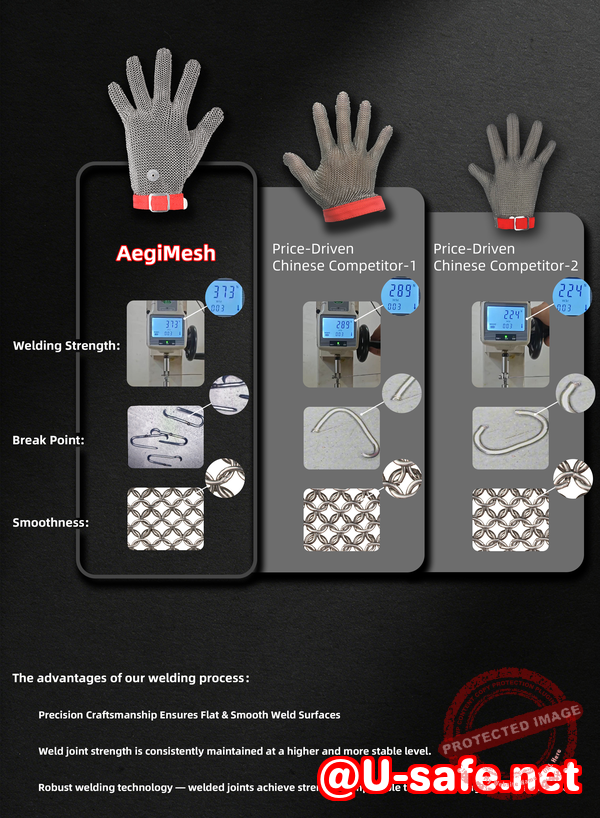
Many buyers face the challenge of distinguishing genuine, high-quality chainmail from flimsy, unsafe alternatives. I’ve been therespending money on what seemed like a durable product only to find it’s too weak, uncomfortable, or worse, unsafe for the intended use. But don’t worry; it’s not as complicated as it may seem. Let’s break down how to evaluate chainmail and ensure your investment is worth it.
The Problem: Struggling to Identify Quality Chainmail
If you’ve ever shopped for chainmail, you know the frustration. You’re bombarded with different weave patterns, material options, and price points, but how can you tell if it’s actually going to hold up to the demands of your job, hobby, or event? It’s not always obvious, and that’s a real concernespecially when you’re dealing with items that could impact your safety or ruin your experience.
I’ve seen firsthand how easy it is to get caught up in the excitement of finding what looks like the perfect product only to be disappointed later. Some chainmail might be “cut-resistant” in name, but when you look closer, it’s flimsy or full of weak links. Or maybe it’s advertised as “historical” but falls short in quality.
It doesn’t have to be this way. There are simple steps you can take to evaluate the quality of chainmail, whether you’re buying for protection, cosplay, or historical accuracy. Let’s dive into what you should look for to ensure you’re investing in the right gear.
The Solution: How to Evaluate High-Quality Chainmail
The first thing to understand is that not all chainmail is created equal. There are several factors that determine the durability, strength, and overall quality of a chainmail product. Here’s a rundown of what you should focus on:
1. The Material: Stainless Steel Grades Matter
The foundation of any chainmail product lies in the material used to make it. The best chainmail is often made from stainless steel, but not all stainless steel is the same. Two common grades you’ll encounter are 304 and 316 stainless steel.
-
304 Stainless Steel: This is the more affordable option and works well for decorative purposes or light use. However, it is more prone to corrosion, especially in harsh environments.
-
316 Stainless Steel: Known for its superior corrosion resistance, 316 stainless steel is the go-to choice for industrial use, food processing, and anywhere chainmail will be exposed to moisture or extreme conditions.
If you’re buying chainmail for industrial protection or food handling, I highly recommend looking for products made from 316 stainless steel. It’s stronger, more durable, and will save you from corrosion issues down the line.
2. Welded Rings vs. Open Rings: A Crucial Distinction
One of the biggest red flags I’ve encountered when buying chainmail is a product with open rings instead of welded rings. This can seriously compromise the strength and longevity of your chainmail.
-
Welded Rings: The rings are permanently sealed shut, making them less likely to come apart under stress. This is the gold standard when it comes to durability.
-
Open Rings: These are not welded, which means they’re more prone to separating or becoming weak over time.
For tactical use or cut-resistant applications, you must choose welded rings. They are far superior in terms of strength, and they won’t fall apart when you need them most.
3. Wire Thickness & Inner Diameter
The wire thickness and inner diameter of the rings play a significant role in the overall strength of the chainmail. Thicker wires and appropriately sized rings create a more durable weave, which is essential for both protection and longevity.
-
Thicker Wire: Provides better protection, especially against cutting or abrasion. If you’re using the chainmail in a high-risk environment (like food handling or tactical gear), look for thicker wire.
-
Ring Diameter: The inner diameter of the rings should match the standard for the weave pattern. If the rings are too small or too large, the weave may not offer the right level of protection.
For industrial uses, the wire thickness and inner diameter should be carefully examined to ensure that it meets your specific needs. Don’t skip this stepit can be the difference between a reliable product and one that fails prematurely.
4. Weave Patterns: What’s Stronger, European 4-in-1 or Something Else?
The weave pattern is one of the first things you’ll notice when looking at a piece of chainmail. Among the most popular and strongest patterns is European 4-in-1. In this pattern, each ring is connected to four others, creating a tight and durable weave. This is ideal for tactical gear, cut-resistant chainmail, or cosplay where strength is important.
When inspecting the weave, check the following:
-
Consistency: Ensure that all rings are tightly connected and that there are no gaps or loose areas. Any weak points can compromise the entire structure.
-
Tightness: The weave should be firm, but not too tight. An overly tight weave can limit flexibility, which is essential for comfort, especially in cosplay.
If you’re unsure about the weave pattern, don’t hesitate to ask the seller for more details or even photos of the weave. The European 4-in-1 is a great benchmark, and anything less than that might be a sign of subpar craftsmanship.
How to Perform a Simple Pull Test
One of the best ways to evaluate the strength of chainmail is by performing a pull test. This is especially important when you’re unsure whether the product will hold up under pressure.
Here’s how to do it:
-
Grip the Rings: Grab a section of the chainmail firmly and try pulling the rings apart.
-
Look for Weaknesses: If any rings separate or if the weave starts to distort, it’s a clear sign that the chainmail isn’t made from high-quality materials or craftsmanship.
-
Check for Flexibility: The chainmail should still flex naturally even after the pull test, which ensures comfort during use.
If the chainmail survives the test without significant distortion or separation, you’re likely dealing with a high-quality product.
Signs of Low-Quality Chainmail
When shopping for chainmail, always watch out for these red flags:
-
Visible Rust or Corrosion: Even minor rust spots can indicate poor-quality material or improper treatment.
-
Loose Rings: If the rings can be moved around or separated easily, you may have a weak weave on your hands.
-
Inconsistent Weave: A poorly constructed weave is an obvious sign of substandard craftsmanship. If rings don’t line up neatly or there are gaps in the weave, it’s a major warning.
Choosing the Right Chainmail for Your Use
Choosing the right type of chainmail depends on your specific needs:
-
Industrial Use: Go for 316 stainless steel with a tight, consistent European 4-in-1 weave and thicker rings.
-
Cosplay or Historical Reenactment: A lighter 304 stainless steel weave with thinner rings might be suitable for display, but make sure it still holds up to wear.
-
Food Handling: Stainless steel with a welded ring design and 316 stainless steel is crucial for hygiene and durability.
Conclusion: Your Guide to Safe, Durable Chainmail
As I mentioned earlier, evaluating chainmail doesn’t have to be difficult. By keeping an eye on key features like the material, ring type, wire thickness, and weave pattern, you can easily distinguish high-quality chainmail from poor imitations. Whether you need chainmail for tactical gear, cosplay, historical replicas, or industrial use, these steps will help you make an informed decision and avoid unsafe or subpar products.
I highly recommend following these tips before your next chainmail purchase. It’ll save you time, money, and potentially some disappointment. And if you’re still unsure, check out our detailed chainmail inspection guide at Aegimesh.com.
Perguntas frequentes
1. How can I tell if a chainmail ring is welded or open?
Look for signs of visible welding on the rings. Welded rings have a solid seal, while open rings will have a noticeable gap.
2. Which stainless steel grade is best for long-lasting chainmail?
For the most durable and corrosion-resistant chainmail, 316 stainless steel is the best option, especially for industrial and food-handling applications.
3. How do I inspect the weave pattern for strength?
Check that each ring is tightly connected to four others (European 4-in-1 pattern) and ensure no loose rings or gaps in the weave.
4. What are the signs of low-quality or unsafe chainmail?
Look for loose rings, visible rust, inconsistent weave, or weak welds.
5. Can decorative chainmail be used for protective purposes?
While decorative chainmail may look good, it often lacks the strength and durability needed for protective use. Always check the material and ring construction.
6. How do I choose the right chainmail for industrial vs cosplay use?
For industrial applications, look for 316 stainless steel, **w
Explore Aegimesh Chainmail Software at: https://www.aegimesh.com/




 한국어
한국어  Русский
  Deutsch
  العربية