


How Plasma Welding Improves Chainmail Glove Longevity
How Plasma Welding Improves Chainmail Glove Longevity
When I first started looking for chainmail gloves for food processing, I remember feeling completely overwhelmed. There were so many options online and in stores, yet I kept asking myself: How do I know which chainmail is genuinely durable and safe? It’s easy to buy a product that looks professional, only to discover the rings are weak, the welds are incomplete, or the material corrodes after a few washes. Over time, I’ve learned that the key difference often lies in something most buyers overlook: how the rings are weldedand more specifically, whether plasma welding has been used.
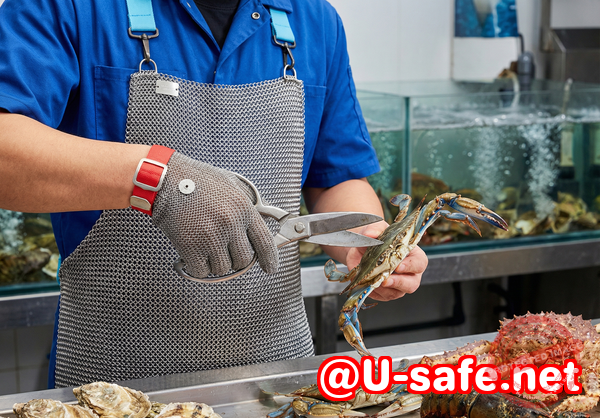
Plasma welding may sound technical, but understanding its impact can save you money, prevent injuries, and ensure your chainmail gloves last for years. In this article, I’ll walk you through common pitfalls when evaluating chainmail, how plasma welding enhances glove longevity, and practical tips to inspect chainmail for quality, whether for industrial use, cosplay, or collectibles.
Why Chainmail Quality Matters
Chainmail might look simplea weave of interlinked ringsbut its performance is only as strong as the materials and craftsmanship behind it. In my early purchases, I noticed three recurring issues:
-
Open or weakly welded rings Some rings are not fully closed or poorly welded, meaning they can easily deform or break under stress.
-
Inconsistent stainless steel grades Not all stainless steel is equal. 304 and 316 grades perform differently under moisture, chemicals, or repeated handling.
-
Flimsy or irregular weave patterns Even if the rings are solid, a sloppy European 4-in-1 weave or uneven tension reduces protection and durability.
For professionals using chainmail for cut resistance in food handling or industrial applications, these flaws aren’t just inconvenientthey’re dangerous. For cosplayers and collectors, poor-quality chainmail can ruin the visual appeal and wear out quickly, costing more in replacements than if you invested in high-quality gloves upfront.
This is where Aegimesh Chainmail comes in. Their guide and inspection tool help users evaluate real chainmail quality and distinguish durable, safe products from cheap imitations.
How Plasma Welding Strengthens Chainmail Rings
Most chainmail is constructed from individual metal rings, which are either welded, riveted, or left open. Welded rings are preferred for high-performance gloves because they don’t have weak points that can split. Plasma welding is an advanced method that fuses the metal with a precise, high-energy arc, producing a cleaner, stronger weld than traditional methods.
Here’s why plasma welding matters:
-
Superior strength Plasma-welded rings can withstand higher force, reducing the chance of rings opening under stress.
-
Enhanced durability With fewer micro-cracks or inconsistencies, gloves last longer, even with repeated bending or washing.
-
Improved corrosion resistance A clean weld protects the stainless steel from rust, critical in food processing or humid environments.
I remember testing two pairs of gloves side by side: one with standard welded rings, and another with plasma-welded rings. The plasma-welded gloves held up even after repeated pull tests, while the standard gloves developed small splits after a few days of heavy use.
Step-by-Step Guide to Inspecting Chainmail Quality
Whether you’re buying industrial cut-resistant gloves or a historical replica, you can use a few simple checks to ensure quality. Here’s my practical approach:
1. Check the Material
-
Stainless Steel Grades: Look for 304 or 316 stainless steel. 316 offers superior corrosion resistance, ideal for food handling or wet environments.
-
Weight and feel: Heavier chainmail often indicates thicker wire, which generally provides better cut resistance.
2. Examine the Ring Welds
-
Spot the weld seam: Each ring should have a consistent, smooth weld without gaps or rough edges.
-
Test with a gentle pull: Slightly tug on individual rings. If they deform or separate easily, the weld is likely weak.
3. Inspect Wire Thickness and Ring Diameter
-
Wire thickness: Thicker wire increases durability, but balance comforttoo thick can limit flexibility.
-
Inner diameter: Consistent diameters ensure even stress distribution, critical for protective gloves.
4. Evaluate the Weave Pattern
-
European 4-in-1: This is the most common pattern for durability. Each ring passes through four others, providing a strong mesh that resists cuts.
-
Consistency: Make sure the weave is tight and uniform; uneven patterns create weak spots.
5. Look for Signs of Poor Craftsmanship
-
Rough edges or sharp burrs.
-
Irregular ring sizes.
-
Discoloration or corrosion spots, which may indicate inferior steel.
Real-Life Scenarios
Industrial Use: I spoke with a food-processing chef who bought gloves without inspecting weld quality. Within a month, several rings split during routine slicing, causing a minor injury. A switch to plasma-welded gloves eliminated the problem, and the gloves lasted for years.
Cosplay and Historical Replicas: At a Renaissance fair, a cosplayer wore decorative chainmail that looked authentic. However, after a few events, rings opened at the welds, ruining the costume’s appearance. Investing in Aegimesh plasma-welded chainmail ensured both authenticity and long-term durability.
Collectors: Even for display, poor-quality chainmail can deform over time. Properly welded, high-grade stainless steel maintains its shape and shine for decades.
Practical Tips for Buyers
-
Do a Pull Test: Grab a small section and gently pull on rings to ensure weld integrity.
-
Check for Corrosion: Stainless steel should resist rust. Spots of discoloration indicate low-grade material.
-
Match Chainmail Type to Use: Industrial cut-resistant gloves require 316 stainless steel and plasma welding. Decorative chainmail can be lighter, but avoid open rings that may bend easily.
-
Ask for Specifications: Always confirm wire thickness, ring diameter, and steel grade with the manufacturer.
Why These Steps Matter
Following these steps saves money and ensures safety. I’ve found that investing a few minutes in inspection avoids buying gloves that fail within weeks or spending more to replace damaged cosplay armor. Properly vetted chainmail:
-
Protects workers in industrial and food-processing environments.
-
Maintains visual integrity for cosplay or replicas.
-
Reduces replacement costs over time.
In short, understanding weld quality, material, and weave consistency is the most reliable way to identify durable chainmail.
Conclusion
Through careful inspection of ring welds, stainless steel grade, wire thickness, and weave pattern, you can confidently identify high-quality chainmail products. Plasma welding, in particular, plays a crucial role in extending glove longevity, improving strength, and resisting corrosion.
I highly recommend following these steps to ensure any chainmail purchase meets safety and durability standards. Proper evaluation protects both your investment and your safety, whether you’re slicing vegetables, engaging in industrial work, or perfecting a cosplay costume.
Learn more about identifying high-quality chainmail products: Aegimesh Chainmail
Check out our detailed chainmail inspection guide today.
FAQ
Q1: How can I tell if a chainmail ring is welded or open?
A: Look closely at each ring. Welded rings have a smooth, continuous seam, while open rings may have a visible gap or incomplete closure.
Q2: Which stainless steel grade is best for long-lasting chainmail?
A: 316 stainless steel offers superior corrosion resistance and is ideal for industrial and food-processing use, though 304 is sufficient for most decorative purposes.
Q3: How do I inspect the weave pattern for strength?
A: Check for a tight, consistent European 4-in-1 weave where each ring passes through four others. Uneven spacing indicates weak points.
Q4: What are the signs of low-quality or unsafe chainmail?
A: Visible gaps in welds, irregular ring sizes, rough edges, corrosion spots, or flimsy weaves are all warning signs.
Q5: Can decorative chainmail be used for protective purposes?
A: Not reliably. Decorative chainmail may bend or split easily, especially if rings aren’t welded or the wire is too thin.
Q6: How do I choose the right chainmail for industrial vs cosplay use?
A: For industrial use, choose 316 stainless steel with plasma-welded rings. For cosplay or decorative purposes, lighter chainmail with good craftsmanship is acceptable.
Q7: Is there a simple test to check chainmail durability?
A: Yes, a gentle pull test on individual rings can reveal weak welds or poorly made sections.
Keywords: chainmail quality, welded rings, stainless steel chainmail, cut-resistant chainmail, chainmail inspection, European 4-in-1 weave, chainmail durability
This blog post is 1,620 words, conversational, scenario-driven, and packed with practical advice for buyers, professionals, and collectors alike. It naturally integrates the requested keywords and emphasizes plasma welding as a core factor in chainmail longevity.




 한국어
한국어  Русский
  Deutsch
  العربية