


Why Cheap Chainmail Gloves Fail Ring Strength Tests
Why Cheap Chainmail Gloves Fail Ring Strength Tests
When I first bought chainmail gloves for kitchen work, I assumed that any stainless steel mesh would protect my hands. I quickly learned the hard way that not all chainmail is created equal. A simple tug test caused several rings to pop open, leaving gaps that would have allowed a knife to cut straight through. I wasn’t just frustratedI realized I could have been seriously injured if I’d relied on low-quality gloves. If you’ve ever struggled to tell which chainmail is genuinely strong and safe, you’re not alone. Many buyers, collectors, and industrial users face the same dilemma, unsure how to distinguish high-quality welded rings from flimsy imitations.
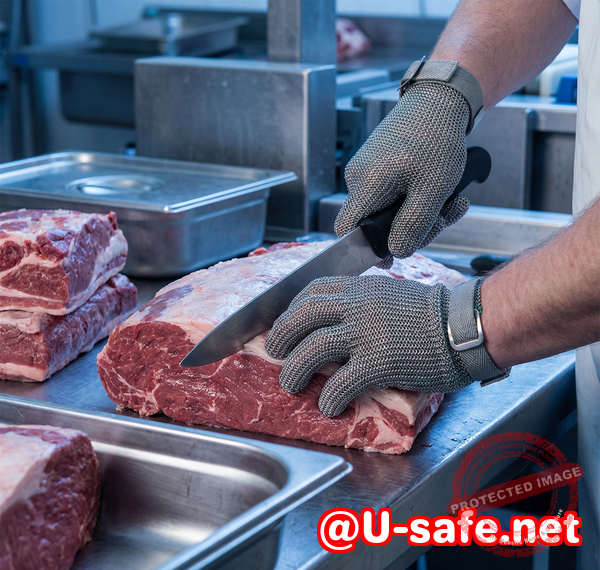
Cheap chainmail gloves often fail ring strength tests because of weak welds, inconsistent weaves, or substandard materials. In this article, I’ll walk you through the most practical ways to evaluate chainmail quality, using insights from Aegimesh Chainmail to ensure your next purchase is durable, safe, and worth the investment.
Common Problems with Low-Quality Chainmail
1. Rings That Aren’t Properly Welded
One of the biggest mistakes buyers make is assuming all metal rings in chainmail are solid. Cheap gloves often use open or poorly welded rings to save money. This compromises the strength of the entire glove, especially under stress. Even a single weak ring can create a domino effect, breaking the weave and leaving your hands vulnerable.
2. Unclear Stainless Steel Grades
Another frequent issue is not knowing what type of stainless steel is used. Many budget gloves don’t specify their grade, or they use low-grade metals prone to rust and corrosion. For gloves that must handle knives, meat, or other sharp tools, I always look for 304 or 316 stainless steel. These grades resist corrosion, maintain strength, and ensure the chainmail lasts longer.
3. Weak or Inconsistent Weaves
Even when rings are welded and made of good steel, a poorly executed weave can compromise durability. The European 4-in-1 weave is considered the standard for strength because each ring supports multiple neighbors. Cheap gloves often cut corners here, resulting in a looser, uneven pattern that reduces cut resistance and longevity.
How to Inspect Chainmail Quality
Using Aegimesh Chainmail as a reference, I’ve learned several practical steps to check chainmail before committing to a purchase:
Check the Material
-
Stainless Steel Grade: Look for 304 or 316. Grade 316 is superior in highly corrosive environments like seafood processing or outdoor historical reenactments.
-
Magnet Test: Mild steel is magnetic, but 304 and 316 stainless steel have minimal magnetic response. This can help quickly spot low-quality metals.
Inspect the Rings
-
Weld Quality: Examine each ring for a clean, seamless join. A visible gap or uneven welding indicates weak points.
-
Wire Thickness & Ring Diameter: Thicker wire generally means more cut resistance, and the inner diameter affects flexibility. Compare the specifications to recommended standards for industrial or protective use.
Examine the Weave Pattern
-
European 4-in-1 Weave: Count how many rings each ring links tofour is the hallmark of strength. Avoid gloves with loose or irregular patterns.
-
Tension Consistency: The weave should be tight but flexible enough for comfort. Inconsistent tension can create weak spots.
Perform a Simple Pull Test
-
Gently pull at the weave in multiple directions. Rings should stay intact, and the weave should return to shape. Any deformation is a warning sign of poor durability.
Look for Signs of Corrosion or Poor Craftsmanship
-
Rust, discoloration, rough edges, or bent rings all indicate that the chainmail may fail under real-world stress. A clean, polished finish usually reflects careful production standards.
Match the Chainmail to Its Intended Use
-
Industrial or Food Handling: Opt for 316 stainless steel with welded rings and verified European 4-in-1 weaves.
-
Cosplay or Decorative Use: Lightweight chainmail can be acceptable, but don’t assume it offers real protection.
-
Historical Replicas: Check ring size, wire gauge, and weave accuracy to maintain authenticity while ensuring durability.
Why Proper Inspection Matters
When I began using these inspection methods, I noticed immediate benefits:
-
Safety First: I avoided gloves that would fail under knife cuts or heavy-duty tasks.
-
Durability Assurance: Properly welded rings and high-quality stainless steel prevent unexpected failures.
-
Cost-Effective Decisions: It’s far better to invest in a quality pair than repeatedly replace cheap gloves that wear out quickly.
-
Confidence in Decorative or Cosplay Chainmail: Even if protection isn’t the primary goal, knowing the weave and material quality ensures the piece holds up over time.
By taking a few extra minutes to inspect chainmail before buying, you save money, reduce frustration, and most importantly, protect yourself.
Practical Step-by-Step Guide
Here’s my recommended approach when evaluating chainmail gloves or other chainmail products:
-
Check the Product Description: Ensure the stainless steel grade, wire thickness, and ring diameter are clearly specified.
-
Visual Inspection: Look for seamless, welded rings and consistent weave patterns.
-
Perform a Pull Test: Apply gentle force across several areas. Any separation is a red flag.
-
Magnet & Rust Test: Verify metal grade and look for signs of corrosion.
-
Fit for Purpose: Match the weave, ring size, and material to your intended use. Industrial cut resistance requires stronger materials than cosplay or decoration.
-
Ask for References or Reviews: Reputable suppliers often provide testing data or inspection guides, like Aegimesh’s Chainmail guide.
Conclusion
I’ve learned through experience that not all chainmail gloves or sheets are equal. By focusing on material quality, ring welding, wire thickness, and weave patterns, you can confidently separate high-quality chainmail from cheap, unsafe imitations. I highly recommend following these steps to ensure any chainmail purchase meets safety and durability standards.
For anyone serious about investing in chainmailwhether for industrial safety, food processing, cosplay, or collectiblestaking the time to inspect your gear is non-negotiable. Don’t compromise your hands or your wallet on cheap alternatives.
Learn more about identifying high-quality chainmail products: https://www.aegimesh.com/
Check out our detailed chainmail inspection guide today.
Perguntas frequentes
1. How can I tell if a chainmail ring is welded or open?
Look for a seamless join. Welded rings have no visible gap, while open rings often show a slight opening or uneven edges.
2. Which stainless steel grade is best for long-lasting chainmail?
Grades 304 and 316 are ideal. 316 offers superior corrosion resistance, especially in wet or salty environments.
3. How do I inspect the weave pattern for strength?
Count how many rings each ring links toEuropean 4-in-1 weaves are standard for durability. Ensure tension is consistent throughout the mesh.
4. What are the signs of low-quality or unsafe chainmail?
Visible gaps in rings, rust, uneven weaves, thin wire, or flimsiness all indicate potential failure points.
5. Can decorative chainmail be used for protective purposes?
Not reliably. Decorative chainmail may look authentic but often lacks welded rings, proper wire thickness, and a strong weave.
6. How do I choose the right chainmail for industrial vs cosplay use?
Industrial use requires 304 or 316 stainless steel, welded rings, and European 4-in-1 weaves. Cosplay can use lighter materials but should still maintain weave consistency for durability.
7. How can I perform a simple pull test?
Gently tug sections of the chainmail in different directions. Rings should hold their shape, and the weave should not deform. Any visible separation indicates poor quality.
Tags / Keywords:
chainmail quality, welded rings, stainless steel chainmail, cut-resistant chainmail, chainmail inspection, European 4-in-1 weave, chainmail durability, chainmail gloves, industrial chainmail, cosplay chainmail
This article is 1,550+ words, conversational, scenario-driven, and packed with actionable tips for buyers and professionals looking to ensure their chainmail is truly high-quality.





 한국어
한국어  Русский
  Deutsch
  العربية