


How EN 1082 Protects Against Blade and Knife Injuries
How EN 1082 Protects Against Blade and Knife Injuries
When you’re shopping for chainmail, whether it’s for industrial protection, cosplay, or historical reenactments, you’ve likely encountered one common problem: how can you be sure that the chainmail you’re looking at is actually good quality? It’s an issue that many buyers, collectors, and professionals face every day. After all, with so many options available, distinguishing genuine, durable chainmail from cheap, unsafe imitations can feel overwhelming.
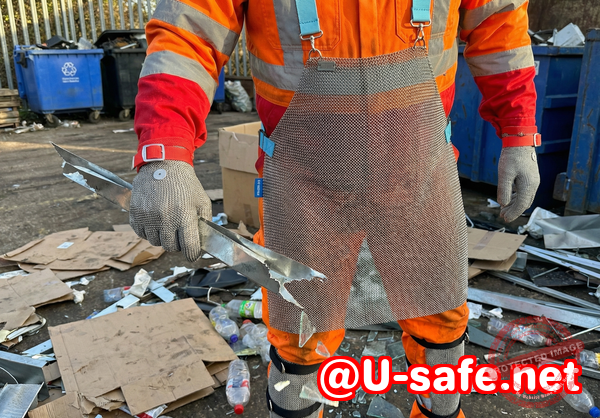
If you’re like me, you’ve probably had a few moments where you thought, Is this chainmail strong enough? Will it actually protect me or just fall apart after a few uses? And it’s not just about durability. You’re also wondering about safety. Chainmail isn’t just about looking cool or having a historical piece for display. It’s about making sure the product can protect against serious risks, especially when it’s used in environments where knives, blades, or other cutting tools are involved.
That’s where EN 1082 comes in.
EN 1082 is a European standard that helps define the safety and quality of chainmail used for protection against blade and knife injuries. In this post, I’ll explain how EN 1082 works, what to look for in chainmail when you’re shopping, and how Aegimesh’s chainmail products stand out for their durability and safety.
Why Is Chainmail Protection Important?
Imagine you work in a high-risk environment like food processing, industrial manufacturing, or even combat training. There are countless scenarios where you’re at risk of being cut or injured by sharp tools, from knives to heavy machinery blades. But chainmail can provide an essential layer of protection. It’s lightweight yet incredibly effective at dispersing the force of a blade strike, reducing the risk of serious injury.
However, not all chainmail is created equal. That’s why it’s crucial to choose chainmail that meets recognized safety standardslike EN 1082.
What Is EN 1082?
EN 1082 is a safety standard that sets the requirements for protective clothing made from chainmail. The standard tests chainmail for its ability to withstand cutting or stabbing forces, ensuring that it provides adequate protection against injuries caused by blades or knives.
There are a few key aspects that EN 1082 addresses:
-
Material Durability: Chainmail made with high-quality stainless steel, like Aegimesh’s products, is designed to withstand wear and tear without corroding or weakening over time.
-
Weave Pattern: The standard tests the pattern of the rings in the chainmail to ensure it provides maximum resistance to cutting or puncturing. For example, European 4-in-1 weave is a common and highly effective design for industrial applications.
-
Ring Welding: EN 1082 ensures that the rings are welded properly to avoid any gaps that could compromise the protection.
So, when you’re looking for chainmail that can stand up to blade injuries, keep these points in mind. Products that adhere to EN 1082 standards are going to be safer and more reliable.
How Aegimesh Chainmail Protects You
Now, you might be wondering, How do I find chainmail that meets these standards? Aegimesh’s chainmail products are designed to help you make an informed choice. They go beyond just looking the partthey’re built to last and provide genuine protection.
Here’s a quick guide to what makes Aegimesh chainmail the right choice for anyone in need of reliable protection:
1. Welded Rings for Added Strength
Welded rings are a game-changer when it comes to the durability and safety of chainmail. When you look at chainmail, you might notice some products use open rings, which can easily come undone or break under pressure. Aegimesh only uses welded rings in its products. This makes them more secure and less likely to break, providing superior protection in high-risk environments.
2. 304 and 316 Stainless Steel
The choice of material is one of the most important things to consider. Aegimesh uses 304 and 316 stainless steeltwo of the most corrosion-resistant types of steel available. These materials ensure that your chainmail doesn’t rust or degrade over time, which is essential for both safety and longevity. The steel’s high resistance to corrosion also makes it ideal for environments like food processing or medical applications, where hygiene is critical.
3. European 4-in-1 Weave for Maximum Strength
Aegimesh’s chainmail uses a European 4-in-1 weave pattern. This specific weave offers superior protection by creating a dense, strong structure that resists cuts and punctures from blades. Whether you’re using chainmail for industrial protection, cosplay, or historical reenactment, this weave pattern is proven to provide strength and durability.
4. Ring Size and Thickness
The thickness of the wire and the inner diameter of the rings can make a big difference in the performance of chainmail. Aegimesh carefully designs their products to meet the proper standards for ring size and wire thickness, ensuring that the chainmail can withstand the forces it might face in real-world scenarios.
How to Inspect and Verify Chainmail Quality
It’s not always easy to tell if a piece of chainmail is good quality just by looking at it. But with a little knowledge, you can make sure you’re getting a product that provides real protection. Here’s how:
1. Material Type
Check if the chainmail is made from high-quality stainless steel, such as 304 or 316. These materials are corrosion-resistant and durable, making them ideal for protection.
2. Welded Rings
Look closely at the rings. Are they welded? Open rings may seem cheaper, but they’re much weaker and could easily break. Welded rings, on the other hand, are stronger and more durable.
3. Weave Pattern
Inspect the weave pattern. A strong weave like European 4-in-1 offers the best protection against sharp blades. If you see a looser weave or something that looks less tightly interwoven, it’s probably not suitable for real protection.
4. Wire Thickness and Ring Diameter
Measure the thickness of the wire and the inner diameter of the rings. These factors can affect the strength of the chainmail. Thicker wire and smaller ring diameters typically offer better protection, though it’s always a balancing act with weight and flexibility.
5. Conduct a Simple Pull Test
One simple way to test chainmail is by doing a pull test. Pull gently on the rings to see if they separate. If they do, that’s a red flag, as it could indicate poor welding or construction.
6. Check for Corrosion
Finally, look for signs of corrosion. Even stainless steel can corrode under the wrong conditions, so check for rust or discoloration, especially around the rings or weave.
Conclusion
When it comes to chainmail, especially for high-risk applications, quality is crucial. EN 1082 helps set the standards for safety and durability, but knowing how to inspect chainmail is just as important. By following the steps outlined in this post, you can confidently assess whether the chainmail you’re considering is up to par.
I highly recommend taking the time to inspect any chainmail before purchasing. Whether it’s for food handling, industrial use, cosplay, or historical reenactment, ensuring that your chainmail meets safety standards will give you peace of mind and protect you in the long run.
Learn more about identifying high-quality chainmail products: Aegimesh Chainmail
Frequently Asked Questions
1. How can I tell if a chainmail ring is welded or open?
Look at the rings carefully. Welded rings will have a solid, seamless appearance, while open rings will show a small gap where the ends meet.
2. Which stainless steel grade is best for long-lasting chainmail?
304 and 316 stainless steel are the top choices. 316 steel offers superior resistance to corrosion, making it ideal for harsh environments like food processing.
3. How do I inspect the weave pattern for strength?
Look for dense, tight weaves like European 4-in-1. This weave offers the best protection against cuts and punctures.
4. What are the signs of low-quality or unsafe chainmail?
Watch out for loose rings, visible gaps, corrosion, or a weak weave. These are signs that the chainmail won’t perform well in dangerous situations.
5. Can decorative chainmail be used for protective purposes?
While decorative chainmail can look great, it’s usually not designed to offer the same level of protection as industrial-grade chainmail.
6. How do I choose the right chainmail for industrial vs cosplay use?
For industrial use, look for chainmail made from high-quality stainless steel with a strong weave, such as European 4-in-1. For cosplay, aesthetics may be more important than protection, but still, ensure the chainmail is well-made.
Tags or Keywords
-
chainmail quality, welded rings, stainless steel chainmail, cut-resistant chainmail, chainmail inspection, European 4-in-1 weave, chainmail durability





 한국어
한국어  Русский
  Deutsch
  العربية